

A/C Compressor Replacement Guide for the 1974-1978 Mazda RX-4
Get your classic RX-4's air conditioning running cold again by choosing the right parts for the job.
- For the 1974-1978 RX-4, new aftermarket compressors are the only option; OEM parts are no longer made.
- You MUST replace the receiver/drier and flush the entire A/C system when installing a new compressor for the repair to last.
- Your car's original R-12 refrigerant system will need to be professionally converted to modern R-134a if it hasn't been already.
- There are no specific recalls or factory defects for the A/C on this car; all problems are due to age and wear.
Symptoms of a Failing A/C Compressor
When the A/C compressor in your RX-4 starts to fail, it will give you clear warning signs. Because this is a classic car, some symptoms can be confused with other issues, but these are the most common indicators that your compressor is the problem:
- Warm Air from Vents: This is the most obvious symptom. If the compressor isn't pressurizing the refrigerant, the system cannot cool the air.
- Strange Noises: Listen for clunking, grinding, or squealing noises when you turn the A/C on. These sounds often mean the internal components of the compressor are worn out or the clutch is failing.
- Leaking Fluid: The compressor has seals that can fail over time. You might see a greasy, oily film on the compressor body, which is a mix of refrigerant oil and dirt.
- Stuck Compressor Clutch: The outer part of the compressor pulley should spin freely with the engine off. The center plate only engages when the A/C is on. If this plate is always engaged, never engages, or is visibly wobbly, the clutch has failed.
Choosing a New Aftermarket Compressor
For a vehicle from the 1970s, finding a new original equipment (OEM) A/C compressor from Mazda is not a realistic option. Aftermarket manufacturers are your only choice, and they are what keep classic cars like the RX-4 on the road. The key is to choose a quality brand and, more importantly, to replace the supporting components at the same time.
Pro Tip: It's a System, Not Just a Part
A new compressor will fail quickly if installed into a contaminated system. When you replace your compressor, you must also replace the A/C Receiver/Drier (also called an accumulator). You should also flush the entire system to remove old oil and debris. This is not optional if you want the repair to last.
Available Brands: Four Seasons and Global Parts
Both Four Seasons and Global Parts Distributors (GPD) are established names in the aftermarket A/C world. For a classic car, either brand can be a good choice, provided the installation is done correctly.
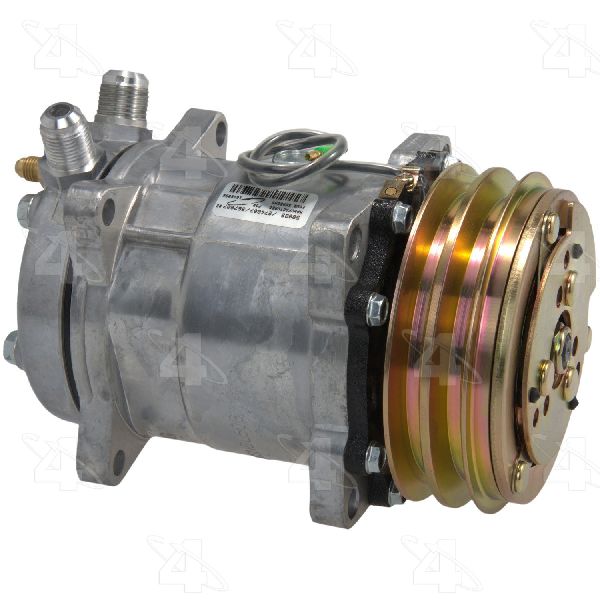
- Four Seasons: As one of the largest aftermarket suppliers, Four Seasons has a reputation for good value. Their new compressors are a popular choice, and many mechanics have used them successfully for years. However, some in online forums note that quality can be hit-or-miss, making a proper system flush and component replacement even more critical.
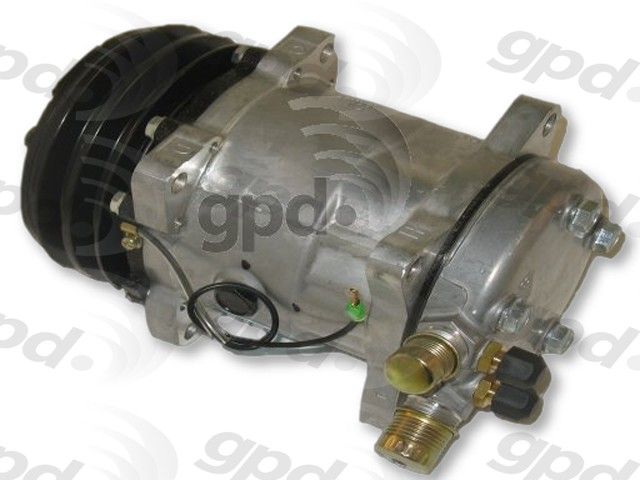
- Global Parts (GPD): GPD is another major supplier known for good fitment on a wide range of vehicles. Like other aftermarket brands, success often depends on the quality of the installation.
The Verdict: Between the two, neither has a definitive advantage for the RX-4. Success depends less on the brand and more on a meticulous installation. Choose the part that comes with a better warranty and is confirmed to fit your specific year and engine.
Important: R-12 vs. R-134a Refrigerant
Your 1974-1978 Mazda RX-4 originally used R-12 refrigerant, which is no longer available to the public. If your system has not been converted, you will need to have it professionally converted to the modern R-134a standard. This involves more than just changing the gas; it requires different system oil and new service port fittings. The new compressor you buy is designed to be compatible with R-134a and its corresponding oil.
Known Issues, Recalls, or TSBs
There are no recalls or Technical Service Bulletins (TSBs) from Mazda or the NHTSA related to the A/C compressor for the 1974-1978 Mazda RX-4. Any failures are due to the normal wear and aging of parts over nearly 50 years.
Cost to Replace the A/C Compressor
| Part/Service | Estimated Cost |
|---|---|
| New Aftermarket A/C Compressor | $159.93 - $285.39 |
| Shop Labor & System Recharge | $300 - $500 |
Frequently Asked Questions (FAQ)
Do I have to replace anything else with the compressor?
Yes. At a minimum, you must replace the receiver/drier and the orifice tube (if equipped). You should also flush the system and replace all rubber O-rings on the lines you disconnect. Failure to do this will void the warranty on the new compressor and likely cause it to fail prematurely.
Can I do this job myself?
Replacing the compressor is mechanically straightforward for a DIYer. However, the A/C system is highly pressurized. The system must be legally and safely evacuated by a professional shop before you begin work, and vacuum-tested and recharged by a shop after you are done. Handling refrigerant requires special equipment and certification.
My new compressor came with oil. Should I add more?
Maybe. Aftermarket compressors often come with a generic amount of oil for shipping. It is best practice to pour out the oil that came in the new compressor into a measuring cup to see how much is there. Then, consult the vehicle or compressor's specifications for the total system oil capacity and add the correct amount of new PAG oil before installation.
What's the difference between a compressor and a clutch?
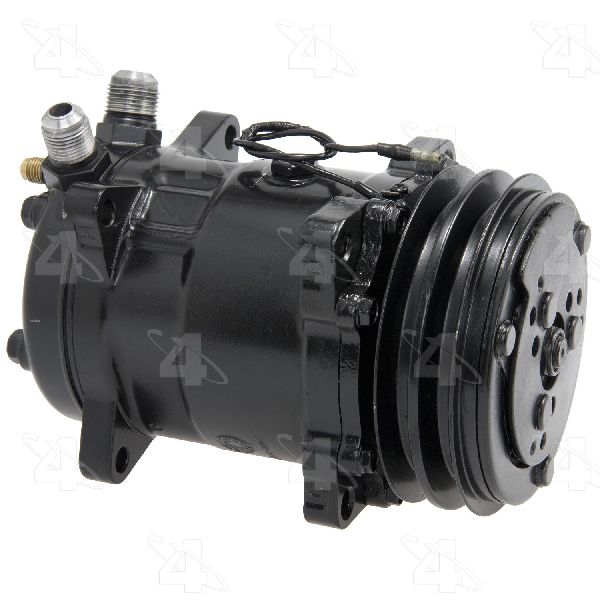
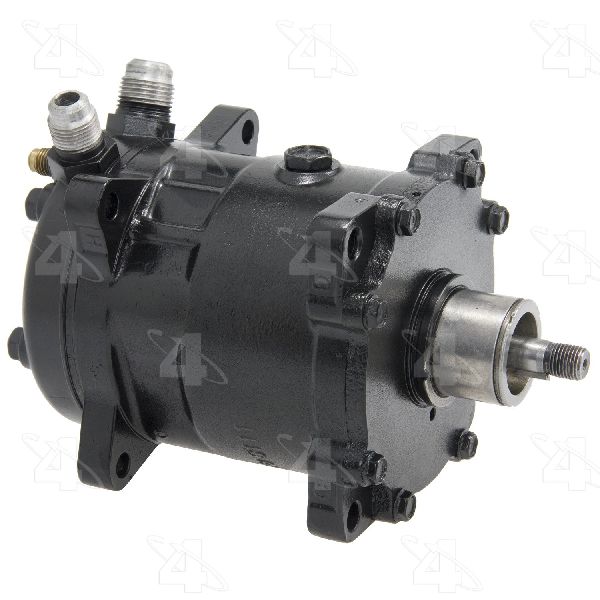
The compressor is the main body that pumps refrigerant. The clutch is an electromagnetic pulley on the front that engages and disengages the compressor from the engine belt. Sometimes only the clutch fails, but on a vehicle this old, it is almost always better to replace the entire compressor assembly.
Technical Specifications
Due to the age of the vehicle, specific OEM part numbers are not available in public databases. Verify fitment using your vehicle's year and engine information when ordering an aftermarket part. The system was originally designed for R-12 refrigerant.
We Have This Part in Stock

The information in this article is provided for general reference and educational purposes only. Vehicle specifications, procedures, and part compatibility can vary by production date, trim level, and region. Always consult your vehicle's factory service manual and verify part numbers before purchasing or performing repairs. Safety-critical components such as airbags, seat belts, and braking systems should be installed by a qualified professional.
- 🛍️ Shop This Part
- Symptoms of a Failing A/C Compressor
- Choosing a New Aftermarket Compressor
- Pro Tip: It's a System, Not Just a Part
- Available Brands: Four Seasons and Global Parts
- Important: R-12 vs. R-134a Refrigerant
- Known Issues, Recalls, or TSBs
- Cost to Replace the A/C Compressor
- Frequently Asked Questions (FAQ)
- 🎟️ Get 5% Off