

Accessory Drive Belt Guide for the 1974-1978 Mazda RX-4
Keep your classic rotary running smoothly by understanding its essential V-belts.
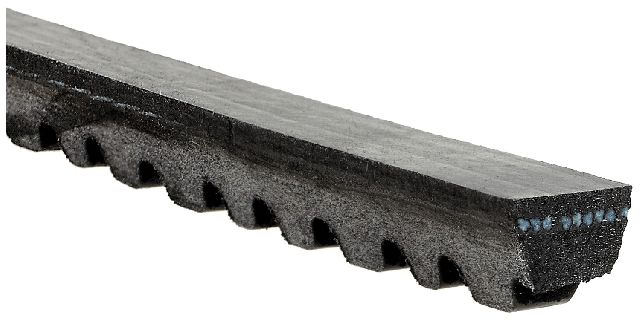
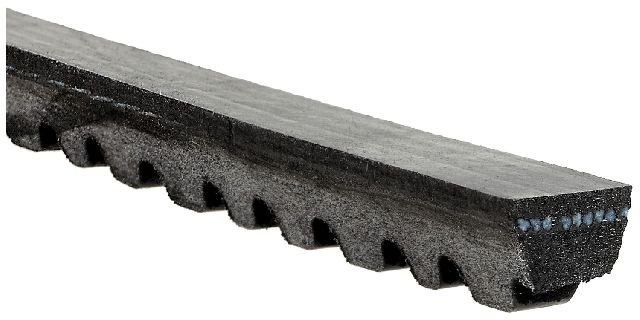
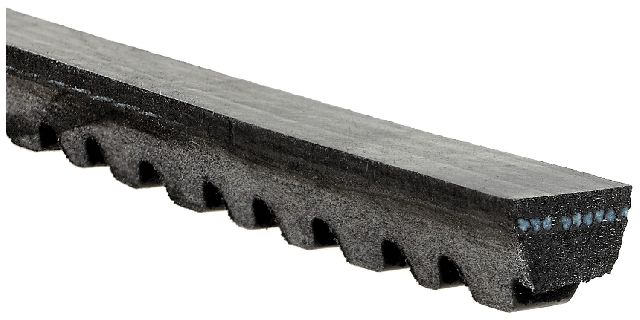
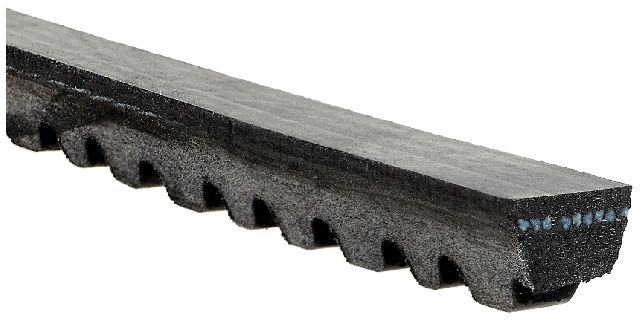
- The RX-4 uses multiple V-belts, not a single serpentine belt; inspect all of them for wear.
- Signs of failure include squealing noises, visible cracks, dim lights, and overheating.
- Aftermarket brands like Gates, Continental, and Dayco are all reliable replacements.
- Replacement is an affordable and straightforward job for a DIYer with basic tools.
Signs of a Failing Accessory Drive Belt
The accessory drive belts on your RX-4 are tough rubber parts, but they don't last forever. Heat and use wear them down. Look for these common signs that it's time for a replacement:
- Squealing Noises: A high-pitched squeal when you start the engine or turn on the A/C is a classic sign of a slipping belt. This noise happens when the belt is loose or its surface is too worn to grip the pulleys.
- Visible Wear and Damage: Look at the belts. If you see cracks, fraying, missing chunks, or a glazed, shiny surface, the belt is old and needs to be replaced.
- Electrical Issues: If your headlights are dim or the battery warning light flickers, the belt driving the alternator may be slipping. This prevents the alternator from properly charging your battery.
- Engine Overheating: The water pump is responsible for circulating coolant to keep the rotary engine at the right temperature. If the belt driving it fails, the engine can quickly overheat.
- Stiff Steering or No A/C: If your RX-4 has power steering or air conditioning, a failed belt will cause those systems to stop working.
Choosing the Right Aftermarket Belt
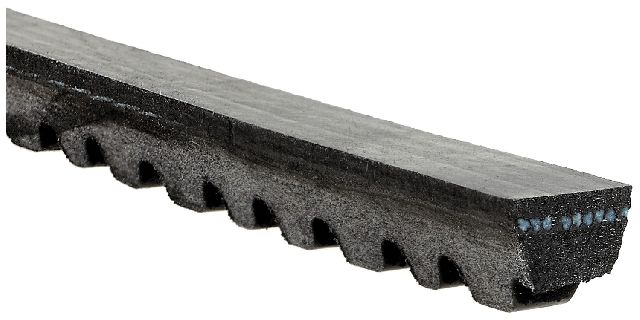
For a vintage car like the RX-4, original equipment (OEM) belts are virtually impossible to find. The good news is that modern aftermarket belts from reputable brands are made with advanced materials like EPDM rubber, which often last longer than the original 1970s parts. The three main brands available—Gates, Continental, and Dayco—are all solid choices.
Brand Tiers
- Top Tier (Gates, Continental): Gates is consistently praised in forums for its durability and is considered an OEM-quality supplier by many mechanics. Continental is another top choice, known for making original belts for many car manufacturers. You can't go wrong with either of these brands for quality and reliability.
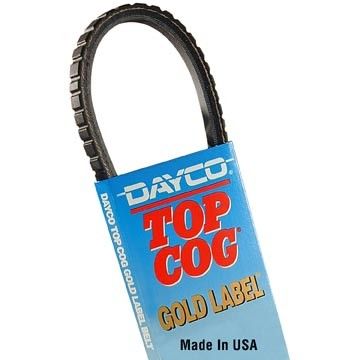
- Standard Tier (Dayco): Dayco is a well-known brand that has been making belts for over a century. While some mechanics have a preference for Gates or Continental, Dayco produces reliable belts that meet or exceed factory specifications and are a perfectly good option for your RX-4.
Pro Tip: Your RX-4 has multiple belts. It's smart to inspect all of them at the same time. If one belt is worn out, the others are likely near the end of their life too. Replacing them all at once saves you from having to do the job again in a few months.
Estimated Costs for Replacement
Replacing the accessory belts is one of the more affordable maintenance jobs for your RX-4.
| Part | Estimated Cost |
|---|---|
| New Aftermarket Belt (Single) | $7.35 - $35.90 |
| Shop Labor | $60 - $120 |
Note: Costs are estimates and can vary based on your location and the specific belts your car needs (e.g., with or without A/C). Your car may require more than one belt.
Frequently Asked Questions
How many accessory belts does my 1974-1978 RX-4 have?
Your RX-4 uses a V-belt system, which means it has multiple individual belts. The exact number depends on the options your car came with. All cars will have a belt for the alternator and water pump. If you have air conditioning or power steering, there will be additional belts for those components.
Is it difficult to replace the belts myself?
For a mechanic or experienced DIYer, this is a relatively easy job. It involves loosening the accessory (like the alternator) to create slack, removing the old belt, and installing the new one. You then need to set the correct tension. If you're not comfortable doing this, a repair shop can perform the service quickly.
Should I replace the belt tensioners at the same time?
The 1970s V-belt system on the RX-4 does not use modern spring-loaded tensioners. Tension is set manually by adjusting the position of the alternator or other accessories. Therefore, there are no tensioner pulleys to replace with the belts.
Are there any recalls for the RX-4 accessory belts?
No. Searches of the National Highway Traffic Safety Administration (NHTSA) database show no recalls or technical service bulletins (TSBs) related to the accessory drive belts for the 1974-1978 Mazda RX-4.
Technical Specifications
System Type: V-Belt (multiple belts)
We Have This Part in Stock

The information in this article is provided for general reference and educational purposes only. Vehicle specifications, procedures, and part compatibility can vary by production date, trim level, and region. Always consult your vehicle's factory service manual and verify part numbers before purchasing or performing repairs. Safety-critical components such as airbags, seat belts, and braking systems should be installed by a qualified professional.