

A Practical Guide to the 1974-1978 Mercury Capri Distributor Cap
Solve rough running and starting issues by choosing the right distributor cap for your classic Capri's ignition system.
- You MUST verify if your Capri has the 2.3L I4 or 2.8L V6 engine before ordering, as they use different caps.
- Symptoms of a bad cap include misfiring, hard starting, stalling, and visible cracks or corrosion.
- Always replace the distributor rotor at the same time as the cap for a complete ignition tune-up.
- Standard Ignition (SMP) is a recommended aftermarket brand for quality and reliability, while Walker is a budget-friendly option.
Symptoms of a Failing Distributor Cap
A distributor cap is a simple part, but it works under high voltage and heat. Over time, it can crack, or the metal contacts inside can corrode or wear out. When this happens, you'll notice problems with how your Capri runs.
- Engine Misfires or Shaking: If the spark isn't reaching a cylinder correctly, you'll feel a miss, stumble, or shaking, especially when idling or accelerating.
- Hard Starting: A cracked or corroded cap can make it difficult for the engine to start, especially in cold or damp weather. In some cases, the engine may crank but refuse to start at all.
- Stalling or Backfiring: If the cap fails suddenly, it can cause the engine to stall unexpectedly. Incorrect spark delivery can also lead to fuel igniting in the exhaust, causing a backfire.
- Visible Damage: The best way to check is to look. Remove the cap and inspect it for cracks, carbon tracks (black lines), moisture, or white or green corrosion on the metal terminals inside and out.
Critical: Check Your Engine Before Ordering
The 1974-1978 Mercury Capri was sold in North America with two different engines: a 2.3L inline-four (I4) and a 2.8L V6. These engines use different distributor caps. The V6 cap has more terminals (6) than the I4 cap (4). Ordering the wrong part is the most common mistake. Always verify which engine is in your car before purchasing a new cap.
Choosing the Right Aftermarket Distributor Cap
Original Ford (Motorcraft) distributor caps for this era are no longer in production. All available new parts are from aftermarket manufacturers. Quality can vary, but reputable brands produce reliable replacements. We've grouped the available brands into tiers based on general market reputation.
Brand Quality Tiers
Good Quality Aftermarket (Recommended): Standard Ignition (SMP)
Standard Motor Products is a well-respected name in the aftermarket with a long history. Technicians and experienced hobbyists often trust them for ignition components. Their parts are known for fitting correctly and performing reliably, sometimes even improving on the original designs. For a part you can install with confidence, SMP is a solid choice.
Standard Quality Aftermarket: Bremi
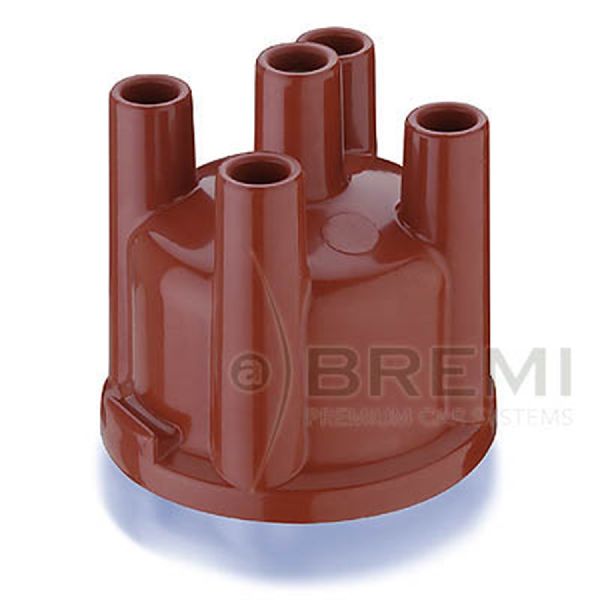
Bremi is a German company that sometimes supplies parts to European car manufacturers. Their quality is generally considered decent, but some online forums show mixed reviews, with some users experiencing shorter lifespans compared to other premium brands. It's a functional replacement that meets basic requirements.
Economy Aftermarket: Walker Products
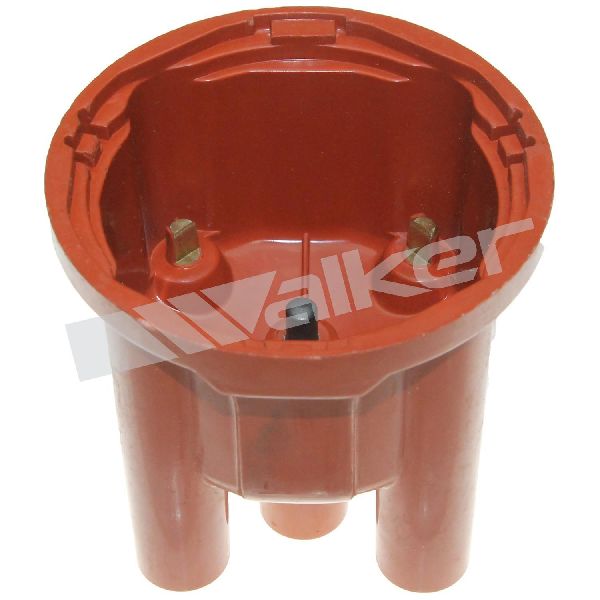
Walker is known for a wide range of aftermarket parts, often at a lower price point. While they offer a direct-fit product, forum discussions suggest that the brand is often viewed as a budget option where quality may not be the top priority. This cap will get the job done, but may not have the same durability as higher-priced alternatives.
Pro Tip: Always replace the distributor rotor when you replace the cap. The rotor is a small, inexpensive part that wears out at the same rate as the cap. Replacing both at the same time ensures a strong, reliable spark and prevents you from having to do the job twice.
Aftermarket Distributor Cap Cost for 1974-1978 Mercury Capri
| Brand Tier | Estimated Part Cost |
|---|---|
| Economy (Walker Products) | $12.13 - $20.00 |
| Standard (Bremi) | $20.00 - $35.00 |
| Good Quality (Standard Ignition) | $25.00 - $46.33 |
Note: Prices are estimates and can vary based on retailer and engine type (I4 vs. V6).
Frequently Asked Questions (FAQ)
Do I need special tools to replace the distributor cap?
No. On a 1974-1978 Capri, the distributor cap is typically held on by two metal clips or a couple of small screws. You will only need basic hand tools like a screwdriver or a small socket set. The most important part of the job is carefully transferring the spark plug wires to the new cap in the exact same order.
How often should I replace my distributor cap and rotor?
For a classic car like the Capri, there is no strict mileage interval. It's best to inspect the cap and rotor during every major tune-up or once a year. Look for cracks, corrosion, or carbon buildup. If you see any signs of wear or are experiencing symptoms, it's time for a replacement.
What's the difference between a cheap and an expensive cap?
The differences are in the materials and manufacturing quality. More expensive caps from brands like Standard Ignition often use higher-quality plastic that resists cracking and carbon tracking, along with brass terminals that resist corrosion better than the aluminum used in cheaper caps. This leads to a longer service life and more reliable performance.
Will this cap fit my Capri with the 2.3L Turbo engine?
Yes, the distributor cap for the 2.3L Turbo engine (introduced in 1979, but some early literature mentions it) is the same as the naturally aspirated 2.3L inline-four engine. However, the 1974-1978 models primarily featured the non-turbo 2.3L I4 and the 2.8L V6. Always confirm your specific engine before ordering.
Technical Specifications
The most critical specification is matching the cap to your engine. The 2.3L I4 cap has 4 spark plug wire terminals, while the 2.8L V6 cap has 6 terminals. Terminal material (brass vs. aluminum) and cap material (high-dielectric polyester) are also key quality indicators.
We Have This Part in Stock


The information in this article is provided for general reference and educational purposes only. Vehicle specifications, procedures, and part compatibility can vary by production date, trim level, and region. Always consult your vehicle's factory service manual and verify part numbers before purchasing or performing repairs. Safety-critical components such as airbags, seat belts, and braking systems should be installed by a qualified professional.