

1974-1979 Buick Riviera Automatic Transmission Mount Guide
Stop the clunking and restore the smooth ride in your classic Riviera by choosing the right transmission mount.
- A clunking noise when shifting into gear is the most common sign of a failed transmission mount on your Riviera.
- Choose a standard rubber mount (Anchor, DEA) for a stock, comfortable ride, or a polyurethane mount (Prothane) for performance and durability, but expect more vibration.
- This is a low-cost, high-impact repair that is very feasible for a DIY mechanic to complete in their garage.
- While you can drive with a bad mount, doing so puts extra stress on other parts like engine mounts and the exhaust system, so it should be replaced promptly.
Symptoms of a Bad Transmission Mount
When the original rubber mount on your Riviera fails after decades of use, the signs are hard to ignore. The rubber becomes brittle, cracks, and collapses, leading to a number of distinct symptoms. If you notice any of these, it's likely time for a replacement.
- Clunking or Banging Noises: This is the most common sign. You'll hear a loud "clunk" or "thud" when shifting, especially from Park into Drive or Reverse. The noise can also happen during hard acceleration or braking as the transmission lurches.
- Excessive Vibrations: A good mount absorbs vibrations, so a bad one will transfer them into the cabin. You might feel a new or worsening vibration through the floor, seats, or even the steering wheel, especially when idling in gear.
- Drivetrain Movement: In some cases, you can feel the transmission shifting or moving under the car. A visual check can confirm this. With the car safely secured and the parking brake engaged, have a helper shift from Drive to Reverse while you watch the transmission from a safe distance. If you see the tail end of the transmission lift up significantly, the mount is bad.
Choosing the Right Aftermarket Mount
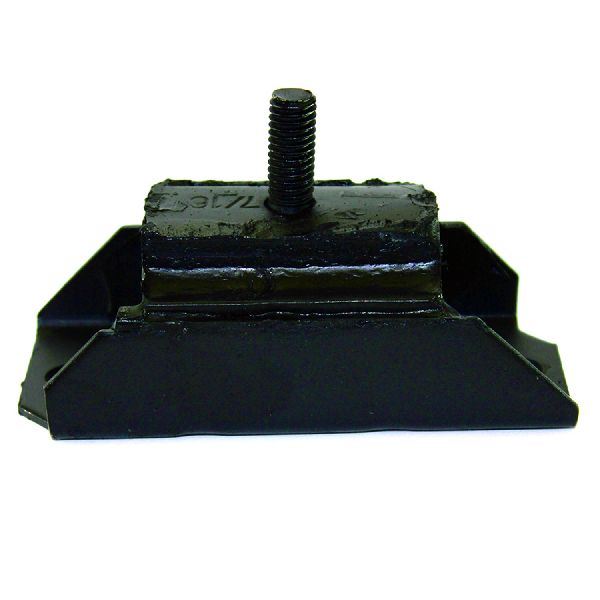
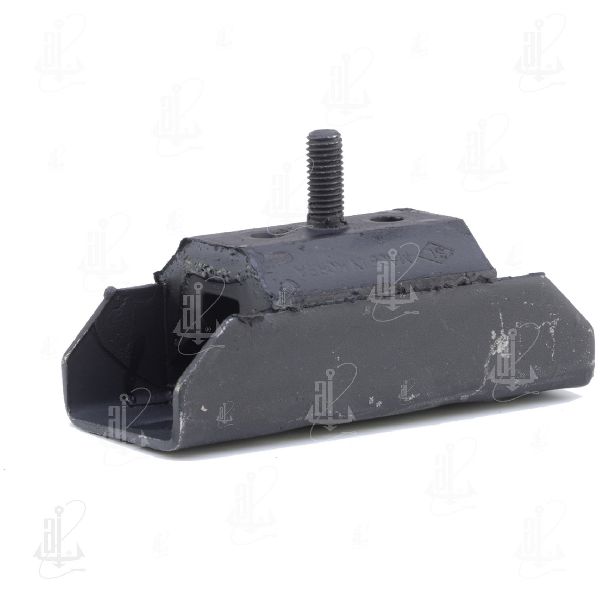
For a vehicle from the 1970s, new OEM (Original Equipment Manufacturer) parts are generally not available. The market consists of aftermarket replacements that fall into two main categories.
Standard Replacement (Rubber)
Brands: Anchor, DEA, Pioneer Cable
These brands produce standard-style rubber mounts that are designed to be direct, budget-friendly replacements for the original part. For a Riviera owner looking to restore the original smooth ride and eliminate clunks, these are a perfectly good choice. While some online forums express mixed opinions about the longevity of budget brands compared to original parts, they are often the only practical option available and are considered an acceptable standard for a daily driver or stock restoration. Given the low cost of the part, it's a high-impact repair for a small investment.
Pro Tip: When replacing a mount that has failed due to age, it's a good idea to inspect your engine mounts as well. These mounts work together as a system to secure the drivetrain. If one fails, it puts extra stress on the others.
Performance Upgrade (Polyurethane)
Brand: Prothane
Prothane offers mounts made from polyurethane, a much harder and more durable material than rubber. This is a performance upgrade. A polyurethane mount will keep the transmission much more stable, improving throttle response and providing a more connected-to-the-road feel. They are also highly resistant to oil and chemicals that can damage rubber mounts.
Warning: The main trade-off with polyurethane is a noticeable increase in Noise, Vibration, and Harshness (NVH). Because the material is stiffer, more drivetrain vibration will be transferred into the car's cabin. This is a great choice for a performance-oriented build, but if you prioritize the original, comfortable Buick ride, a standard rubber mount is the better option.
Cost of Replacing Your Transmission Mount
Replacing the transmission mount is one of the more affordable repairs you can perform. The part itself is inexpensive, and the labor is straightforward for a mechanic.
| Part / Service | Estimated Cost |
|---|---|
| New Aftermarket Mount (Rubber) | $10.99 - $25.00 |
| New Aftermarket Mount (Polyurethane) | $28.00 - $34.29 |
| Shop Labor | $85 - $170 |
| Total (DIY) | $10.99 - $34.29 |
| Total (Installed) | $95.99 - $204.29 |
Frequently Asked Questions (FAQ)
Can I replace the transmission mount myself?
Yes, this is a very DIY-friendly job for someone with basic tools. The process involves supporting the transmission with a jack and a block of wood, unbolting the old mount from the crossmember and the transmission, and bolting the new one in place. It can typically be done in 1-2 hours.
What's the difference between rubber and polyurethane mounts?
Rubber mounts, like the original, are soft and designed to absorb vibration for a comfortable ride. Polyurethane mounts are much stiffer and more durable, designed for performance. They provide better stability but will transmit more vibration into the car.
Are there any recalls for the transmission mount on my Riviera?
No. Searches of the National Highway Traffic Safety Administration (NHTSA) database show no recalls or technical service bulletins (TSBs) for the transmission mount on the 1974-1979 Buick Riviera. Any failure of this part is due to age and normal wear.
Will a new mount fix my car's vibration?
If the vibration is caused by a collapsed mount, then yes, a new mount will make a significant difference. Your car should feel smoother and quieter, especially when idling in gear and accelerating.
Technical Specifications
The primary specification difference is the material: Styrene-Butadiene Rubber (SBR) for standard replacements, which prioritizes vibration absorption, and Polyurethane for performance replacements, which prioritizes durability and stability.
We Have This Part in Stock


The information in this article is provided for general reference and educational purposes only. Vehicle specifications, procedures, and part compatibility can vary by production date, trim level, and region. Always consult your vehicle's factory service manual and verify part numbers before purchasing or performing repairs. Safety-critical components such as airbags, seat belts, and braking systems should be installed by a qualified professional.