

Power Steering Pump Replacement for the 1974-1981 Buick Skylark
Fixing whining noises and stiff steering in your classic Skylark starts with choosing the correct power steering pump.
- You MUST correctly identify your Skylark's platform (1974 A-body, 1975-79 RWD X-body, or 1980-81 FWD X-body) before ordering.
- Plan to flush the entire system and replace the power steering fluid to protect the new pump.
- Replacing old power steering hoses at the same time is a smart investment to prevent future leaks and contamination.
- Aftermarket pumps for this car are almost always remanufactured; focus on a reputable brand with a lifetime warranty.
Critical: Know Your Skylark Generation
Before buying a power steering pump for a 1974-1981 Buick Skylark, you must know which car you really have. This year range covers three completely different vehicle platforms, and the pumps are not interchangeable.
| Years | Platform | Key Identifier |
|---|---|---|
| 1974 | A-body (RWD) | Larger, mid-size platform, shared with cars like the Chevelle. |
| 1975-1979 | X-body (RWD) | Compact platform, shared with the Chevy Nova. |
| 1980-1981 | X-body (FWD) | Completely new front-wheel-drive platform. These early FWD models were known for reliability issues. |
Ordering a pump for a 'Skylark' without specifying the exact year and rear-wheel or front-wheel drive will likely result in receiving the wrong part. Always verify your vehicle's details.
Symptoms of a Failing Power Steering Pump
A failing power steering pump usually gives you plenty of warning. The most common signs are related to noises and increased steering effort.
- Whining or Groaning Noise: This is the classic symptom. The noise will often get louder when you turn the steering wheel and may change pitch with engine RPM. This is usually caused by low fluid or air in the system.
- Stiff Steering: The steering wheel becomes difficult to turn, especially at low speeds or when stopped. This indicates the pump is not producing enough pressure.
- Fluid Leaks: You may see puddles of reddish or amber fluid under the front of your car. While a leak can come from a hose, the pump shaft seal is a common failure point.
- Squealing Sound on Sharp Turns: This can indicate a slipping drive belt, which may be caused by a failing pump seizing up.
Choosing the Right Aftermarket Pump
For a vehicle of this age, brand new Original Equipment Manufacturer (OEM) pumps are not available. The market consists of remanufactured units and new aftermarket units. In the classic car world, "new" often means a quality remanufactured part, where an original core is rebuilt with new seals, bearings, and other wear items. This is a standard and reliable practice.
Brand Quality: Cardone vs. BBB Industries
Both Cardone and BBB Industries are major players in the remanufactured parts market. Owner experiences with remanufactured power steering pumps from any brand can be mixed. Some users report success, while others experience premature failures, sometimes going through multiple units to find a good one. This is often due to inconsistencies in the remanufacturing process. The advantage of buying from a reputable supplier is the warranty, which is crucial.
- Cardone: A very common brand. They scrutinize original designs and sometimes implement upgrades to improve durability over the original part. However, some forum users have reported issues with quality control.
- BBB Industries: Another widely available option. Like Cardone, they are a high-volume remanufacturer, and quality can be hit-or-miss according to some user reviews.
Pro Tip: Regardless of the brand, success often comes down to proper installation. Always flush the entire power steering system with the correct fluid and consider replacing old, brittle hoses at the same time to prevent contamination of your new pump.
Estimated Costs
| Part/Service | Estimated Cost |
|---|---|
| New Aftermarket / Remanufactured Pump | $79 - $242 |
| Shop Labor | $150 - $300 |
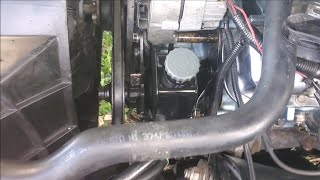
| Total Professional Replacement 🎬 Watch a step-by-step guide on replacing the pump yourself. | $229 - $542 |
Frequently Asked Questions (FAQ)
Is a new or remanufactured pump better for my Skylark?
For this vehicle, most available "new" aftermarket pumps are actually remanufactured. A quality remanufactured pump from a brand with a good warranty is the standard and most practical choice. Truly new (not reman) pumps for this application are rare.
Do I need to replace the power steering hoses at the same time?
It is highly recommended. Hoses on a 40+ year-old car can become brittle, cracked, and leak. A failing hose can leak fluid, causing your new pump to run dry and fail, or debris from an old hose can contaminate the new pump. Replacing them is cheap insurance.
What kind of power steering fluid should I use in my 1974-1981 Skylark?
For these classic GM systems, standard power steering fluid is typically sufficient. Some owners may use a fluid with stop-leak additives if they have minor seal leaks. Always flush the old, likely contaminated fluid out of the system before adding new fluid.
Why is my new pump making a whining noise?
A whining noise after installation is almost always caused by air trapped in the system. To fix this, you need to bleed the system. With the engine off and the front wheels off the ground, slowly turn the steering wheel from lock to lock several times. Then, start the engine and repeat. Check the fluid level and top off as needed until the noise disappears.
Are there any recalls for the power steering on these Skylarks?
There was a recall for the 1981 model year concerning improperly routed power steering hoses that could contact the exhaust manifold, leading to a fluid leak and potential fire. While the recall is long expired, it highlights the importance of checking hose routing after any service.
Helpful Videos
Technical Specifications
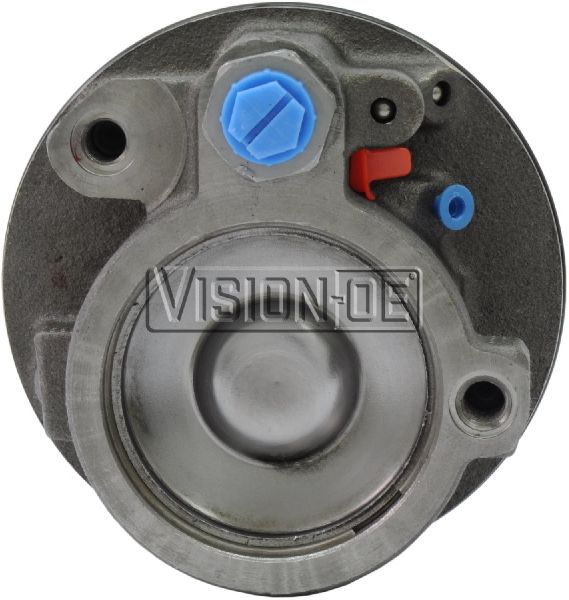
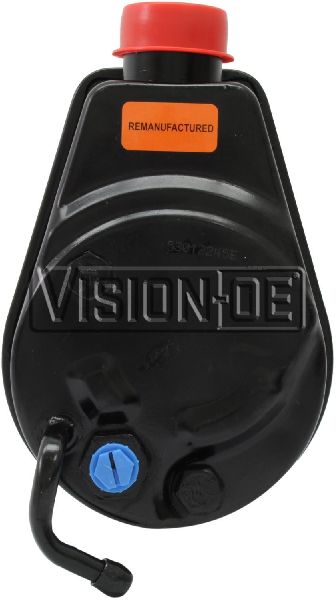
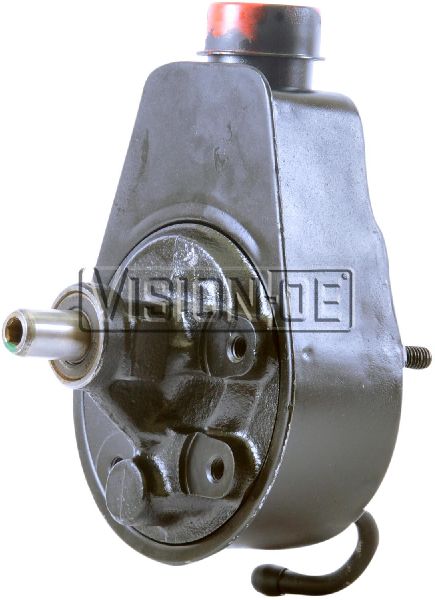
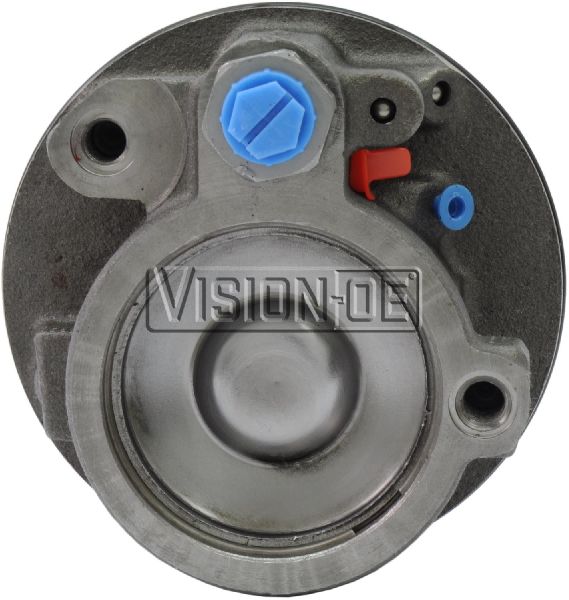
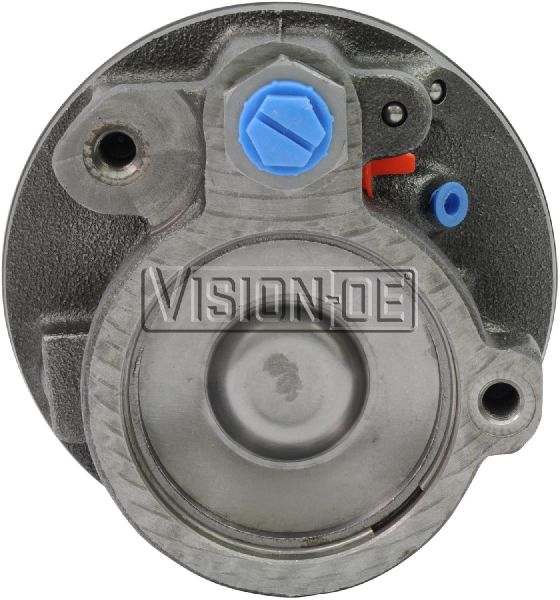
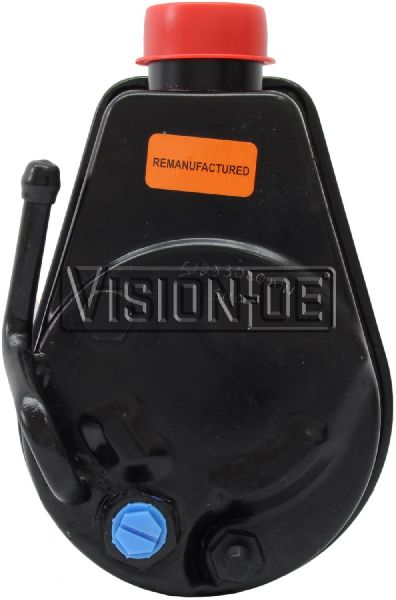
Pump type varies significantly by year. 1974-1979 models typically use a Saginaw P-series pump with a steel reservoir and V-belt pulley. 1980-1981 FWD models use a different pump design. Pulley attachment (nut vs. press-on) and pressure port fittings (SAE vs. metric O-ring) also changed around 1975 and 1980, respectively.
We Have This Part in Stock

The information in this article is provided for general reference and educational purposes only. Vehicle specifications, procedures, and part compatibility can vary by production date, trim level, and region. Always consult your vehicle's factory service manual and verify part numbers before purchasing or performing repairs. Safety-critical components such as airbags, seat belts, and braking systems should be installed by a qualified professional.