

Distributor Cap Replacement Guide for the 1974-1982 Buick Century
Resolve common engine running issues like misfires and hard starts by choosing the right new distributor cap for your classic Buick.
- A failing distributor cap is a common cause of rough running, misfires, and starting issues on the 1974-1982 Buick Century.
- Always replace the distributor rotor at the same time as the cap; they are often sold as a kit.
- High-quality aftermarket brands like ACDelco, MSD, and Standard Ignition are excellent choices. Opt for brass terminals over aluminum for better durability.
- This is a simple DIY job; the most important step is to transfer spark plug wires one by one to maintain the correct firing order.
Signs of a Failing Distributor Cap on Your Buick Century
A distributor cap is a wear-and-tear item. Over time, the plastic can crack, and the metal terminals inside can corrode or get covered in carbon. When this happens, the spark your engine needs can become weak or inconsistent, leading to noticeable problems. If you experience any of the following, your distributor cap could be the culprit:
- Engine Misfires: The engine may sputter or hesitate, especially when you accelerate.
- Rough Idle: Your car might shake or vibrate more than usual when stopped.
- Trouble Starting: The engine may take longer to crank before it starts, or it might not start at all.
- Stalling: The engine could stall unexpectedly, sometimes with a backfire sound from the exhaust.
- Visible Damage: A visual inspection might reveal cracks in the cap, moisture inside, or white, chalky corrosion on the metal terminals.
Check the Rotor, Too
The distributor cap works with a small spinning part underneath it called the rotor. The rotor is also a wear item and is responsible for sending the spark to the cap's terminals. It is highly recommended to replace the rotor at the same time as the cap. They are often sold together in a kit.
Choosing the Right Aftermarket Distributor Cap
For a vehicle like the 1974-1982 Buick Century, aftermarket distributor caps offer excellent value and performance. Original GM parts can be difficult to find and expensive. High-quality aftermarket brands produce reliable parts that meet or exceed original specifications.
Aftermarket Brand Tiers
| Brand Tier | Brands | Quality & Materials Assessment |
|---|---|---|
| Premium/Performance | MSD | MSD is a top name in performance ignition systems. Their caps are often made from high-quality Rynite material for superior strength and dielectric properties (resisting spark jump-through). They typically feature brass terminals, which offer better conductivity than standard aluminum. This is an excellent choice for modified engines or for owners who want the highest level of durability. |
| OE-Quality Standard Replacement | ACDelco, Standard Ignition (SMP) | ACDelco is the original equipment brand for GM and is a trusted benchmark for fit and function. Standard Ignition is a highly respected aftermarket manufacturer known for producing parts that are often equivalent to OE quality. Both brands are a reliable choice for a stock daily driver, with many forum users reporting positive long-term experiences. Some users prefer caps with brass terminals over aluminum for better longevity. |
| Standard Economy | Walker Products | Walker Products is known for a wide range of engine management components. While they offer OE-grade replacement parts, they are often positioned as a budget-friendly option. For a simple component like a distributor cap on an older vehicle, this can be a perfectly adequate choice for a car that sees limited use, though some users in forums express a preference for OEM or premium brands for critical ignition parts. |
Brass vs. Aluminum Terminals
When shopping, you'll see caps with either brass or aluminum terminals. Brass is a better conductor and is more resistant to corrosion than aluminum. While an aluminum terminal cap will work fine, a cap with brass terminals is generally considered a higher-quality, more durable option.
Frequently Asked Questions (FAQ)
Do I need to replace my spark plug wires with the cap?
It's a good idea to inspect them. If the wires are old, cracked, or show corrosion on the ends, you should replace them. A new cap and rotor won't perform well if the spark can't get through old wires. Transferring wires one-by-one from the old cap to the new cap ensures you maintain the correct firing order.
Are there any recalls for the 1974-1982 Buick Century distributor cap?
No specific recalls for the distributor cap itself were found for this vehicle range. While GM had significant ignition-related recalls in later years, they do not apply to the distributor system in these specific models. Searches on the NHTSA database did not show any recalls or technical service bulletins (TSBs) for the distributor cap on the 1974-1982 Buick Century.
How do I make sure I get the right cap for my engine?
The 1974-1982 Buick Century was available with different engines (V6 and V8). The distributor cap will be different for each. The most important step is to verify your engine size before ordering. The product description will specify if the cap is for a V6 or V8 engine.
Is replacing the distributor cap a difficult job?
No, this is a very beginner-friendly job. It typically requires only a screwdriver or a small socket set. The cap is held on by two or three screws or clips. The most critical part of the job is to move the spark plug wires from the old cap to the new cap one at a time to avoid mixing up the engine's firing order.
Technical Specifications
OEM Part Numbers: D335 1894979
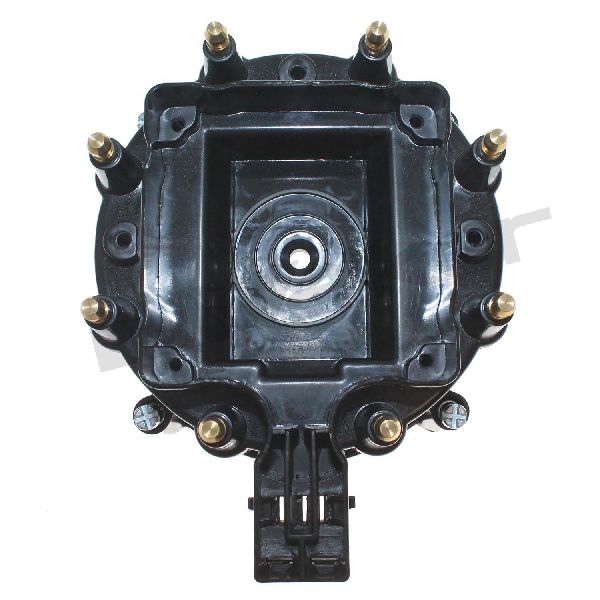
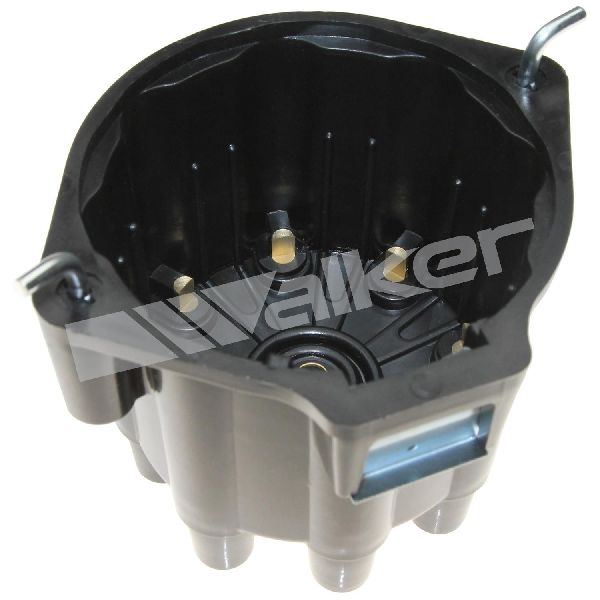
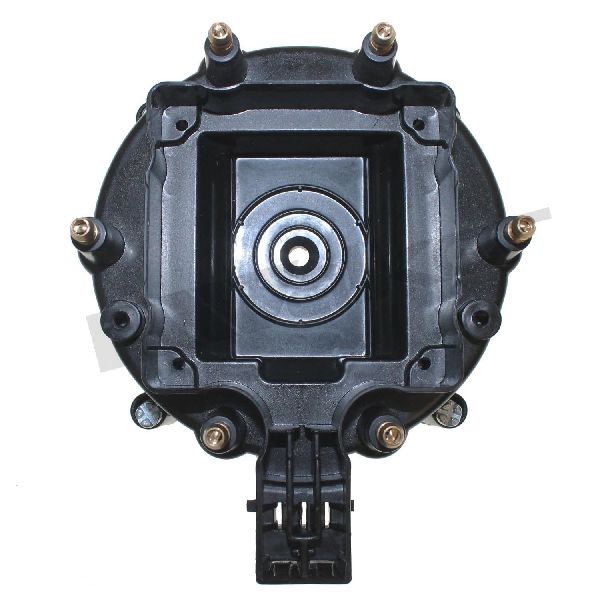
Fits GM HEI (High Energy Ignition) systems for V6 and V8 engines. Cap is secured by clips or screws. Style is typically a male/HEI terminal design.
We Have This Part in Stock


The information in this article is provided for general reference and educational purposes only. Vehicle specifications, procedures, and part compatibility can vary by production date, trim level, and region. Always consult your vehicle's factory service manual and verify part numbers before purchasing or performing repairs. Safety-critical components such as airbags, seat belts, and braking systems should be installed by a qualified professional.