

A Practical Guide to the 1974-1983 Jeep Cherokee (SJ) Automatic Transmission Mount
Eliminate drivetrain clunks and vibrations by choosing the right replacement transmission mount for your classic Full-Size Jeep.
- A clunking noise on acceleration is the #1 symptom of a bad transmission mount.
- Choose a high-quality rubber mount (like Crown) for ride comfort or a polyurethane mount (like Prothane) for maximum durability, but expect more vibration.
- Leaking oil from the engine or transmission will destroy a rubber mount quickly; fix leaks to prolong the life of your new mount.
- This is a DIY-friendly job that can be done with basic tools, a jack, and jack stands.
Is Your Transmission Mount Failing?
A worn-out transmission mount on an SJ Cherokee is usually easy to diagnose. The rubber material cracks and collapses over time, especially when exposed to leaking engine or transmission oil which degrades it quickly. When it fails, the transmission is no longer held securely, leading to noticeable symptoms.
Common Symptoms of a Bad Mount:
- Clunking or Banging Noises: The most common sign is a loud "clunk" or "thump" when you accelerate, let off the gas, or shift from park into drive or reverse. This is the sound of the transmission moving excessively and hitting other components.
- Excessive Vibrations: You may feel new or increased vibrations through the floor, seat, or steering wheel. This happens because the failed mount can no longer absorb the normal vibrations from the drivetrain.
- Visible Drivetrain Movement: If you can safely have someone watch the engine and transmission while you gently shift between drive and reverse (with the brakes firmly applied), they may see the entire assembly lurch more than it should.
A Note on Severe Failure
In extreme cases, a completely separated mount can allow for so much movement that it puts stress on other parts like u-joints, driveshafts, and even transmission seals, potentially causing leaks. It's a simple part that prevents bigger problems, so it's best to replace it when symptoms first appear.
Choosing the Right Aftermarket Mount: Rubber vs. Polyurethane
Since original OEM parts for this Jeep are scarce, your choice will be between different types of aftermarket mounts. They fall into two main categories: standard rubber and upgraded polyurethane. Your choice depends on your budget, how you use your Jeep, and your tolerance for vibration.
Tier 1: Standard Rubber Replacements
Brands like: Anchor, Pioneer Cable
These are the most affordable options, designed to mimic the original factory mount's feel and function. However, many Jeep owners in forums report that budget-friendly rubber mounts are made from lower-quality materials and can fail very quickly—sometimes in less than a year. They may be a quick, cheap fix, but they often don't last.
Tier 2: OEM-Quality Rubber Replacements
Brands like: Crown Automotive, Rugged Ridge
Brands that specialize in Jeep parts, like Crown and Rugged Ridge, often provide a higher-quality rubber mount. Forum discussions frequently recommend Crown as a durable rubber option that is visibly more robust than standard auto parts store brands. These are an excellent choice for a daily driver or a stock restoration, providing factory-like ride comfort with better longevity than budget brands.
Tier 3: Polyurethane Upgrades
Brands like: Prothane, Daystar
Polyurethane is a type of plastic that is much stronger and more durable than rubber. These mounts are highly resistant to oil and will hold the transmission much more firmly, making them a great option for off-road or performance-oriented Jeeps. The downside is a significant increase in Noise, Vibration, and Harshness (NVH). You will feel more engine vibration at idle and while driving. While some find it acceptable, others consider it too harsh for a comfortable daily driver.
Pro-Tip: Rubber or Poly?
If your Cherokee is a daily driver and you value a smooth, quiet ride, stick with a high-quality rubber mount from a brand like Crown. If your Jeep is a dedicated trail rig or weekend toy and you want maximum durability, a Prothane or Daystar polyurethane mount is the tougher choice.
Estimated Replacement Costs
| Part Type | Estimated Part Cost | Estimated Shop Labor Cost |
|---|---|---|
| Aftermarket Rubber (Standard) | $12 - $20 | $100 - $200 |
| Aftermarket Rubber (OEM-Quality) | $20 - $35 | |
| Aftermarket Polyurethane | $25 - $35 |
Cost estimates are approximate and can vary based on location and supplier.
Frequently Asked Questions (FAQ)
Can I replace the transmission mount myself?
Yes, this is a very DIY-friendly job for someone with basic mechanical skills and tools. The process involves safely supporting the transmission with a floor jack and a block of wood, unbolting the crossmember, and then swapping the mount. It typically takes 1-2 hours.
What's the main difference between a rubber and polyurethane mount?
Rubber provides the smoothest and quietest ride by absorbing the most vibration, but it can wear out faster and is vulnerable to oil damage. Polyurethane is much more durable and oil-resistant but transmits significantly more vibration and noise into the vehicle's cabin.
Do I need to replace my engine mounts at the same time?
It is highly recommended. The engine and transmission mounts work together to support the drivetrain. If the transmission mount has failed, the engine mounts have been under extra stress and are likely worn as well. Replacing all three mounts at once ensures proper drivetrain alignment and prevents the new mount from failing prematurely.
Will a new mount fix my transmission shifting problems?
Sometimes. If the old mount was so collapsed that it caused poor drivetrain alignment, a new mount could improve shifting feel. However, a new mount will not fix internal transmission problems. If you still have issues after replacement, the problem lies elsewhere.
Are there any recalls for the 1974-1983 Cherokee transmission mount?
No, there are no specific recalls or Technical Service Bulletins (TSBs) from the NHTSA for the transmission mount on the 1974-1983 Jeep Cherokee SJ. Searches show recalls for much newer models, but not for this generation.
Technical Specifications
OEM Part Numbers: J1370910
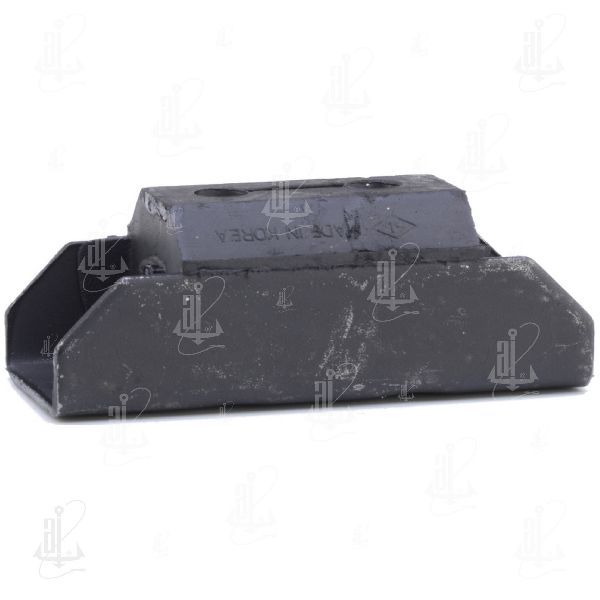
The mount consists of a metal housing with an integrated rubber or polyurethane insulator. It attaches the rear of the automatic transmission to the vehicle's central crossmember.
We Have This Part in Stock


The information in this article is provided for general reference and educational purposes only. Vehicle specifications, procedures, and part compatibility can vary by production date, trim level, and region. Always consult your vehicle's factory service manual and verify part numbers before purchasing or performing repairs. Safety-critical components such as airbags, seat belts, and braking systems should be installed by a qualified professional.
- 🛍️ Shop This Part
- Is Your Transmission Mount Failing?
- Common Symptoms of a Bad Mount:
- A Note on Severe Failure
- Choosing the Right Aftermarket Mount: Rubber vs. Polyurethane
- Tier 1: Standard Rubber Replacements
- Tier 2: OEM-Quality Rubber Replacements
- Tier 3: Polyurethane Upgrades
- Pro-Tip: Rubber or Poly?
- Estimated Replacement Costs
- Frequently Asked Questions (FAQ)
- 🎟️ Get 5% Off