

1974-1983 Jeep Cherokee (SJ) Brake Light Switch Guide and Diagnosis
Solve common brake light problems on your classic Full-Size Jeep Cherokee by diagnosing and replacing the brake light switch.
- A bad brake light switch is the most likely cause for brake lights that don't work or stay on constantly.
- This is a very simple and inexpensive DIY repair; the biggest challenge is accessing the switch under the dash.
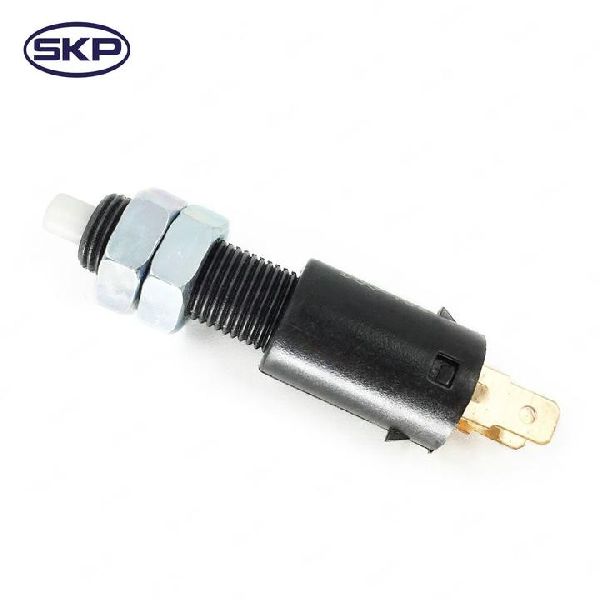
- Ensure you are buying a mechanical pedal switch, not the hydraulic style used on pre-1973 Jeeps.
- Driving with a faulty brake light switch is a critical safety hazard and should be repaired immediately.
Is Your Brake Light Switch Failing?
A faulty brake light switch is a common issue on older vehicles like the SJ Cherokee. The internal contacts can wear out or the plastic housing can become brittle and break. Before you replace bulbs or trace wires, check the switch. The symptoms are usually very clear and can appear suddenly.
Critical Safety Warning
Driving without functional brake lights is extremely dangerous and illegal. If your brake lights are not working, do not drive the vehicle until the issue is repaired. If your brake lights are stuck on, they will not indicate when you are actually braking, which can confuse other drivers and potentially cause an accident. This can also drain your battery.
Symptoms of a Bad Brake Light Switch
Look for these common signs of failure:
- Brake Lights Don't Turn On: This is the most common and dangerous symptom. You press the pedal, but the lights in the rear do not illuminate.
- Brake Lights Stay On: The switch can fail in the 'on' position, leaving the brake lights illuminated even when your foot is off the pedal. This will drain your battery.
- Intermittent Brake Lights: The lights may flicker or only work when you press the pedal in a certain way. This points to worn internal contacts in the switch.
Choosing the Right Aftermarket Switch
For a classic vehicle like the 1974-1983 Cherokee, finding a new original equipment (OEM) part is nearly impossible. The aftermarket is your primary source. For a simple part like this mechanical switch, aftermarket options are generally reliable and affordable.
Here’s a breakdown of the available brands:
- Good (Tier 1): Standard Ignition (Standard Motor Products) is a well-respected brand known for producing parts that meet or exceed original specifications. They are a trusted choice for reliability and proper fit. Many professional mechanics use Standard parts as a go-to replacement.
- Acceptable (Tier 2): Crown Automotive specializes in Jeep parts and offers a wide range of replacement components. While sometimes viewed as a step below top-tier brands, their switches are a cost-effective and widely available option that will get the job done for most owners.
- Budget (Tier 3): Brands like Skyward fall into the budget category. These parts are the most affordable but may have questionable long-term durability. For a critical safety part like a brake light switch, it's often worth spending a few extra dollars for a more reputable brand.
Pro Tip: Check Your Switch Type
Jeep used hydraulic pressure switches on the master cylinder in models up to 1972. Starting in 1973, they switched to a mechanical switch on the brake pedal. Your 1974-1983 Cherokee should have the mechanical switch, but always visually confirm it's located under the dash on the pedal assembly before ordering.
Typical Replacement Costs
Replacing the brake light switch is one of the most affordable repairs you can perform on your Jeep.
| Part Type | Estimated Cost |
|---|---|
| New Aftermarket Switch | $5.40 - $29.97 |
| Shop Labor | $50 - $100 |
| DIY Total | $5.40 - $29.97 |
Frequently Asked Questions (FAQ)
How do I test my brake light switch?
You can perform a simple test with a multimeter. First, disconnect the electrical connector from the switch. Set your multimeter to the continuity setting. With the switch's plunger extended (as if the pedal were pressed), you should have continuity between the terminals. When you push the plunger in (as if the pedal were released), the continuity should break. If it doesn't behave this way, the switch is bad.
Is this a difficult repair to do myself?
No, this is a very easy repair for a DIYer. It requires basic tools and can usually be done in under 30 minutes. The main challenge is the uncomfortable position required to work under the dashboard. The switch is typically held to a bracket on the pedal assembly by a clip or is twisted into place.
My bulbs and switch are good, but the lights still don't work. What else could it be?
If a new switch doesn't solve the problem, check the simple things first: the brake light fuse in the fuse panel and the bulbs themselves. After that, the problem could be a bad ground wire at the tail lights or an issue within the turn signal switch, as the brake light power runs through it on many older vehicles.
Are all 1974-1983 Cherokee brake light switches the same?
For the most part, yes. This generation (SJ) used a consistent mechanical switch design. However, it's always best practice to use your vehicle's specific details when ordering or to visually match the old part. The most important thing is to ensure you are buying the mechanical pedal switch and not the older hydraulic style.
Technical Specifications
OEM Part Numbers: J5352620
2-Terminal Mechanical Plunger Switch
We Have This Part in Stock


The information in this article is provided for general reference and educational purposes only. Vehicle specifications, procedures, and part compatibility can vary by production date, trim level, and region. Always consult your vehicle's factory service manual and verify part numbers before purchasing or performing repairs. Safety-critical components such as airbags, seat belts, and braking systems should be installed by a qualified professional.