

Universal Joint Guide for the 1974-1983 Jeep Cherokee (SJ)
Don't let driveshaft vibrations and clunks sideline your classic Cherokee; here's how to choose the right replacement U-joint.
- Prioritize Dana Spicer brand U-joints for OEM quality and durability, especially for off-road use.
- Address symptoms like vibrations and clunking immediately to prevent a dangerous driveshaft failure.
- For maximum strength, choose non-greasable U-joints over greasable versions.
- Consider replacing all U-joints on a driveshaft at the same time, as they tend to wear at a similar rate.
Is Your Cherokee's U-Joint Failing?
A failing U-joint is not just a nuisance; it's a warning. Because these parts are under constant stress, they eventually wear out. Ignoring the symptoms can lead to a complete failure where the driveshaft can separate from the vehicle, causing significant damage and a loss of control. Listen for the common warning signs to catch a bad U-joint early.
Common Failure Symptoms
- Clunking Noise: A loud clunk or ringing sound when you shift from drive to reverse is a classic sign of a worn U-joint.
- Vibrations: A vibration that you can feel through the floor of the Jeep, which gets worse at higher speeds, points to a U-joint problem.
- Squeaking Sound: A repeating, bird-chirp-like squeak that changes with your speed often means the U-joint has lost its grease and is failing.
- Clicking While Turning: If you hear a clicking or popping sound from the front wheels during slow turns, the U-joints in your front axle shafts are likely worn.
Choosing the Right Aftermarket U-Joint
For a classic vehicle like the 1974-1983 Cherokee, aftermarket parts are the most common and accessible option. Quality can vary, so it's important to choose a brand that matches your needs and budget. Dana Spicer is widely considered the original equipment manufacturer (OEM) for Jeep driveline parts, making their aftermarket offerings a top choice.
Brand Quality Tiers
When shopping for a new U-joint, you'll find several brands available. Here’s how they generally stack up for your classic Cherokee:
- Tier 1: OEM Quality (Best for Durability & Off-Road)
Dana Spicer Chassis: This is the go-to brand for most Jeep owners. Spicer parts are known for their durability, precise fit, and long life, making them ideal for any use, from daily driving to serious off-roading. Many forum users and Jeep specialists recommend using Spicer non-greasable joints for maximum strength. - Tier 2: Premium Aftermarket (Reliable Alternatives)
Moog & SKF: Moog has a long-standing reputation for quality suspension and driveline parts, though some users note that quality can be inconsistent depending on the manufacturing location. Their "Super Strength" line is a solid choice. SKF is a well-respected bearing manufacturer, and their U-joints are considered a reliable option if Spicer is unavailable. - Tier 3: Standard/Economy (Budget-Friendly)
GMB & ACDelco: GMB is a Japanese manufacturer that offers good quality parts at a budget-friendly price. They are a suitable choice for standard-duty vehicles that see mostly road use. ACDelco is a well-known brand, though more associated with GM vehicles, and provides a reliable budget option.
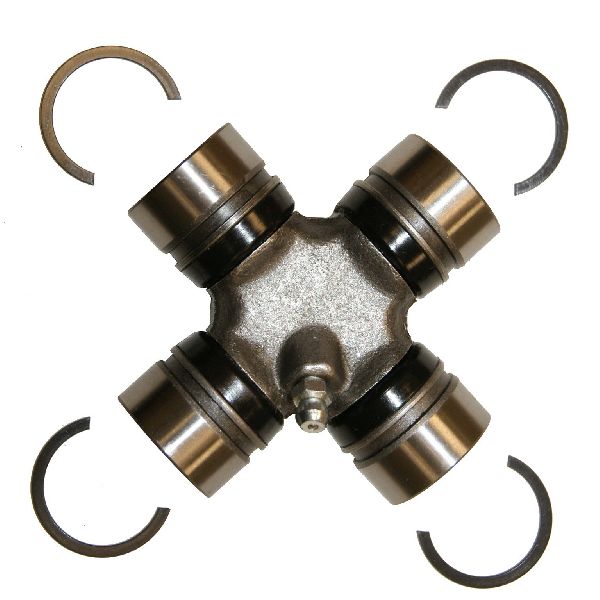
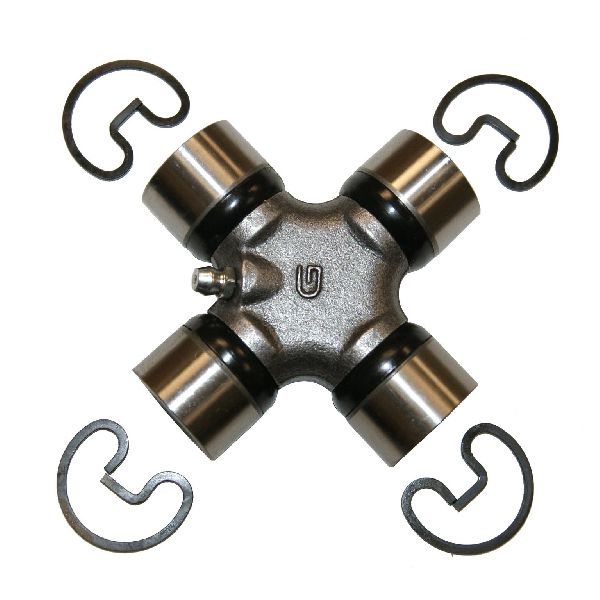
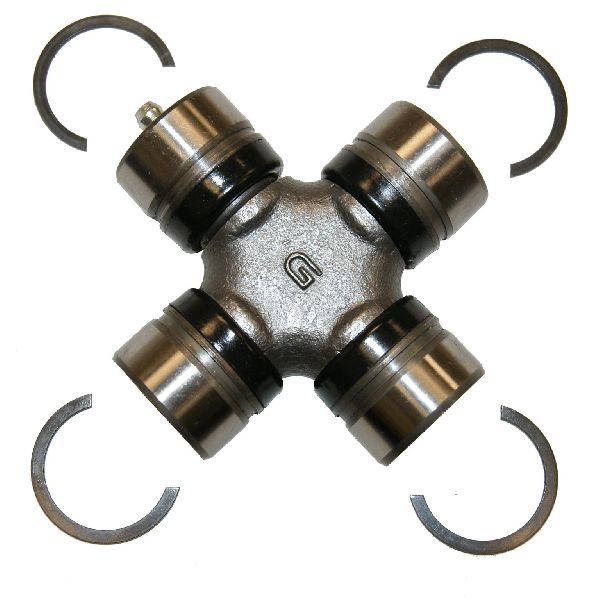
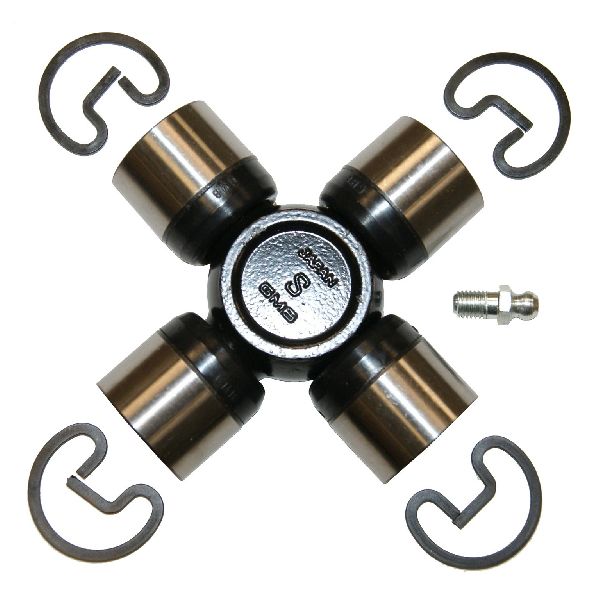
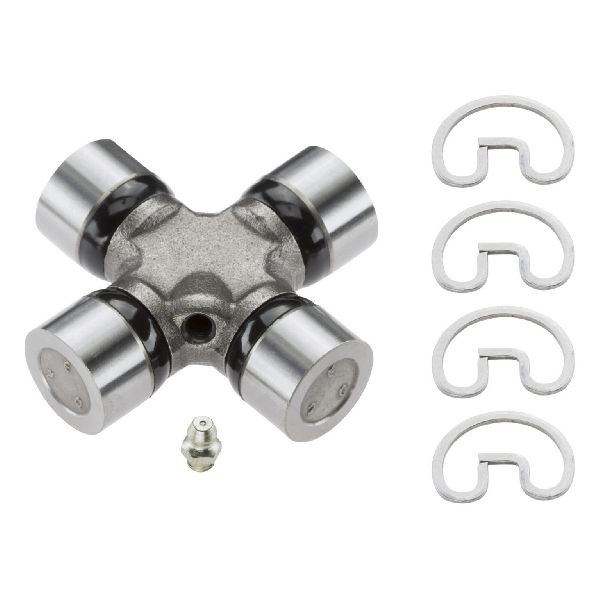
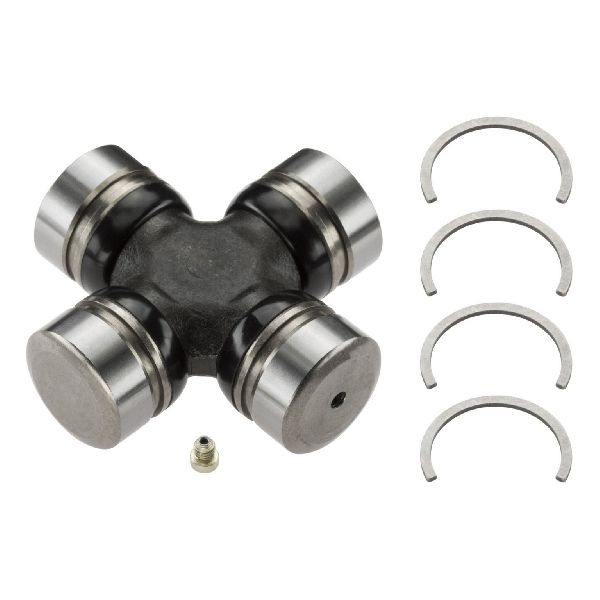
You will see options for both greasable and non-greasable (sealed) U-joints. Non-greasable joints, like the original factory ones, are generally considered stronger because the cross is solid steel. Greasable joints can last a long time if maintained regularly, but the grease fitting creates a weak point. For the best durability, especially if you take your Cherokee off-road, choose a high-quality non-greasable U-joint from a brand like Spicer.
How Much Does a U-Joint Replacement Cost?
The cost to replace a U-joint on a 1974-1983 Cherokee is reasonable. The parts themselves are affordable, and if you have the right tools, you can save on labor by doing it yourself. The total cost will depend on how many U-joints you replace at once.
| Part/Service | Estimated Cost |
|---|---|
| Aftermarket Universal Joint (Single) | $17 - $75 |
| Shop Labor Cost (per driveshaft) | $150 - $300 |
| Total DIY Cost (1-2 Joints) | $20 - $150 |
| Total Professional Replacement (1-2 Joints) | $170 - $375 |
Cost estimates are approximate and can vary based on your location and the specific parts chosen.
Frequently Asked Questions
How many U-joints does my 1974-1983 Cherokee have?
Most 4x4 models from this era have a total of seven U-joints: three in the front driveshaft (it uses a special two-joint setup called a double-cardan joint), two in the rear driveshaft, and one in each of the two front axle shafts.
Can I replace just one bad U-joint?
Yes, you can replace only the failing joint. However, it's good practice to replace all the U-joints on the same driveshaft at the same time. If one has failed due to age and mileage, the others are likely not far behind.
Is replacing a U-joint a DIY job?
Yes, this is a common DIY job for mechanically inclined owners. However, it requires specific tools, including a heavy-duty vise or a U-joint press, sockets, and hammers. Removing old, rusted joints can be difficult without the right equipment.
What happens if a U-joint fails completely?
Complete failure is dangerous. The U-joint will break, and the driveshaft can detach from the vehicle. If this happens while driving, it can dig into the pavement, causing you to lose control, and can severely damage your transmission, transfer case, and exhaust system.
Were there any recalls for U-joints on these Cherokees?
No recalls or Technical Service Bulletins (TSBs) were found specifically for universal joints on the 1974-1983 Jeep Cherokee (SJ) models. Any recalls found for Jeep Cherokees are for much newer model years and unrelated issues.
Technical Specifications
OEM Part Numbers: 8126637 J4006928
Most 1974-1983 SJ models use a 1310-series U-joint for the driveshafts. The front axle shafts may use a different size. Always verify the specific part number for your vehicle's configuration (driveshaft vs. axle shaft) before ordering.
We Have This Part in Stock

The information in this article is provided for general reference and educational purposes only. Vehicle specifications, procedures, and part compatibility can vary by production date, trim level, and region. Always consult your vehicle's factory service manual and verify part numbers before purchasing or performing repairs. Safety-critical components such as airbags, seat belts, and braking systems should be installed by a qualified professional.