

Chevrolet Camaro Distributor Cap Guide: 1974-1984
Everything you need to know before buying a new distributor cap for your second or third-generation Camaro.
- Always replace the distributor cap and rotor together as a set for a reliable repair.
- Symptoms of a bad cap include misfires, rough idle, hard starting, and poor acceleration.
- For better longevity and performance, choose a cap with brass terminals over aluminum ones.
- This is a simple and affordable DIY job that most owners can complete in under 30 minutes.
Symptoms of a Failing Distributor Cap
A distributor cap is a wear item, meaning it won't last forever. The plastic can crack, and the metal terminals inside can corrode or build up carbon deposits. When this happens, your Camaro's engine performance will suffer. Here are the most common signs that your distributor cap needs to be replaced:
- Engine Misfires or Rough Idle: This is the most common symptom. A weak or inconsistent spark will cause the engine to shake, stumble, or run poorly, especially when idling.
- Trouble Starting: A cracked or corroded cap can make it hard for the spark to reach the plugs, leading to long cranking times before the engine starts, or it may not start at all.
- Stalling or Backfiring: If the spark is not delivered correctly, the engine can lose power and stall unexpectedly. You might also hear popping or backfiring from the exhaust.
- Shaking or Hesitation: You may feel the vehicle shake or hesitate during acceleration. This happens because the engine isn't getting consistent power from all cylinders.
- Visible Damage: If you inspect the cap, you might see cracks in the plastic, white or greenish corrosion on the terminals, or black carbon tracks that look like pencil lines.
Pro Tip: Replace the Rotor, Too
The distributor rotor spins inside the cap and is exposed to the same high-energy environment. It wears out at the same rate as the cap. For a complete and reliable repair, you should always replace the distributor cap and rotor as a set. Most aftermarket kits include both parts.
Choosing the Right Aftermarket Distributor Cap
For a classic car like the 1974-1984 Camaro, the aftermarket offers a wide range of quality and performance. Original OEM parts can be hard to find, but many aftermarket brands meet or exceed original quality. The key difference often comes down to the materials used for the cap and the internal contacts.
Brand Tiers & Quality
Your choice of brand depends on your budget and how you use your Camaro.
- Performance (MSD): MSD is a top name in performance ignitions. Their caps are often made from high-quality, durable plastics with brass terminals for the best possible spark transfer and corrosion resistance. This is an excellent choice if you have other performance upgrades or simply want the most robust and reliable option.
- OEM-Quality (ACDelco, Standard Ignition): ACDelco was the original equipment supplier for GM, and their parts are a trusted, reliable choice for a stock replacement. Standard Motor Products (SMP) is another highly respected brand that produces quality parts, often with improvements over the original design, like using brass terminals instead of aluminum. These brands offer a great balance of quality and price.
- Value (Walker Products): Brands like Walker offer a budget-friendly option for getting your car back on the road. While they meet basic requirements, they may use less expensive materials, which could lead to a shorter service life compared to premium brands.
Aluminum vs. Brass Terminals
Cheaper caps often use aluminum terminals, which work fine but can corrode more quickly. Premium caps use brass terminals, which offer better conductivity and are much more resistant to corrosion, leading to a longer life and more consistent performance. For the small difference in price, a cap with brass terminals is almost always the better investment.
Distributor Cap Replacement Cost (1974-1984 Camaro)
Replacing the distributor cap is one of the more affordable maintenance jobs for your Camaro. The cost depends on the brand you choose and whether you do the work yourself.
| Item | Estimated Cost |
|---|---|
| New Aftermarket Distributor Cap & Rotor Kit | $18 - $85 |
| Shop Labor | $50 - $100 |
| Total Estimated Cost (DIY) | $18 - $85 |
| Total Estimated Cost (Shop) | $68 - $185 |
Frequently Asked Questions
How often should I replace my Camaro's distributor cap?
A distributor cap is a maintenance part. For a daily driver, it's a good idea to inspect it annually and plan on replacing it and the rotor every 20,000 to 30,000 miles, or whenever you perform a major tune-up with spark plugs and wires.
Do I need a special cap for my V8 or V6 engine?
Yes, the distributor cap is specific to the engine. A V8 engine requires a cap with 8 terminals (plus one for the coil), while a V6 would use a different cap. Always verify the part fits your specific year and engine before purchasing.
What is a High Energy Ignition (HEI) distributor?
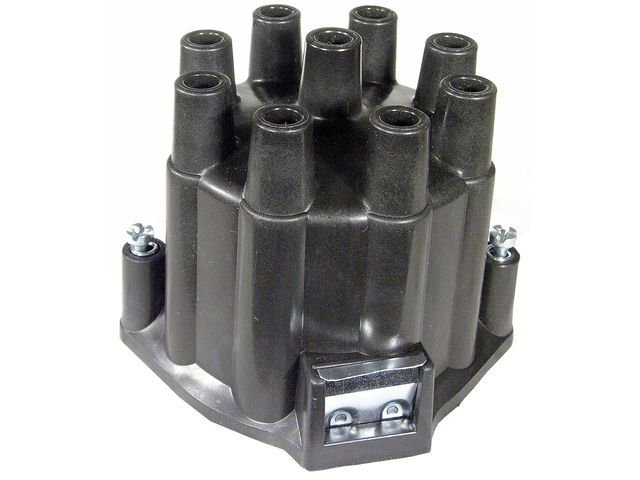
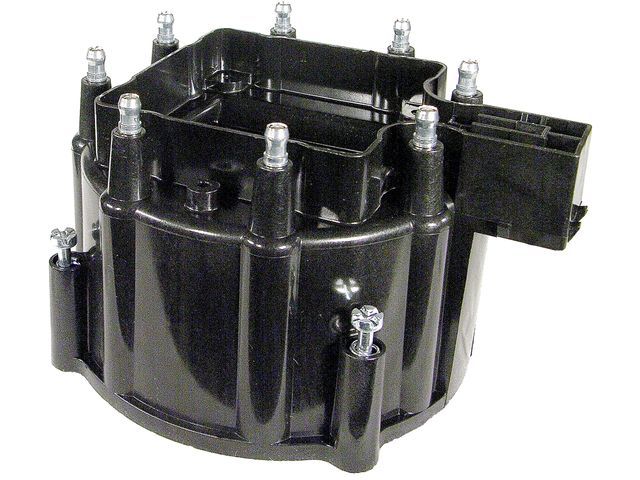
HEI is a type of electronic ignition system GM introduced in the mid-1970s. It's easily identified by its large distributor cap that has the ignition coil integrated into the top, with no separate, external coil mounted elsewhere in the engine bay. Most 1974-1984 Camaros came with this system from the factory.
Is replacing a distributor cap a good DIY job?
Yes, this is a great job for a beginner. It typically involves removing two clips or screws, unplugging the spark plug wires one by one (label them first!), and swapping the cap. The most important part is to transfer the spark plug wires to the new cap in the exact same order to maintain the correct engine firing order.
Technical Specifications
Fits High Energy Ignition (HEI) systems common in 1974-1984 models. Cap design includes integrated coil housing. Available with aluminum or brass terminals for V8 and V6 engine configurations.
We Have This Part in Stock


The information in this article is provided for general reference and educational purposes only. Vehicle specifications, procedures, and part compatibility can vary by production date, trim level, and region. Always consult your vehicle's factory service manual and verify part numbers before purchasing or performing repairs. Safety-critical components such as airbags, seat belts, and braking systems should be installed by a qualified professional.