

Chevrolet Caprice Ignition Control Module Guide for 1974-1984 Models
Solve stalling and no-start problems in your classic Caprice by understanding and replacing the ignition control module.
- Heat is the primary cause of failure; always apply new thermal paste during installation.
- Symptoms often appear when the engine is hot, such as stalling and being unable to restart until it cools.
- A failing module can mimic fuel system problems, but it's actually a lack of spark.
- This is a simple DIY repair that can be done in under an hour with basic tools.
Understanding Your Caprice's Ignition Module
If you own a 1974 to 1984 Chevrolet Caprice, you have a car with a High Energy Ignition (HEI) system. This was a big upgrade from older points-based systems. The heart of this system is the ignition control module. Its main enemy is heat. The module is mounted inside the distributor and uses the distributor's metal body as a heat sink to stay cool. Over time, the constant heat from the engine can cause the module to fail. When it does, the spark can become weak, intermittent, or disappear completely.
Common Failure Symptoms
A failing ignition module can mimic other problems, like a bad carburetor or fuel pump. The symptoms often get worse as the engine warms up. Here’s what to look for:
- Engine Stalls and Won't Restart: The most common symptom. The engine runs, then dies once it gets hot. It won't restart until the module has cooled down, which can take 30 minutes or more.
- No-Start Condition: The engine cranks but never fires up because there is no spark.
- Engine Misfires or Hesitation: The car may stumble or hesitate during acceleration. 🎬 Watch: How to diagnose and fix your HEI distributor issues.
- Rough Idle: The engine runs poorly and shakes at idle.
Heat is the Enemy
The number one killer of ignition control modules is heat. When you replace the module, you MUST apply a layer of thermal paste to its metal base. This paste helps transfer heat away from the module and into the distributor housing. Most new modules come with a small packet of this paste; make sure you use it. Do not use dielectric grease, which is an insulator and will cause the new module to overheat and fail quickly.
Choosing the Right Aftermarket Module
Since new OEM Delco modules from that era are no longer made, the aftermarket is your only real choice. Quality can vary, so it's important to choose a reputable brand. Here’s a breakdown of the available options:
Tier 1: Premium Aftermarket
Delphi and Standard Ignition (SMP) are well-regarded brands that often supply parts to original manufacturers. They are known for good quality control and reliability. For a daily driver or a car you depend on, these brands are a solid choice and worth the slightly higher cost.
Tier 2: Performance Brands
Accel offers performance-oriented modules that are designed to provide a stronger spark, especially at higher RPMs. While some users report good results, others have experienced reliability issues, sometimes related to pairing them with very high-output coils. These are a good option if you have other performance modifications, but for a stock engine, they may be unnecessary.
Tier 3: Budget-Friendly
Proform is often seen as a more affordable option. While they offer performance-marketed parts, user reviews suggest quality can be inconsistent compared to premium brands. This might be suitable for a weekend cruiser or if budget is the primary concern, but it's wise to carry your old module as a spare.
Pro Tip: No matter which brand you buy, consider keeping the old module in your glove box if it was still working intermittently. Along with a screwdriver and a small wrench, it could get you home in an emergency. Many owners of classic GM vehicles do this.
Cost of a New Ignition Control Module
Here is a general idea of what you can expect to pay for a new ignition control module for your 1974-1984 Caprice.
| Part Type | Price Range |
|---|---|
| New Aftermarket | $48.75 - $98.14 |
| Shop Labor | $100 - $180 |
(Prices are estimates and may vary based on location and supplier.)
Frequently Asked Questions
Is replacing the ignition module a DIY job?
Yes, this is a very DIY-friendly job. It requires basic hand tools like a screwdriver and small sockets. The module is located inside the distributor cap. The entire process usually takes less than an hour.
🎬 Watch: A step-by-step walkthrough of the HEI module replacement.Where is the ignition module located?
On the 1974-1984 Caprice, the ignition control module is located inside the distributor. You will need to remove the distributor cap to access it. It is a small electronic component held in place by two screws.
Do I need to replace the ignition coil at the same time?
Not necessarily, but it's a good idea to inspect it. A failing ignition coil can overheat and damage the new module. If the coil shows any signs of cracks, leaks, or burn marks, it's best to replace it along with the module.
Are there any recalls for this part?
No specific recalls were found for the ignition control module on the 1974-1984 Chevrolet Caprice. There were major GM ignition switch recalls in the 2010s, but those affected much newer vehicles and were related to the key cylinder, not the HEI module.
Helpful Videos

Technical Specifications
OEM Part Numbers: 10392423 D1906
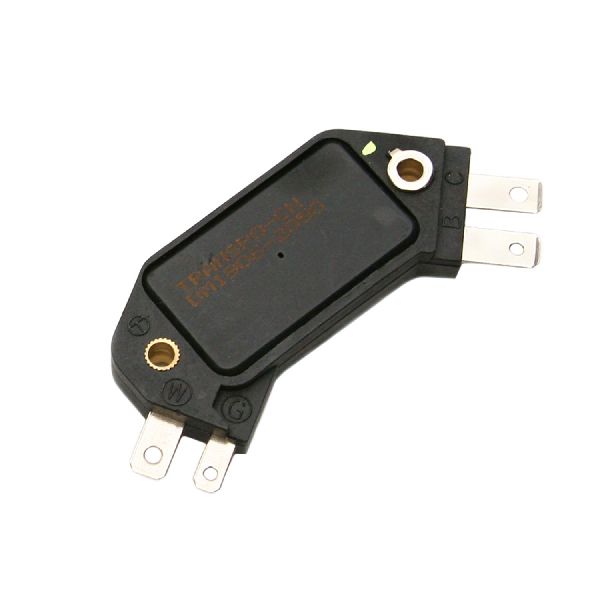
Standard 4-pin GM HEI (High Energy Ignition) module. Located inside the distributor.
We Have This Part in Stock


The information in this article is provided for general reference and educational purposes only. Vehicle specifications, procedures, and part compatibility can vary by production date, trim level, and region. Always consult your vehicle's factory service manual and verify part numbers before purchasing or performing repairs. Safety-critical components such as airbags, seat belts, and braking systems should be installed by a qualified professional.
- 🎬 Helpful Videos
- 🛍️ Shop This Part
- Understanding Your Caprice's Ignition Module
- Common Failure Symptoms
- Heat is the Enemy
- Choosing the Right Aftermarket Module
- Tier 1: Premium Aftermarket
- Tier 2: Performance Brands
- Tier 3: Budget-Friendly
- Cost of a New Ignition Control Module
- Frequently Asked Questions
- 🎟️ Get 5% Off