

Jeep J10 Distributor Cap Guide for 1974-1988 Models
Keep your classic J10 running strong by understanding when and how to replace your distributor cap.
- Confirm your engine (I6 or V8) before ordering, as the caps are different.
- Symptoms of failure include misfires, rough idle, and trouble starting.
- It is highly recommended to replace the distributor rotor at the same time as the cap.
- When replacing, move spark plug wires one by one to ensure the firing order remains correct.
Signs of a Failing Distributor Cap
A distributor cap is a wear item. Over time, the high voltage causes erosion on the metal terminals inside. Moisture and dirt can also cause problems. Look out for these signs that your J10's distributor cap needs replacing:
- Engine Misfires: The engine may stumble or hesitate, especially under load. This can feel like a stutter or a loss of power.
- Rough Idle: An inconsistent spark can make the engine run unevenly when the truck is stopped.
- Trouble Starting: A cracked or corroded cap can make it difficult to start the engine, especially in damp weather.
- Check Engine Light: On later models with more advanced diagnostics, a severe misfire could trigger a fault code.
- Visible Damage: If you inspect the cap, look for cracks, carbon tracks (black lines) between terminals, or heavy corrosion on the posts.
Visual Inspection is Key
On a vehicle like the J10, you are the primary diagnostic tool. Regularly open the hood and inspect the cap and wires. Look for any visible cracks or buildup. At night, you can sometimes see arcing or sparks jumping from a bad wire or a cracked cap, which is a sure sign of failure.
Choosing the Right Aftermarket Cap
Since original OEM parts for a 1974-1988 J10 are mostly unavailable, the aftermarket is your main source. Quality varies, so it's important to choose wisely. For ignition parts, spending a little more on a quality brand is a good investment.
Engine Type Matters
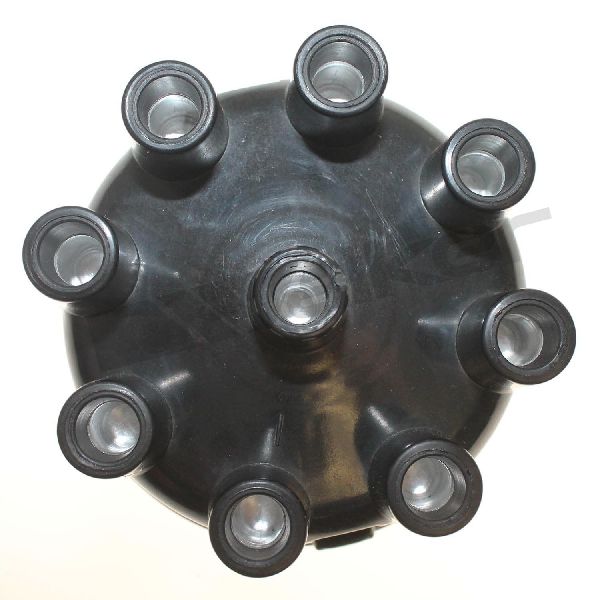
The most common mistake is ordering the wrong part. The 1974-1988 Jeep J10 was available with different engines, primarily the 258 cubic inch Inline-6 and the 360 cubic inch V8. These engines use different distributor caps. The V8 cap has nine towers (8 for spark plugs, 1 for the coil), while the I6 cap has seven. Always confirm your engine type before ordering.
Brand Quality Tiers
Based on owner feedback and brand reputation, here’s a general guide to the brands available:
- Good - Standard Ignition, Walker Products: These are established aftermarket brands that produce a wide range of ignition components to meet or exceed original specifications. They are generally considered reliable choices for a daily driver or work truck. Walker Products emphasizes their ISO-certified manufacturing process.
- Acceptable - Crown Automotive: Crown specializes in Jeep replacement parts and offers a 12-month warranty. They are often a go-to when other options are scarce. However, owner reviews are mixed; some find the parts perfectly adequate, while others have reported issues with fit and finish, attributing it to overseas manufacturing. It's a viable option, but inspect the part carefully before installation.
Look for Brass Terminals
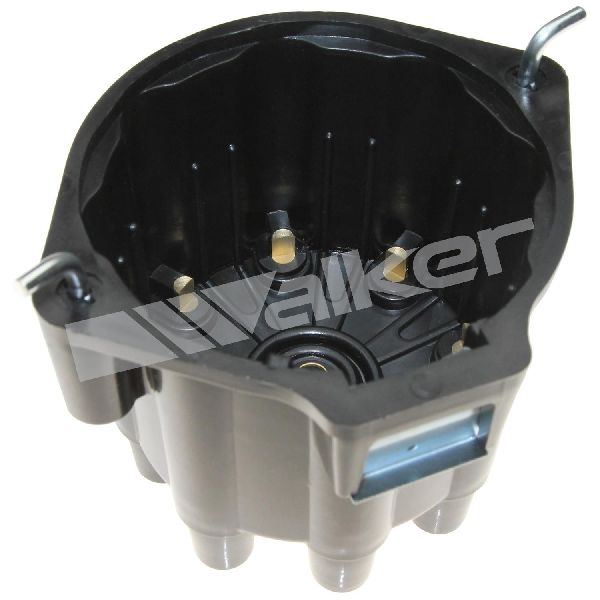
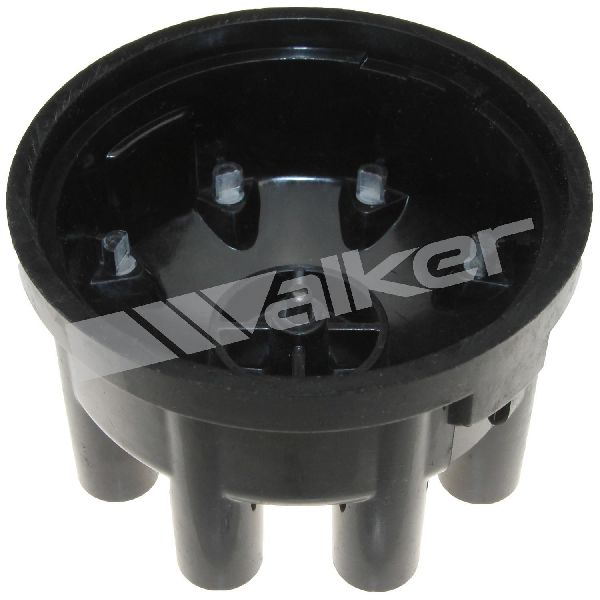
When choosing a cap, look for one with brass terminals instead of aluminum. Brass is a better conductor and is more resistant to corrosion, which can lead to a longer service life and more consistent performance. It's often a feature of higher-quality aftermarket parts.
Installation Considerations
Replacing the distributor cap is a straightforward job for a DIY mechanic. The key is to transfer the spark plug wires from the old cap to the new cap one at a time to maintain the correct firing order. Mixing up the wires is a common mistake that will prevent the engine from running. While you're replacing the cap, it is highly recommended to replace the rotor as well. The rotor is an inexpensive part that wears along with the cap.
Known Issues, Recalls, and Service Bulletins
There are no specific recalls or Technical Service Bulletins (TSBs) from the NHTSA related to the distributor cap for the 1974-1988 Jeep J10. Any ignition-related recalls for Jeeps are for much newer models and different types of ignition systems.
| Item | Cost Range |
|---|---|
| New Aftermarket Distributor Cap | $18.86 - $40.73 |
| New Aftermarket Rotor | $5 - $15 |
| Shop Labor for Cap & Rotor Replacement | $60 - $120 |
Frequently Asked Questions
Do I need to replace the rotor with the cap?
Yes, it is highly recommended. The rotor tip wears down just like the cap terminals. Since you already have the cap off, replacing the inexpensive rotor at the same time is smart preventative maintenance.
What is the most common mistake when replacing a distributor cap?
Mixing up the spark plug wires. The engine has a specific firing order, and the wires must be connected to the correct terminal on the cap. The best way to avoid this is to move the wires from the old cap to the new one, one by one.
My new cap is on, but the truck won't start. What did I do wrong?
First, double-check that the spark plug wires are in the correct order. Second, make sure you installed the new rotor; it's a part that is easy to forget. Third, ensure the cap is fully seated and not crooked, and that the coil wire is pushed in all the way.
Is there a difference between the V8 and 6-cylinder caps?
Yes, a big one. The AMC V8 (e.g., 360) and the AMC Inline-6 (e.g., 258) use completely different distributors and caps. You must order the correct cap for your specific engine.
Technical Specifications
OEM Part Numbers: J3230757
Varies by engine. The AMC 258 I6 requires a 7-terminal cap. The AMC 360 V8 requires a 9-terminal cap. Terminals are typically male/HEI style or female/socket style depending on the specific distributor. Terminal material can be aluminum or brass.
We Have This Part in Stock


The information in this article is provided for general reference and educational purposes only. Vehicle specifications, procedures, and part compatibility can vary by production date, trim level, and region. Always consult your vehicle's factory service manual and verify part numbers before purchasing or performing repairs. Safety-critical components such as airbags, seat belts, and braking systems should be installed by a qualified professional.