

Jeep J20 Universal Joint Replacement Guide (1974-1988)
Keep your classic J20 running smoothly by learning how to spot and replace a failing universal joint.
- Listen for clunks when shifting and feel for vibrations at speed, as these are the most common signs of a bad U-joint.
- For durability and strength, choose a premium non-greasable U-joint from Dana Spicer or Moog.
- A U-joint press tool or a shop press is highly recommended to avoid frustration and potential damage during replacement.
- A complete U-joint failure can cause the driveshaft to fall, leading to a loss of control and expensive secondary damage.
Symptoms of a Failing Universal Joint
A bad U-joint gives you some warning signs before it fails completely. Paying attention to these signs can save you from a costly repair and getting stranded. Your J20 is a simple, tough truck, and these symptoms are usually pretty obvious.
- Clunking Noise: The most common sign is a loud "clunk" or "ping" when you shift into Drive or Reverse. This is the sound of the worn-out joint taking up slack in the driveline.
- Vibrations: You might feel a vibration through the floor or seat, especially at higher speeds. This happens because the worn U-joint is causing the driveshaft to spin out of balance.
- Squeaking Sound: A steady, rotational squeak that changes with your speed is a classic sign of a U-joint that has lost its grease and is running dry.
- Visible Rust or Looseness: If you can get under the truck, try to twist the driveshaft by hand. If there's any play or movement at the U-joint, it's worn out. You might also see rust-colored dust around the bearing caps, which means the internal needle bearings have turned to dust.
Warning: A failed U-joint is a serious problem.
If a U-joint breaks while you're driving, the driveshaft can drop and dig into the pavement, potentially causing you to lose control. It can also damage your transmission, transfer case, or axle housing, turning a small repair into a huge one.
Choosing the Right Aftermarket U-Joint
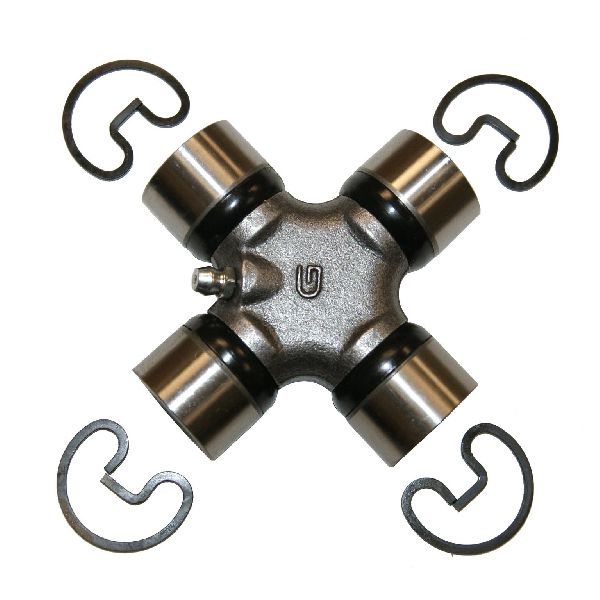
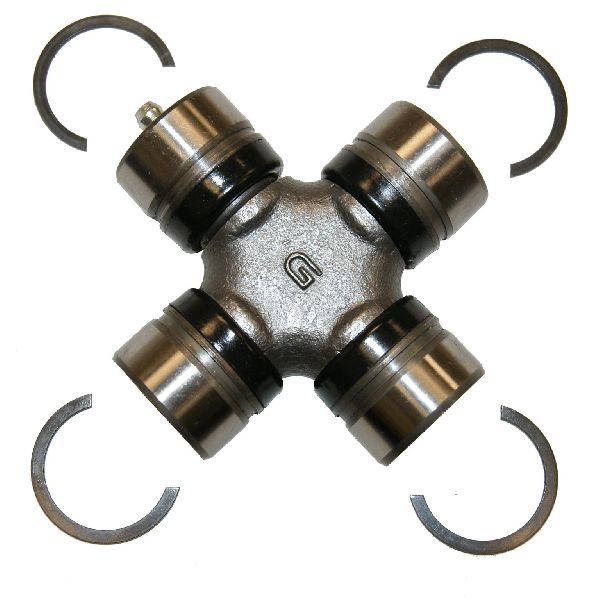
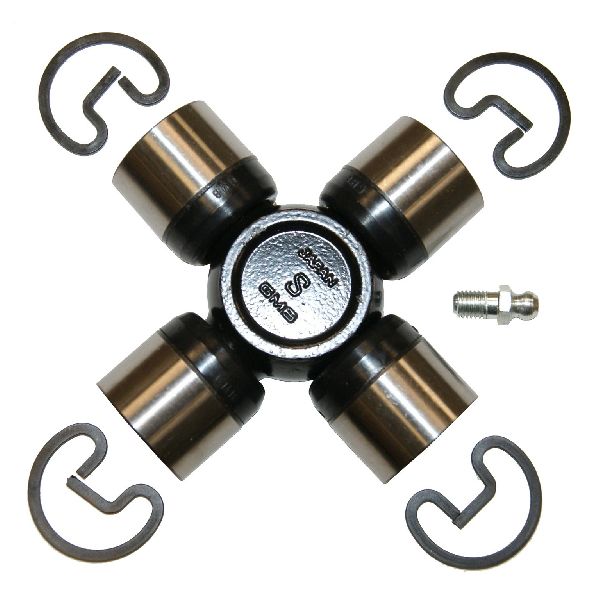
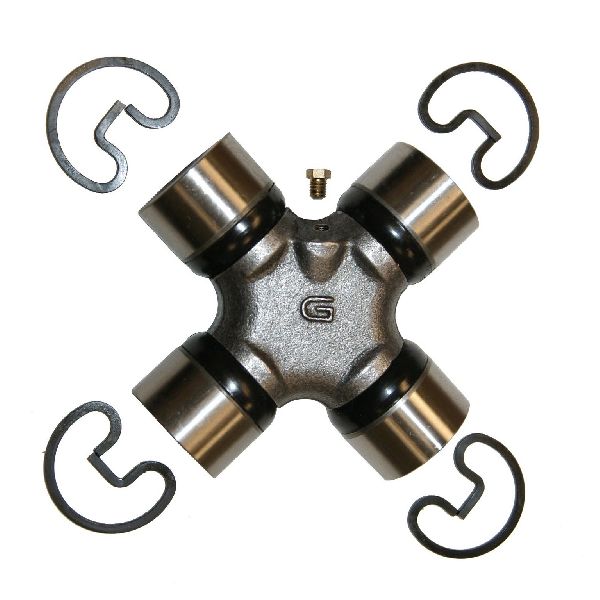
For a vehicle like the 1974-1988 J20, the original equipment manufacturer (OEM) was likely Dana-Spicer. Today, Dana-Spicer parts are still available and are considered a top-tier choice. The quality of premium aftermarket parts is often as good as, or even better than, the original parts from the 1970s and 80s.
Brand Quality Tiers
Not all aftermarket parts are created equal. Here’s a breakdown of the brands available for your J20:
- Tier 1 (Premium/OEM Quality): Dana Spicer Chassis and Moog are the top choices. Spicer is the original supplier and their non-greasable joints are considered the strongest and most durable option for heavy-duty use. Moog is a well-respected premium aftermarket brand known for quality, though some forum users note their quality can be inconsistent depending on the specific part. For maximum strength, especially in the front axle shafts, many Jeep owners prefer the non-greasable Spicer 5-760x U-joint.
- Tier 2 (Quality Aftermarket): SKF and GMB are solid, mid-range options. They offer a good balance of quality and price for a daily driver or light-duty truck. They are generally considered reliable replacements for standard use.
- Tier 3 (Budget/Economy): Crown Automotive and Omix-Ada specialize in Jeep replacement parts. While they offer a wide range of parts at a lower price, their quality can be inconsistent according to owner reviews. These are best used for a truck that sees limited use or if you're on a tight budget, but for a critical part like a U-joint, spending a little more for a Tier 1 or Tier 2 brand is highly recommended.
Pro-Tip: Greasable vs. Non-Greasable (Sealed)
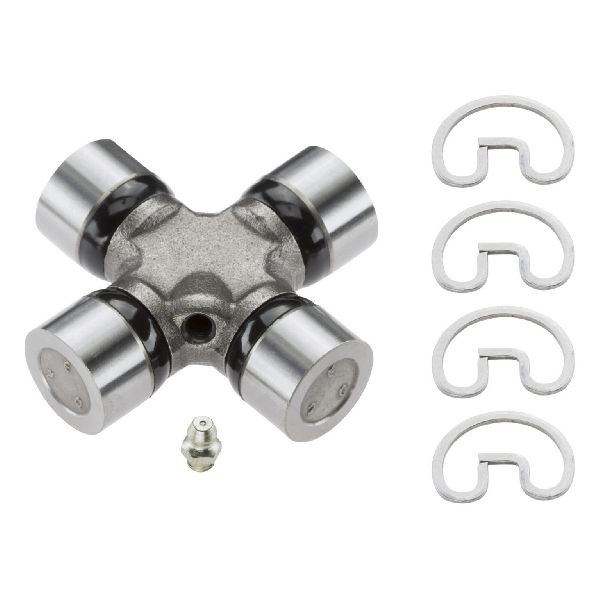
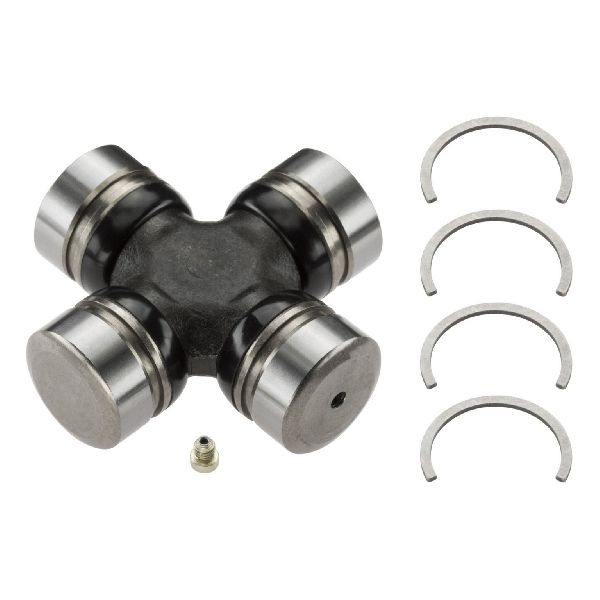
You'll see options for both greasable and non-greasable (sealed) U-joints. Greasable joints have a zerk fitting that allows you to add fresh grease, which can extend their life if done regularly. However, the channels drilled for the grease make the U-joint cross slightly weaker. Non-greasable joints are sealed from the factory and are generally stronger, making them the preferred choice for heavy-duty off-road use or for owners who prefer a low-maintenance option.
Estimated Replacement Costs
The cost to replace a U-joint can vary depending on whether you do it yourself or have a shop do the work. The parts themselves are relatively inexpensive.
| Part/Service | Estimated Cost |
|---|---|
| New Aftermarket U-Joint | $18.53 - $50.04 |
| Shop Labor | $150 - $300 per joint |
| Total Professional Replacement | $170 - $350 per joint |
Cost estimates are for a single U-joint and can vary by location and shop.
Frequently Asked Questions (FAQ)
How many U-joints does my 1974-1988 Jeep J20 have?
Your J20 has multiple U-joints. Typically, there are two on the rear driveshaft and two or three on the front driveshaft (depending on if it has a CV joint at the transfer case). Additionally, there is one U-joint in each front axle shaft, located inside the steering knuckles. It's a good idea to inspect all of them if you suspect one is failing.
Is replacing a U-joint a difficult DIY job?
It can be. The difficulty rating is moderate. While the steps are straightforward, removing the old U-joint can be very difficult without the right tools. They are pressed into the yokes and can be seized by rust. A bench vise and a large socket/hammer can work, but a dedicated U-joint press or a hydraulic shop press makes the job much easier and safer. If you're not comfortable with heavy hammering or using a press, it might be best to take the driveshaft to a mechanic.
Do I need any special tools?
Yes, special tools are highly recommended. A U-joint press tool (a large C-clamp style tool) is the most common DIY tool. A shop press is the best tool for the job. You will also need basic hand tools, sockets, a good hammer, and possibly a wire brush to clean up rust.
Were there any recalls for Jeep J20 U-joints?
No, searches of the National Highway Traffic Safety Administration (NHTSA) database and other historical records show no specific recalls or widespread Technical Service Bulletins (TSBs) for universal joints on the 1974-1988 Jeep J20. Failures are typically due to age, wear, and lack of lubrication rather than a manufacturing defect.
Technical Specifications
OEM Part Numbers: J8126608 J8122993 J0909476
Common U-joint series for driveshafts include 1310. Common front axle shaft U-joints include the 5-297x or the stronger, upgraded 5-760x. Always measure your old U-joint's cap diameter and width to confirm fitment before ordering.
We Have This Part in Stock

The information in this article is provided for general reference and educational purposes only. Vehicle specifications, procedures, and part compatibility can vary by production date, trim level, and region. Always consult your vehicle's factory service manual and verify part numbers before purchasing or performing repairs. Safety-critical components such as airbags, seat belts, and braking systems should be installed by a qualified professional.