

Choosing a New Aftermarket Alternator for Your 1974-1992 Dodge Ramcharger
Keep your classic Ramcharger's electrical system running strong by picking the right replacement alternator.
- Verify if your Ramcharger uses an external voltage regulator, as it can be a separate point of failure.
- Choose a high-output alternator (95+ amps) if you have added electrical accessories like off-road lights or a winch.
- Before buying, confirm if the new alternator is internally or externally regulated to match your truck's system or your upgrade plans.
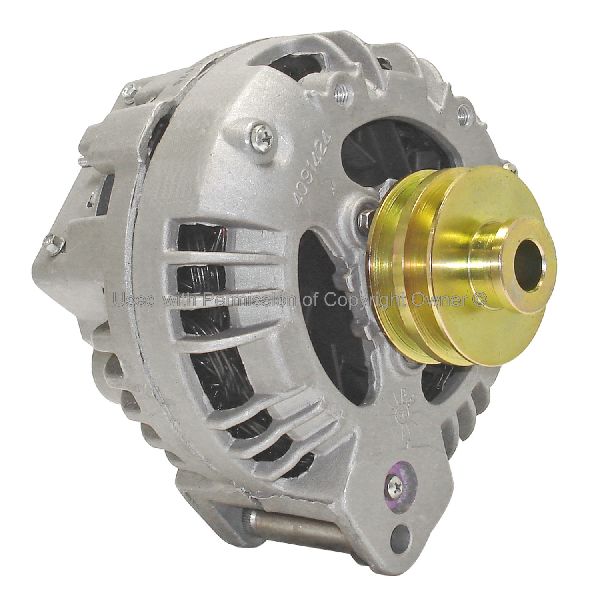
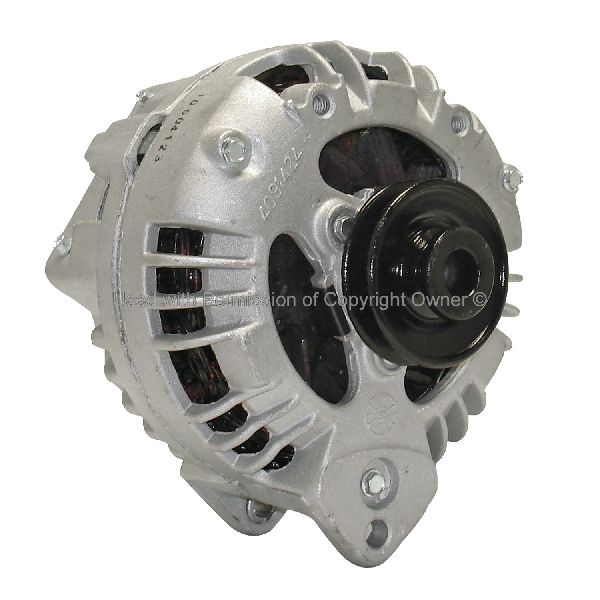
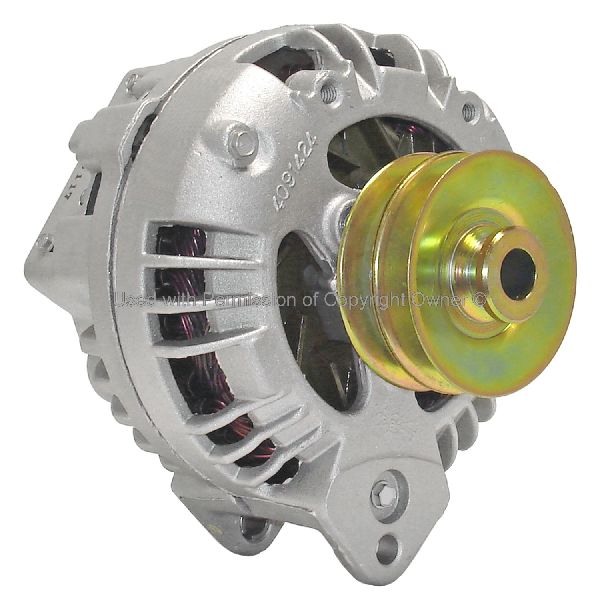
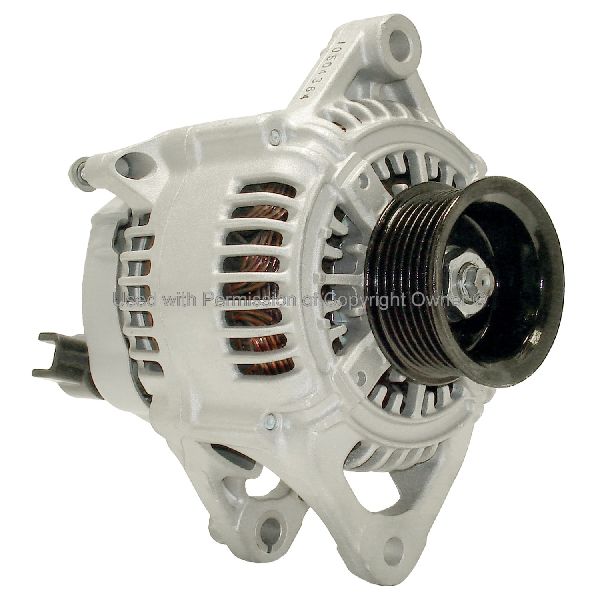
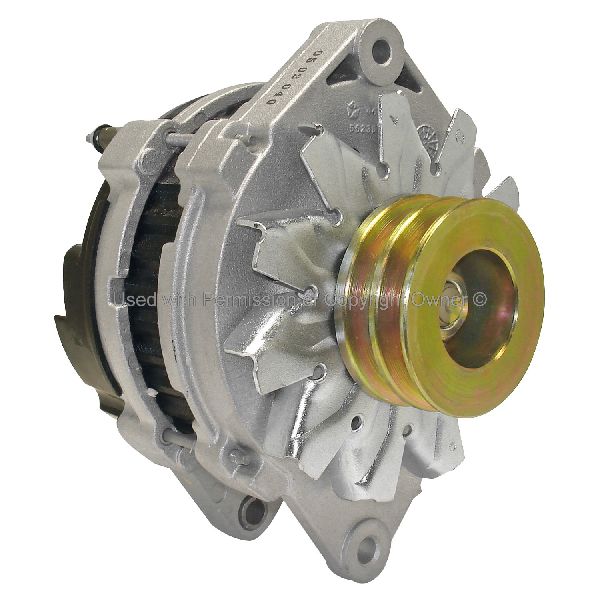
- Always compare the pulley on the new alternator to your old one and be prepared to swap it.
Is Your Ramcharger's Alternator Failing?
An alternator rarely fails without warning. For a 1974-1992 Ramcharger, the signs are usually obvious. Because these trucks have fewer complex electronics, you'll notice the basics starting to act up. If you see these symptoms, it's time to inspect your charging system.
- Dimming Lights: Headlights and dash lights that are dim or flicker, especially at idle, are a classic sign the alternator can't keep up.
- Ammeter Gauge Issues: The factory ammeter on your dash showing a consistent discharge or staying at zero indicates a charging problem.
- Slow Cranking or Dead Battery: The alternator's job is to recharge the battery. If it's failing, your battery will drain, making it hard to start the engine.
- Squealing or Grinding Noises: A high-pitched squeal can mean a loose or worn belt, while a grinding or whining noise often points to bad bearings inside the alternator itself.
External Voltage Regulator Issues
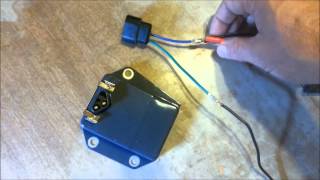
Many Ramchargers from this period use an external voltage regulator. Sometimes, the regulator fails, not the alternator. If you replace the alternator but still have charging problems, the regulator or the wiring between the two could be the culprit. Some owners choose to bypass a faulty factory regulator by installing a new, separate one.
🎬 Watch how to bypass a faulty ECM with an external regulator.Choosing the Right Aftermarket Alternator
Since new OEM alternators for these trucks are long gone, your choice is between remanufactured and new aftermarket units. For a classic vehicle like the Ramcharger, a new aftermarket alternator is often a great choice, providing modern reliability and sometimes higher performance.
Amperage: Stock vs. High-Output
The most important factor is the alternator's amperage (amp) rating. This measures its electrical output.
- Stock Amperage (60-78 Amps): If your Ramcharger is mostly original without major electrical additions, a stock-level output alternator is usually sufficient.
- High-Output (95+ Amps): If you've added accessories like a powerful stereo, off-road lights, a winch, or an electric fuel pump for an EFI conversion, you need more power. A high-output alternator from a brand like Powermaster can provide the necessary amperage to keep everything running without draining your battery. Upgrading may require running a heavier gauge wire from the alternator to the battery to handle the extra current.
A Note on Brands
Not all aftermarket brands are created equal. They generally fall into a few tiers:
- Performance/Premium (Powermaster, Proform, some Bosch): These brands are known for high-output options and robust construction, making them ideal for modified trucks. Powermaster is a popular choice for Mopar enthusiasts looking for a significant power boost.
- OE-Quality Replacement (Bosch, Remy): Bosch and Remy are respected names that often supply original parts to car manufacturers. A new or remanufactured unit from these brands is typically a reliable, direct-fit replacement for a stock vehicle.
- Standard Aftermarket (ACDelco, BBB Industries, MPA): These brands offer affordable replacements. Quality can sometimes be inconsistent, with some users reporting early failures. However, they can be a good budget-friendly option, especially if backed by a good warranty. It's often recommended to have these units tested at the parts store before leaving.
Pro Tip: Check Your Pulley
When you buy a new alternator, it may not come with a pulley, or it might have the wrong one (e.g., a single-groove pulley when you need a dual-groove). Always compare the new part to your old one and be prepared to swap the pulley over.
Cost of a New Aftermarket Alternator
| Category | Estimated Cost |
|---|---|
| New Aftermarket Alternator | $45 - $450 |
| Shop Labor | $100 - $200 |
Frequently Asked Questions
Can I replace the alternator myself?
Yes, for most owners with basic mechanical skills, this is a very doable DIY job. Access in the engine bay of a 1974-1992 Ramcharger is generally good. The process involves disconnecting the battery, loosening the drive belt, removing a few bolts and electrical connectors, and swapping the part.
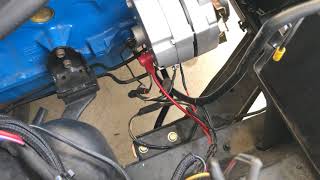
🎬 See a step-by-step alternator installation on a Dodge truck.What is an external voltage regulator?
It's a component, separate from the alternator, that controls the alternator's voltage output to prevent it from overcharging or undercharging the battery. On many older Chrysler vehicles, this was a small box mounted on the firewall. Later vehicles integrated the regulator inside the alternator or the engine computer (ECM).
Should I convert to an internally regulated alternator?
Some owners choose to upgrade to a more modern, internally regulated alternator. This can simplify wiring and improve charging response. This is a common modification, especially when installing a high-output unit, but it requires wiring changes to bypass the old external regulator.
What's a "one-wire" alternator?
A one-wire alternator is a type of internally regulated alternator that is very simple to install. It only requires a single wire connected from its output post to the battery's positive terminal. This is a popular choice for custom builds and engine swaps because it cleans up the engine bay wiring.
🎬 Learn how to convert to a simple one-wire alternator setup.Helpful Videos
Technical Specifications
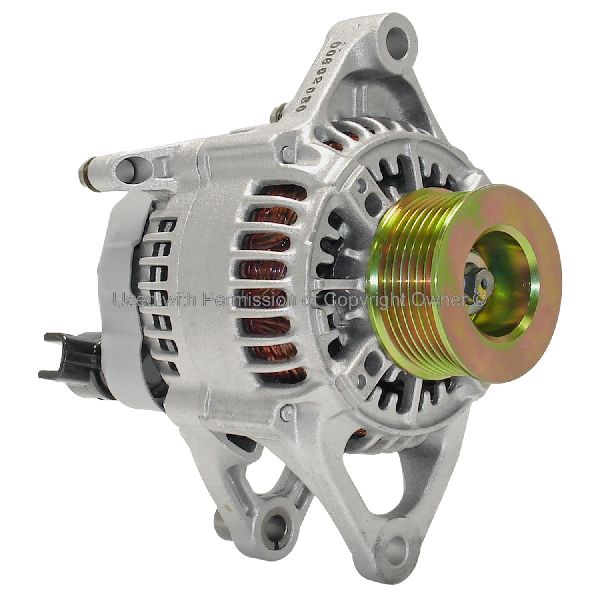
For the 1974-1992 Dodge Ramcharger, alternators are typically of the 'square-back' or 'round-back' Chrysler design. Most models in this range utilize an external voltage regulator. Stock amperage output was generally between 60 and 78 amps. Aftermarket options are available with both external and internal regulation, including one-wire setups.
We Have This Part in Stock

The information in this article is provided for general reference and educational purposes only. Vehicle specifications, procedures, and part compatibility can vary by production date, trim level, and region. Always consult your vehicle's factory service manual and verify part numbers before purchasing or performing repairs. Safety-critical components such as airbags, seat belts, and braking systems should be installed by a qualified professional.
- 🎬 Helpful Videos
- 🛍️ Shop This Part
- Is Your Ramcharger's Alternator Failing?
- External Voltage Regulator Issues
- Choosing the Right Aftermarket Alternator
- Amperage: Stock vs. High-Output
- A Note on Brands
- Pro Tip: Check Your Pulley
- Cost of a New Aftermarket Alternator
- Frequently Asked Questions
- 🎟️ Get 5% Off