

Engine Coolant Temperature Sensor Guide for the 1975-1976 BMW 3.0Si
Keep your classic 3.0Si running smoothly by understanding this critical, easy-to-replace sensor.
- A failing ECT sensor on your 3.0Si will cause poor running conditions like bad fuel economy, hard starting, and black smoke.
- Your car likely has two temperature sensors; make sure you are replacing the one for the fuel injection ECU, not the one for the dash gauge.
- Replacement is simple and can be done with basic tools in under 30 minutes.
- Reputable aftermarket brands like Beck Arnley or Standard Ignition are solid choices, while value brands offer a lower-cost alternative for this simple part.
Is a faulty coolant temp sensor causing your 3.0Si's engine problems?
The Engine Coolant Temperature (ECT) sensor is a small but critical component for your classic BMW. It provides essential data to the fuel injection computer. When it fails, it can cause a range of issues from poor starting to bad fuel economy. Because these cars pre-date modern OBD-II diagnostics, you won't get a specific error code, so you have to rely on observing the symptoms.
Symptoms of a Bad ECT Sensor
- Hard Starting (Especially Cold): A faulty sensor might not tell the ECU to enrich the fuel mixture, making the engine difficult to start when cold.
- Poor Fuel Economy: If the sensor is stuck telling the ECU the engine is always cold, the system will constantly run a rich fuel mixture, wasting gas.
- Black Smoke from Exhaust: A sign of unburnt fuel, this often happens when the engine runs too rich because of a bad sensor reading.
- Rough Idling: The ECU relies on accurate temperature data to maintain a smooth idle. Incorrect information can cause the engine to idle poorly.
- Engine Stalling: In some cases, a failing sensor can contribute to the engine cutting out, especially as it warms up.
Don't Confuse the Sensors
Many classic BMWs have two coolant temperature sensors located near each other. One sends information to the ECU for fuel mixture control (often with a blue or white connector), and the other sends a signal to the temperature gauge on your dashboard (often with a brown connector). Make sure you are replacing the correct sensor for the problem you're having. The sensor for the ECU is the one that affects engine performance.
Choosing the Right Aftermarket Sensor
For a vintage vehicle like the 1975-1976 3.0Si, the distinction between Original Equipment (OE) and aftermarket parts can be blurry. The original part was likely made by Bosch, and many aftermarket brands may source their sensors from the same or similar high-quality manufacturers. The key is choosing a reputable brand.
| Brand | General Quality & Reputation | Price Tier |
|---|---|---|
| Beck Arnley | Known for sourcing parts that meet OE specifications for form, fit, and function. They focus on foreign nameplate vehicles and are generally considered a reliable choice. | $$ (Mid-Range) |
| Standard Ignition (SMP) | A large, established manufacturer of aftermarket parts. Their products, like the "Intermotor" line, are widely available and considered a standard replacement-quality option. | $$ (Mid-Range) |
| URO Parts | Often the most budget-friendly option. For simple electronic components, they can be a good value. However, some users report fitment or quality issues with more complex parts or plastic components. For a simple sensor, the risk is relatively low. | $ (Value) |
| True Tech | This brand is likely a private label or a value-focused line. Quality can be inconsistent. It's the most economical choice but may have a shorter lifespan than higher-tier brands. | $ (Value) |
Pro Tip: Consider Replacing the Connector
After 50 years, the plastic connector and wiring for the sensor can become brittle and fail. If the connector housing is cracked or the wires are frayed, it's a good idea to replace the connector pigtail at the same time as the sensor to ensure a solid connection.
Frequently Asked Questions (FAQ)
Where is the ECT sensor located on my 3.0Si?
The engine coolant temperature sensor is typically located in the engine's cylinder head or thermostat housing, screwed into a coolant passage. On the M30 engine used in the 3.0Si, there are often two sensors near the thermostat housing at the front of the engine.
Are there any recalls for this part?
A search of the National Highway Traffic Safety Administration (NHTSA) database shows no recalls specifically for the engine coolant temperature sensor on the 1975-1976 BMW 3.0Si.
Is this a difficult part to replace myself?
No, this is a very feasible DIY job for most owners. It typically requires basic hand tools. The sensor simply unplugs and unscrews. You will lose a small amount of coolant, so have a rag ready. It's a good idea to perform the replacement on a cold engine to avoid burns.
Should I replace anything else at the same time?
Since a faulty thermostat can sometimes cause similar incorrect temperature readings, and because you are working in the same area, it's common to replace the thermostat at the same time. Also, inspect the sensor's electrical connector for damage or corrosion.
Technical Specifications
OEM Part Numbers: 13621357414 13621284397 62110788115
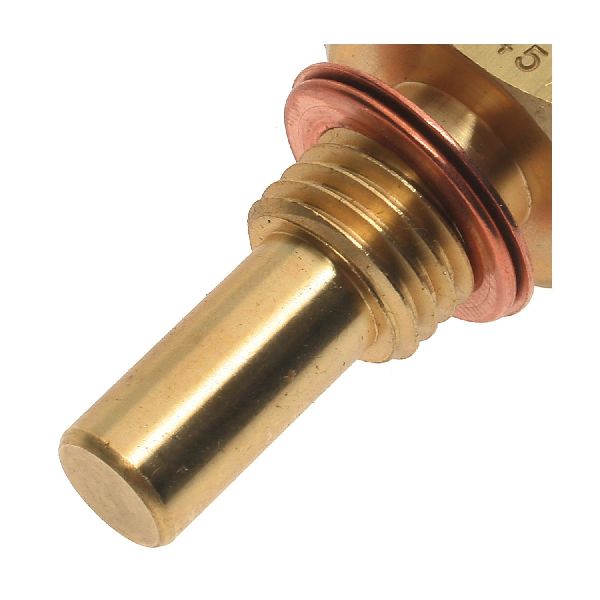
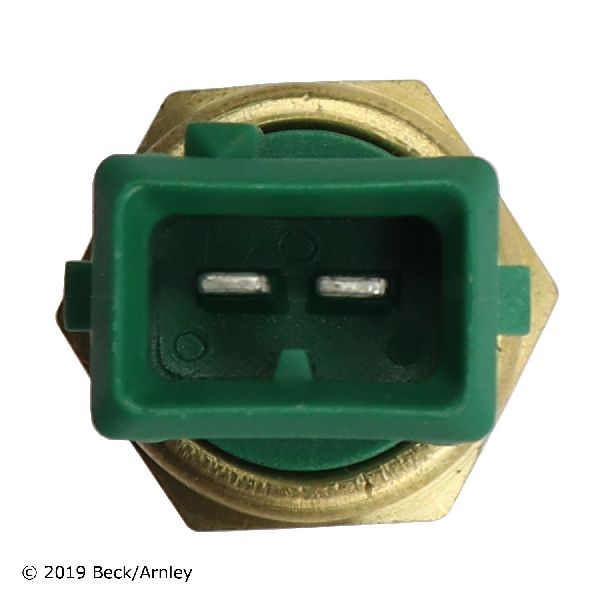
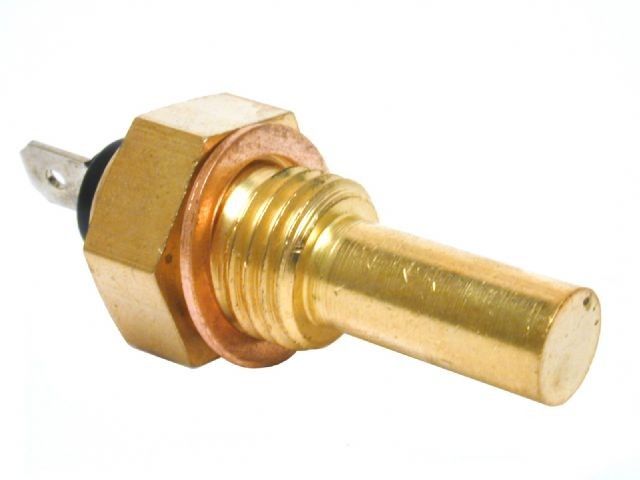
Typically a 2-prong sensor that provides variable resistance to the ECU based on coolant temperature. The fuel injection sensor for many Bosch systems of this era is rated at 2500 Ohms at 20°C (68°F).
We Have This Part in Stock


The information in this article is provided for general reference and educational purposes only. Vehicle specifications, procedures, and part compatibility can vary by production date, trim level, and region. Always consult your vehicle's factory service manual and verify part numbers before purchasing or performing repairs. Safety-critical components such as airbags, seat belts, and braking systems should be installed by a qualified professional.