

Choosing the Right Starter Motor for Your 1975-1976 Ford Elite
Everything you need to know to get your classic Ford Elite cranking over reliably every time.
- Heat soak is a very common problem; upgrading to a modern gear-reduction starter is the best fix.
- Symptoms like a 'click' with no crank often point to the starter system, but always check the battery and cables first.
- The starter relay (solenoid) is on the fender, not the starter itself, and is a common failure point.
- For reliability and performance, brands like Powermaster and MSD are highly recommended by classic Ford owners.
Symptoms of a Failing Starter Motor
A bad starter can leave you stranded. Recognizing the warning signs can save you a major headache. Pay attention if your Elite exhibits any of these symptoms:
- Single Loud Click, No Crank: You turn the key and hear one sharp "click" from under the hood, but the engine doesn't turn over. This often points to a failed starter solenoid, which is part of the starter system on these Fords.
- Slow, Labored Cranking: The engine turns over much slower than usual, as if the battery is weak. If the battery and cables are good, the starter motor itself may be wearing out and drawing too much power.
- Grinding or Whirring Noises: If you hear a grinding noise when trying to start the engine, it could be the starter gear failing to engage properly with the flywheel. A high-pitched whirring sound after the engine has started may mean the starter is not disengaging.
- Heat Soak Issues: A very common problem with these classic Fords is starter heat soak. After a long drive, the engine is hot. You shut it off, run into a store, and when you come back out, the car won't crank. After it cools down for 15-30 minutes, it starts right up. This happens because heat from the engine and exhaust increases the starter's internal resistance, preventing it from working until it cools.
- No Sound at All: You turn the key and get nothing—no click, no crank, nothing. While this can be caused by other issues (like a dead battery or bad ignition switch), a completely dead starter is a possibility.
Check the Basics First!
Many starter problems are actually battery or wiring problems in disguise. Before you replace the starter, make sure your battery is fully charged and the terminals are clean and tight. Also, inspect the thick battery cables running to the fender-mounted solenoid and down to the starter for corrosion or damage. A bad ground connection is a common culprit for starting issues on older vehicles.
Choosing Your New Aftermarket Starter
For a 1975-1976 model, finding a brand-new OEM starter is nearly impossible. Your choices are remanufactured units or, more commonly, new aftermarket starters. Modern aftermarket starters offer significant advantages over the original design.
Stock Replacement vs. High-Torque Gear Reduction
You'll see two main types of starters available:
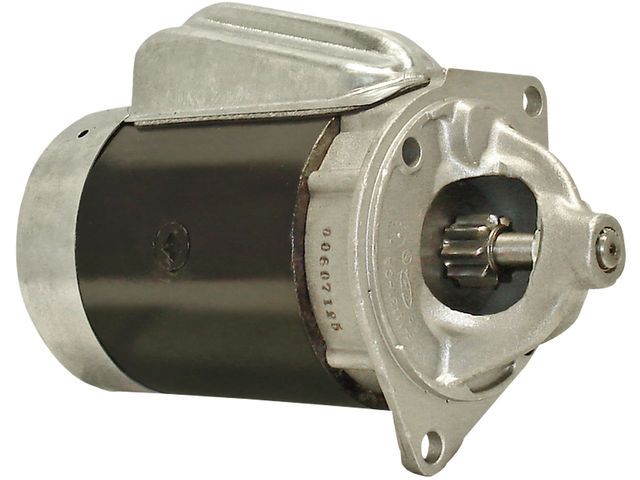
- Stock Replacement (Direct-Drive): These are built to the original Ford specifications. They are large, heavy, and can be prone to the same heat soak issues as the original. They are a fine choice for a perfectly stock, show-correct car, but better technology exists.
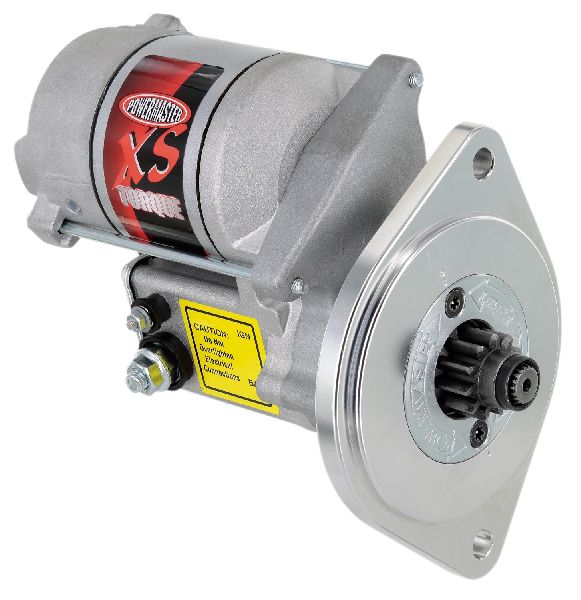
- High-Torque Gear Reduction (Mini Starters): This is the modern upgrade. These starters use a set of internal gears to multiply the motor's torque. This means they can be smaller, lighter, and much more powerful than the old direct-drive units. They spin the engine over faster for quicker starts and are far less susceptible to heat soak. For most owners, this is the best choice.
Pro Tip: The Gear Reduction Upgrade
Unless you are doing a 100-point concours restoration, a high-torque gear reduction starter is the single best starting-system upgrade you can make. Brands like Powermaster and MSD specialize in these and they solve many of the common issues classic Ford owners face, especially heat soak.
Aftermarket Brand Tiers
The brands available offer a range of quality and performance.
- Premium/Performance (Powermaster, MSD, Ford Performance): These brands are the top of the line. Powermaster and MSD are highly regarded for their powerful and reliable gear-reduction starters that solve heat soak problems. They are often smaller, which helps with clearance around exhaust headers. Ford Performance parts offer OEM-level quality with a performance focus. Expect to pay more, but the quality and reliability are worth it for a car you want to drive regularly.
- Standard/Mid-Grade (ACDelco, Proform, Mr Gasket): These brands offer a good balance of price and quality. ACDelco has a professional line that services non-GM vehicles and is generally reliable. Proform and Mr Gasket are known for performance-oriented parts that are a step up from basic replacements.
- Economy (MPA): MPA is a large supplier of both new and remanufactured parts. While they offer a budget-friendly option, quality can sometimes be inconsistent compared to premium brands. These can be a viable option if budget is the primary concern.
Cost of a New Starter Motor (1975-1976 Ford Elite)
| Part Type | Estimated Part Cost |
|---|---|
| New Aftermarket (Standard) | $72 - $150 |
| New Aftermarket (High-Torque/Performance) | $180 - $392 |
| Shop Labor for Installation | $100 - $200 |
Note: Costs are estimates and can vary based on brand, location, and specific vehicle configuration.
Frequently Asked Questions (FAQ)
Is it hard to replace the starter on a '75-'76 Elite?
No, it's generally considered a straightforward job for a DIY mechanic. It involves disconnecting the battery, raising the front of the vehicle, removing one electrical cable and two mounting bolts. Access can be tight, especially with certain exhaust manifolds, but it typically does not require special tools.
What is a starter solenoid and is it part of the starter?
On your Ford Elite, the main high-current switch, often called the starter relay or solenoid, is mounted separately on the fender wall, not on the starter itself. When you turn the key, this relay sends the main power down to the starter motor. A "click" with no crank often points to a failure of this fender-mounted relay. Some modern gear-reduction starters may have their own built-in solenoid, requiring a slight wiring modification.
Are there any recalls for the starter on my Ford Elite?
No. A search of the National Highway Traffic Safety Administration (NHTSA) database shows no recalls or specific investigations related to the starter motor for the 1975-1976 Ford Elite. Given the age of the vehicle, any such issues would have been addressed decades ago.
Should I buy a new starter or a remanufactured one?
For this vehicle, a new aftermarket starter, especially a gear-reduction model, is often the best choice. While remanufactured units using original Ford casings can be good, some forum users report inconsistent quality from major parts stores. A new, modern-design starter from a reputable brand like Powermaster or MSD offers better technology and reliability.
Technical Specifications
The 1975-1976 Ford Elite was available with several V8 engines, including the 351M, 400, and 460. All use a similar 2-bolt, top-mount starter design with an external fender-mounted solenoid. Aftermarket high-torque starters often feature a 4.4:1 gear reduction ratio and are significantly lighter than the original units.
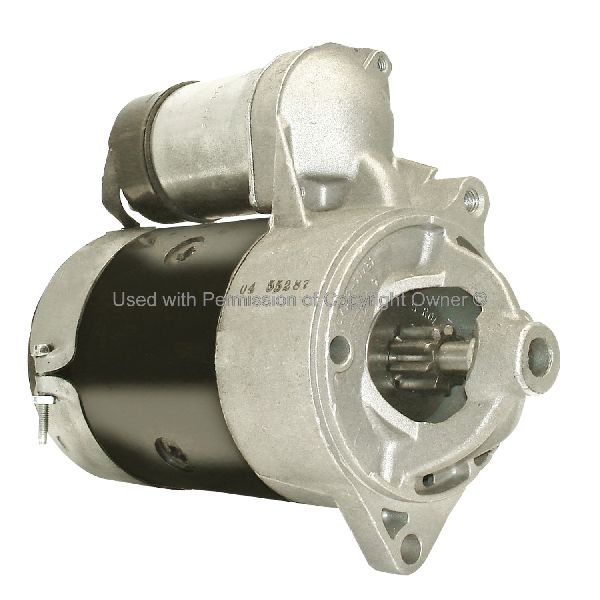
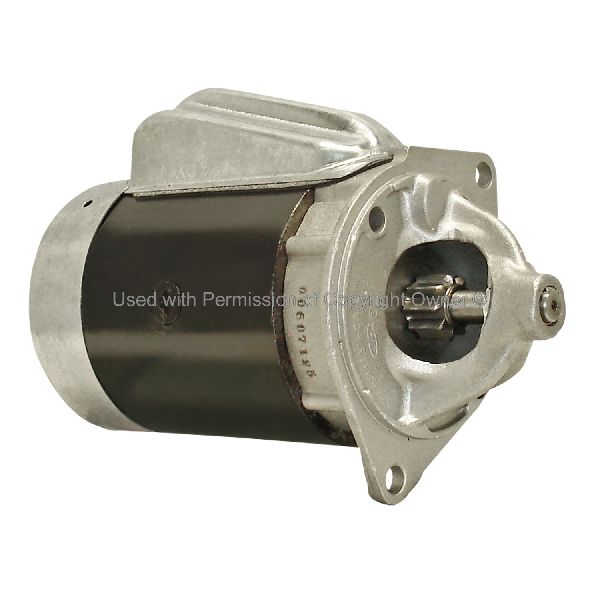
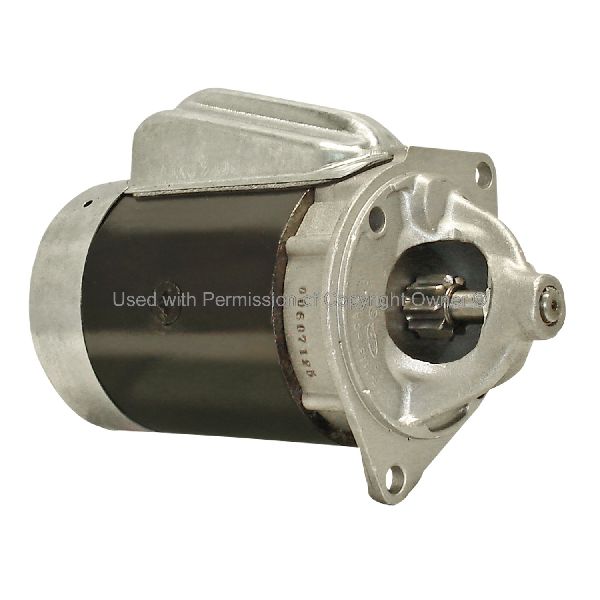
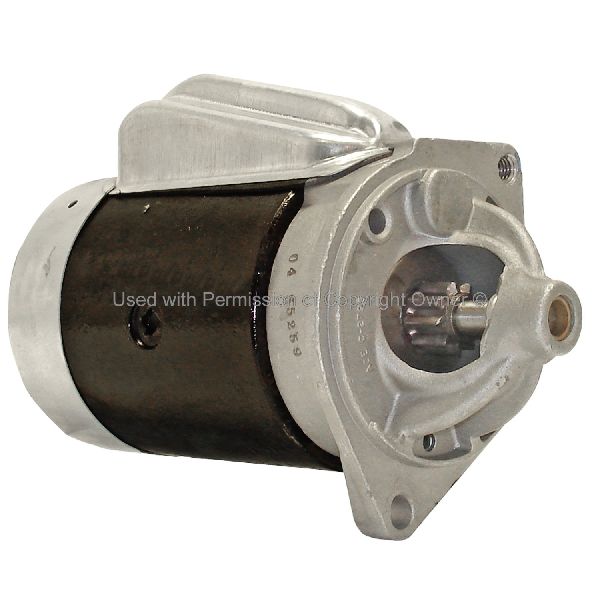
We Have This Part in Stock

The information in this article is provided for general reference and educational purposes only. Vehicle specifications, procedures, and part compatibility can vary by production date, trim level, and region. Always consult your vehicle's factory service manual and verify part numbers before purchasing or performing repairs. Safety-critical components such as airbags, seat belts, and braking systems should be installed by a qualified professional.
- 🛍️ Shop This Part
- Symptoms of a Failing Starter Motor
- Check the Basics First!
- Choosing Your New Aftermarket Starter
- Stock Replacement vs. High-Torque Gear Reduction
- Pro Tip: The Gear Reduction Upgrade
- Aftermarket Brand Tiers
- Cost of a New Starter Motor (1975-1976 Ford Elite)
- Frequently Asked Questions (FAQ)
- 🎟️ Get 5% Off