

Catalytic Converter Guide for 1975-1978 Dodge W300 Trucks
Everything you need to know about replacing the catalytic converter on your classic Dodge W300.
- Replacements for the W300 are universal-fit, requiring cutting and welding.
- Engine issues, like a rich-running carburetor, must be fixed before replacing the converter to prevent repeat failure.
- Symptoms are physical (power loss, rattling) rather than electronic, as these trucks lack modern check engine lights.
- MagnaFlow is a premium, durable option, while Eastern Catalytic offers a reliable, budget-friendly choice.
Is Your W300's Catalytic Converter Failing?
For trucks as old as the 1975-1978 Dodge W300, the original catalytic converter has likely been replaced at least once. If you're experiencing new issues, it's important to know the signs of a failing aftermarket converter. These trucks have carbureted engines, which can sometimes run rich (too much fuel), causing a converter to overheat and fail prematurely.
Key Symptoms of a Bad Converter:
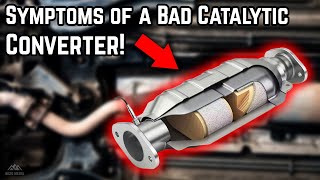
🎬 Watch this video to identify common signs of converter failure.- Sluggish Engine Power: If your truck feels weak and struggles to accelerate, the converter might be clogged. A clogged converter creates backpressure, which chokes the engine and prevents it from breathing properly.
- Rattling Noises: A rattling or clunking sound from under the truck can mean the ceramic honeycomb inside the converter has broken apart.
- Rotten Egg Smell: A distinct sulfur or rotten egg smell from the exhaust is a classic sign. It means the converter isn't properly processing the exhaust gases.
- Failed Emissions Test: If your state requires emissions testing for classic vehicles, a bad converter is an automatic failure.
A Clogged Converter Can Damage Your Engine
Ignoring a clogged catalytic converter is a bad idea. The excessive backpressure can lead to serious engine problems, including blown seals or even complete engine failure over time. If you suspect a clog, it's best to address it immediately.
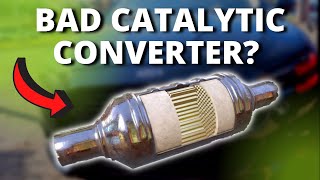
🎬 Learn more about the symptoms of a failing catalytic converter.Choosing the Right Aftermarket Converter
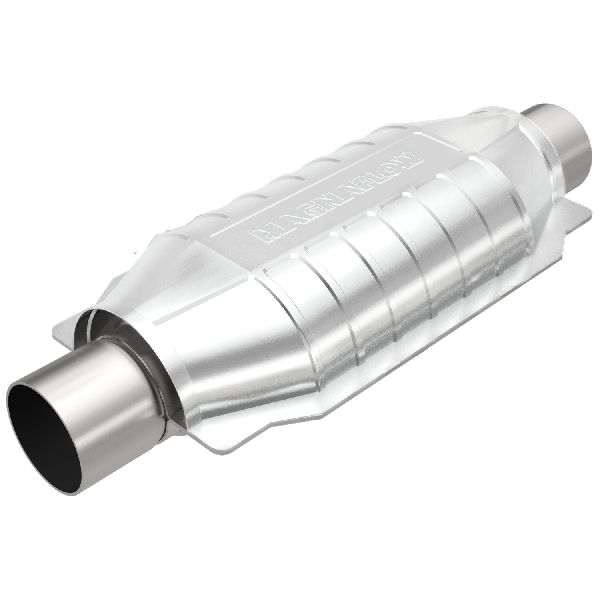
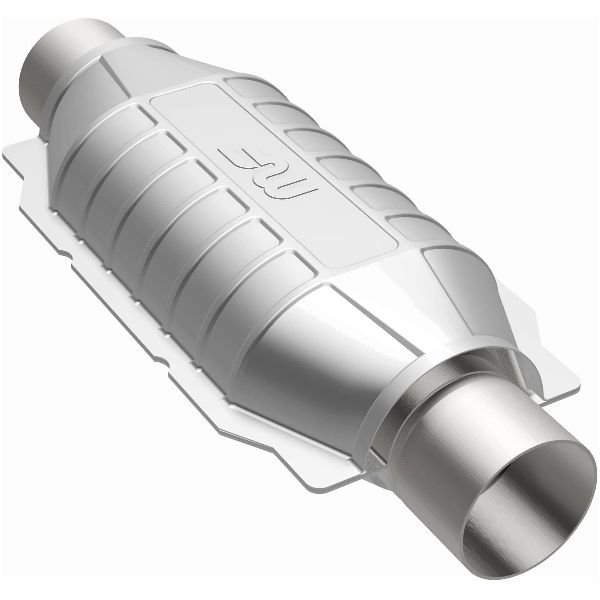
Finding a new OEM catalytic converter from Dodge for a 1975-1978 W300 is virtually impossible. The market for these trucks consists entirely of new aftermarket parts. For this specific vehicle, you will most likely need a universal fit converter. This is not a simple bolt-on part; it requires cutting the old converter out and welding the new one into place.
Brand Tiers:
- MagnaFlow: Often considered a higher-quality option, MagnaFlow converters are known for their durable stainless steel construction and reliable performance. They are a preferred brand for many exhaust shops and DIY mechanics who want a part that lasts.
- Eastern Catalytic: This brand provides a solid, budget-friendly alternative. They are a popular choice for getting a vehicle to pass emissions without the higher cost of premium brands, offering good value for the price.
Pro Tip: Fix the Cause, Not Just the Symptom
Catalytic converters usually fail because of another problem. The most common cause on a carbureted truck like the W300 is an engine running too rich. Before installing your new converter, make sure your carburetor is tuned correctly and you don't have any engine misfires. Fixing the root cause will prevent your new converter from failing prematurely.
Replacement Cost Overview
The cost to replace the catalytic converter on your W300 involves the part itself and the labor for installation. Since these are universal, weld-in parts, professional installation is recommended unless you are an experienced welder.
| Item | Estimated Cost |
|---|---|
| New Aftermarket Converter (Universal) | $119 - $480 |
| Shop Labor (Welding & Installation) | $150 - $400 |
| Total Estimated Cost | $269 - $880 |
Frequently Asked Questions
Do I legally need a catalytic converter on my 1975-1978 W300?
Yes, federal law requires a catalytic converter if the vehicle was originally equipped with one, which includes all 1975 and newer light trucks. State and local laws may vary on emissions testing for classic vehicles, but removing the converter is illegal.
What's the difference between a universal and direct-fit converter?
A direct-fit converter is designed to bolt directly onto a specific vehicle with no modifications. A universal converter is designed to fit a wide range of vehicles but requires cutting and welding for proper installation. For the '75-'78 W300, universal converters are the most common and available option.
Can I install a universal converter myself?
Only if you have the right tools and experience. This job requires cutting the exhaust pipe and welding the new converter in place. For most owners, it's safer and more effective to have an exhaust shop perform the installation.
Will a new converter fix the check engine light?
These classic trucks do not have a modern "Check Engine Light" system with diagnostic codes like P0420. They have a much simpler emissions control system. Therefore, you will be replacing the converter based on physical symptoms like power loss or noise, not an electronic warning light.
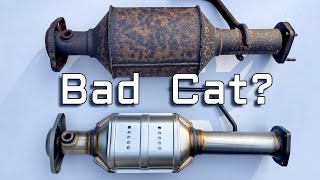
🎬 See four major signs that your catalytic converter is bad.Helpful Videos
Technical Specifications
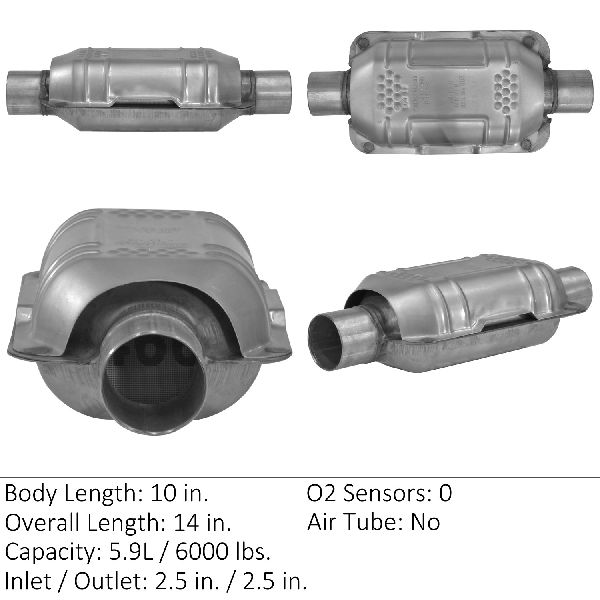
This vehicle requires a universal, weld-in catalytic converter. The correct size (inlet/outlet diameter) will depend on your specific exhaust pipe diameter, which is commonly 2.25" or 2.5" for these trucks. All available aftermarket options are Federal/EPA compliant for pre-OBDII vehicles.
We Have This Part in Stock

The information in this article is provided for general reference and educational purposes only. Vehicle specifications, procedures, and part compatibility can vary by production date, trim level, and region. Always consult your vehicle's factory service manual and verify part numbers before purchasing or performing repairs. Safety-critical components such as airbags, seat belts, and braking systems should be installed by a qualified professional.
- 🎬 Helpful Videos
- 🛍️ Shop This Part
- Is Your W300's Catalytic Converter Failing?
- Key Symptoms of a Bad Converter:
- A Clogged Converter Can Damage Your Engine
- Choosing the Right Aftermarket Converter
- Brand Tiers:
- Pro Tip: Fix the Cause, Not Just the Symptom
- Replacement Cost Overview
- Frequently Asked Questions
- 🎟️ Get 5% Off