

1975-1978 Nissan 280Z Engine Coolant Temperature Sensor: A Comprehensive Guide
Keep your Datsun's L28 engine running smoothly by understanding this critical fuel injection sensor.
- The two-wire sensor on the thermostat housing is for the ECU; the single-wire sender is for the gauge.
- A bad sensor commonly causes a rich running condition, leading to poor MPG and black smoke.
- Aftermarket brands like Beck Arnley or Standard Ignition are reliable choices for this application.
- While replacing the sensor, inspect the electrical connector for corrosion or damage, as it can cause identical symptoms.
Understanding the 280Z's Coolant Sensors
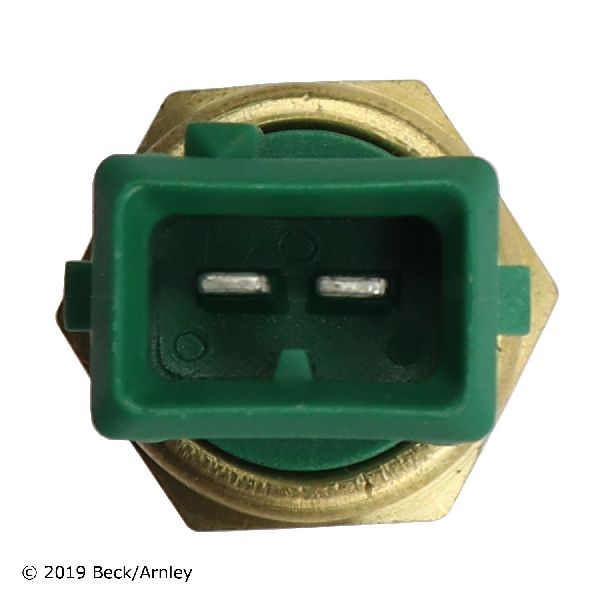
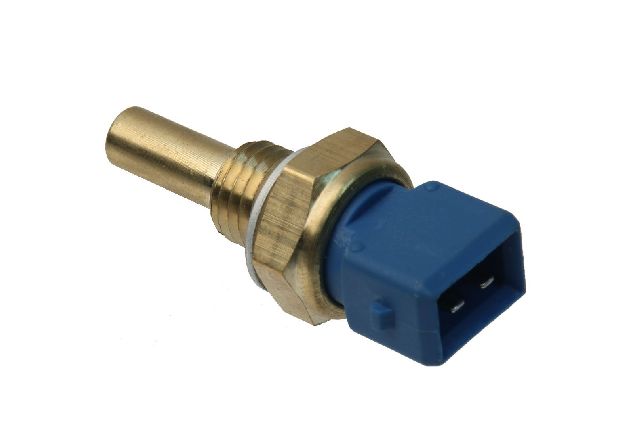
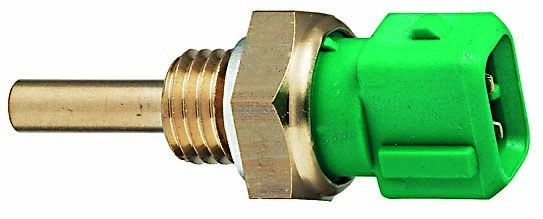
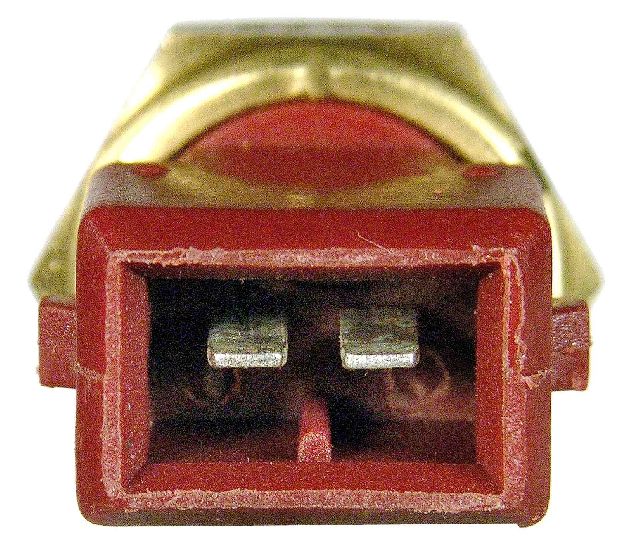
Your 280Z actually has two sensors in the thermostat housing that look similar. It's important to know the difference. The Engine Coolant Temperature Sensor (ECTS) has a two-wire connector and talks to the fuel injection computer (ECU). The other sensor, the Water Temperature Sender, has a single wire and only controls the temperature gauge on your dashboard. This guide focuses on the two-wire ECT sensor that affects how your engine runs.
Symptoms of a Failing ECT Sensor
When the ECT sensor fails, it sends incorrect information to the ECU. This can make your 280Z's engine behave poorly. Common signs include:
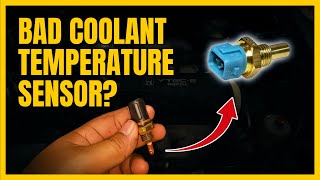
🎬 Watch a breakdown of common symptoms of a bad sensor.- Poor Fuel Economy: The ECU might think the engine is always cold, causing it to inject too much fuel.
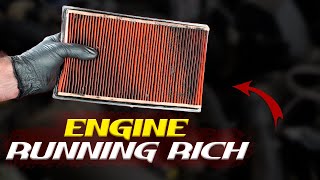
- Black Smoke from Exhaust: A very rich fuel mixture can result in unburned fuel leaving the tailpipe as black smoke. 🎬 Learn more about why your engine might be running rich.
- Rough Idle: The engine may shake or idle unevenly because the air-fuel mixture is wrong.
- Hard Starting: The car may be difficult to start, especially when the engine is already warm, because the ECU is providing the wrong fuel mixture for the conditions.
- Engine Hesitation or Stumbling: You might notice a significant hesitation when you accelerate.
Don't Ignore the Signs
Driving with a bad ECT sensor can lead to long-term problems. A constant rich fuel mixture can foul spark plugs and damage your catalytic converter over time.
Choosing the Right Aftermarket Sensor
For a classic car like the 280Z, finding genuine Nissan "new old stock" (NOS) parts can be difficult and expensive. Aftermarket sensors are a practical and affordable choice. The most important factor is that the sensor has the correct resistance values at different temperatures to work with the original ECU. An incorrect sensor will cause persistent running issues.
Brand Tiers for Your 280Z
- Trusted Aftermarket (Beck Arnley, NGK, Standard Ignition): These brands have a long-standing reputation for quality. Beck Arnley is known for sourcing parts from original equipment manufacturers, meaning you might get a part made by the same company that supplied Nissan, just in a different box. Standard Ignition (SMP) and NGK are also well-regarded names in engine management components.
- Value-Oriented (Facet, True Tech, URO Parts): These brands offer a more budget-friendly option. While they can provide a working solution, quality can sometimes be inconsistent. For a critical sensor like the ECT, it's often worth spending a few extra dollars for a brand with a stronger reputation. Some users have reported issues with the longevity of rubber and plastic components from brands like URO Parts on other applications.
Pro Tip: Check the Connector
After decades of engine heat, the plastic connector for the ECT sensor can become brittle and corroded. This can cause the same symptoms as a bad sensor. While replacing the sensor, inspect the connector and wiring. If it's cracked or the contacts are green with corrosion, replace it to ensure a good connection.
Installation and Cost Overview
Replacing the ECT sensor on a 280Z is a straightforward job for a DIY mechanic. The sensor is located on the front of the thermostat housing at the front of the engine. You'll need basic hand tools, and you should expect some coolant to spill when the old sensor is removed. Always have some extra coolant on hand to top off the system afterward.
| Item | Estimated Cost |
|---|---|
| New Aftermarket ECT Sensor | $10 - $32 |
| New OEM ECT Sensor (if found) | $30 - $80+ |
| Estimated Shop Labor | $50 - $125 |
Frequently Asked Questions (FAQ)
Can I test my current ECT sensor before replacing it?
Yes. You can test the sensor with a multimeter set to measure resistance (Ohms). 🎬 See how to test your 280Z sensor with a multimeter. The resistance should change as the temperature changes. For example, at around 68°F (20°C), the resistance should be about 2,250-2,750 Ohms. When the engine is hot at 176°F (80°C), it should be around 290-360 Ohms. You can find detailed resistance charts in the Factory Service Manual (FSM) or online.
Is there a recall for the ECT sensor on the 1975-1978 280Z?
No, there are no specific recalls or technical service bulletins (TSBs) from Nissan or the NHTSA related to the engine coolant temperature sensor for the 1975-1978 280Z.
What is the difference between the ECT sensor and the Thermo-time switch?
The thermostat housing on your 280Z has several sensors. The ECT sensor (two-wire) tells the ECU the engine temperature for general fuel mixture control. The Thermo-time switch, which is often larger and more expensive, is used only during startup to control the cold start valve, providing extra fuel when the engine is very cold.
Why is my car still running rich after replacing the sensor?
If a new, quality sensor doesn't fix a rich-running condition, check other parts of the L-Jetronic system. Common culprits include a faulty Air Flow Meter (AFM), a leaking Cold Start Valve, a bad fuel pressure regulator, or vacuum leaks. Also, ensure the wiring and connector to the sensor are clean and making good contact.
Helpful Videos
Technical Specifications
OEM Part Numbers: 22630-N4200
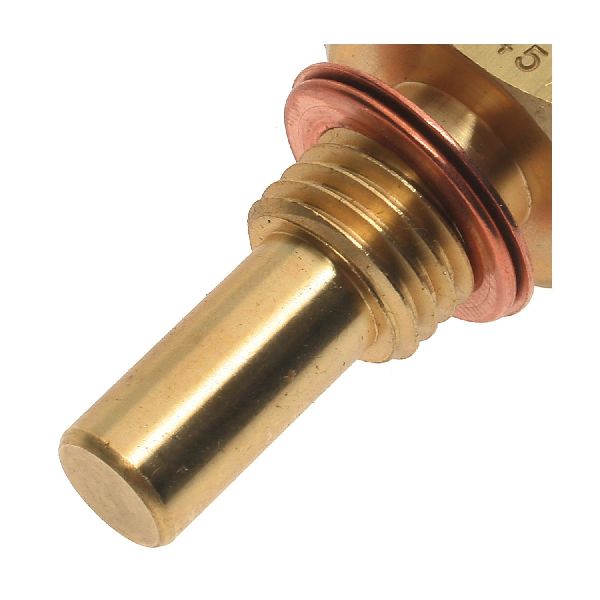
Location: Thermostat Housing. Connector: 2-wire rectangular plug. Function: Provides coolant temperature data to the ECU for fuel mixture control.
We Have This Part in Stock


The information in this article is provided for general reference and educational purposes only. Vehicle specifications, procedures, and part compatibility can vary by production date, trim level, and region. Always consult your vehicle's factory service manual and verify part numbers before purchasing or performing repairs. Safety-critical components such as airbags, seat belts, and braking systems should be installed by a qualified professional.
- 🎬 Helpful Videos
- 🛍️ Shop This Part
- Understanding the 280Z's Coolant Sensors
- Symptoms of a Failing ECT Sensor
- Don't Ignore the Signs
- Choosing the Right Aftermarket Sensor
- Brand Tiers for Your 280Z
- Pro Tip: Check the Connector
- Installation and Cost Overview
- Frequently Asked Questions (FAQ)
- 🎟️ Get 5% Off