

Chevrolet Camaro Engine Mount Guide: 1975-1979
Choosing the right engine mounts for your second-generation Camaro involves a trade-off between comfort and performance.
- For most owners, the main choice is between affordable rubber mounts for comfort or stiffer polyurethane mounts for performance and durability.
- Budget-friendly rubber brands like Anchor and DEA may have quality and fitment issues, so be prepared for potential inconsistencies.
- Replacement is a difficult job due to poor access to the frame bolts, often requiring lowering the control arm.
- Always replace engine mounts in pairs to ensure proper engine alignment and prevent premature wear on the new mount.
Is Your Camaro's Engine Mount Failing?
The engine mounts on a 1975-1979 Camaro are simple, but they are under constant stress from engine heat and torque. After 40+ years, the original rubber has likely seen better days. A bad mount can make your classic car feel rough and can lead to other problems if not addressed. Common symptoms include:
- Excessive Vibration: You may feel a new or intense vibration through the steering wheel, floor, or seats, especially when the car is idling or at a stop.
- Clunking or Thudding Noises: Loud clunks or thuds when you accelerate, decelerate, or shift gears are a classic sign. This is the sound of the engine moving too much and hitting its limits.
- Visible Engine Movement: If you have a helper, you can check for this. With the parking brake on and the car in drive, a light tap on the accelerator may cause the engine to lift or jerk noticeably (more than an inch or two). This indicates the mount is no longer holding it securely.
Choosing the Right Aftermarket Mount: Rubber vs. Polyurethane
For a vehicle of this age, new original equipment (OEM) mounts are generally not available. The choice comes down to two types of aftermarket mounts, each with significant pros and cons.
Tier 1: Standard Replacement (Rubber)
Brands like: Anchor, DEA, Westar, Pioneer
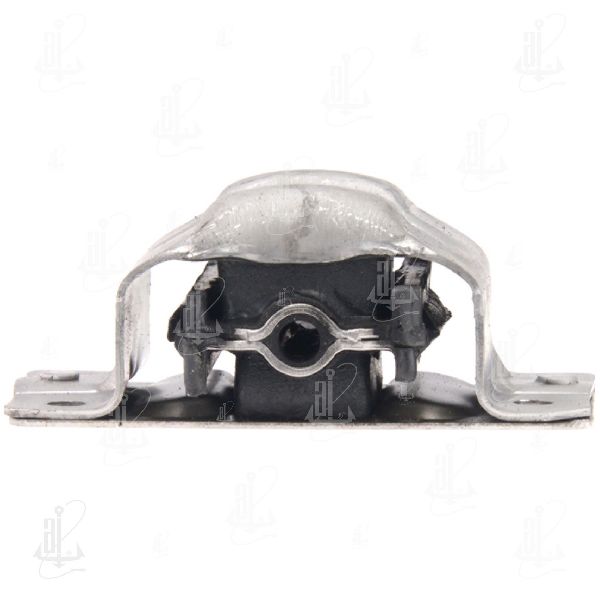
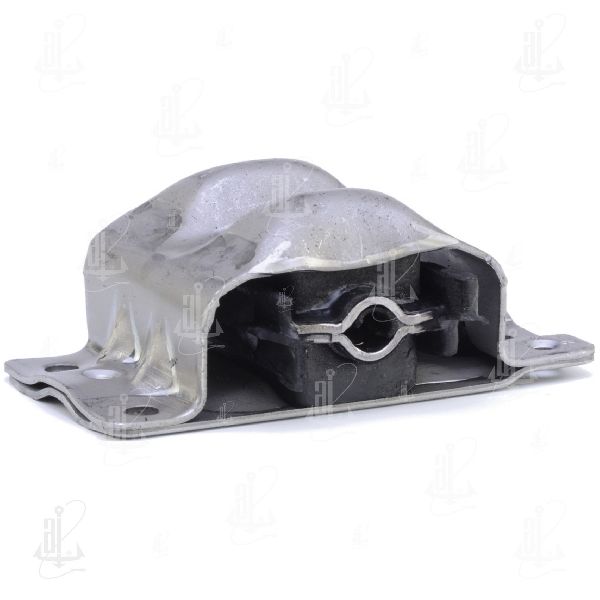
These are designed to be direct, factory-style replacements using a rubber insulating material. They are the most affordable option and aim to provide the same smooth, comfortable ride as the original parts by effectively absorbing engine vibrations. However, be aware that quality among these budget-friendly brands can be inconsistent. Some owners report issues with fitment, such as bolt holes not lining up perfectly, and premature failure compared to original parts. These are best for owners of stock, daily-driven cars who prioritize comfort and a low price over performance and longevity.
Tier 2: Performance Upgrade (Polyurethane)
Brands like: Energy Suspension
Polyurethane is a much stiffer and more durable material than rubber. Polyurethane mounts, like those from Energy Suspension, will hold your engine much more firmly, reducing movement and improving throttle response. This is a great choice for modified cars with more horsepower or for those who use their Camaro for performance driving. The major trade-off is a significant increase in noise and vibration felt in the cabin. What you gain in performance, you lose in ride comfort. Some builders even mix and match, using a stiffer poly mount on the driver's side to control engine torque and a rubber mount on the passenger side to absorb some vibration.
A Note on Installation
Replacing the engine mounts on a 1975-1979 Camaro is more difficult than it seems. While unbolting the mount from the engine is straightforward, the bolts securing the mount to the car's frame are notoriously hard to access. Mechanics and experienced DIYers often have to lower the front lower control arm to get the necessary clearance, which turns a simple job into a much longer one. This is not a recommended job for beginners.
Cost of Replacing Engine Mounts
| Item | Estimated Cost |
|---|---|
| New Aftermarket Mounts (Pair, Rubber) | $40 - $90 |
| New Aftermarket Mounts (Pair, Polyurethane) | $70 - $120 |
| Shop Labor | $300 - $600 |
| Total Estimated Cost (Professionally Installed) | $340 - $720 |
Frequently Asked Questions
Do I need to replace both engine mounts at the same time?
It is highly recommended. Engine mounts wear out from age and stress. If one has failed, the other is likely not far behind. Replacing them in pairs ensures proper engine alignment and saves you from having to do the job twice.
What's the real difference between rubber and polyurethane?
Think of rubber as a soft cushion and polyurethane as a firm pad. Rubber is excellent at absorbing vibrations, giving you a smooth, quiet ride, but it can flex and wear out faster under high torque. Polyurethane is much stiffer, providing better engine control and throttle response, but it transfers much more vibration and noise into the car's cabin.
Are there any recalls for 1975-1979 Camaro engine mounts?
No. Searches of the National Highway Traffic Safety Administration (NHTSA) database did not show any recalls or technical service bulletins (TSBs) specifically for the engine mounts on 1975-1979 Chevrolet Camaros.
Can I really drive with a bad engine mount?
You can, but you shouldn't for long. A completely failed mount can allow the engine to move excessively, which can damage hoses, wiring, and even the transmission linkage. It's best to get it fixed as soon as possible to avoid more expensive repairs.
Technical Specifications
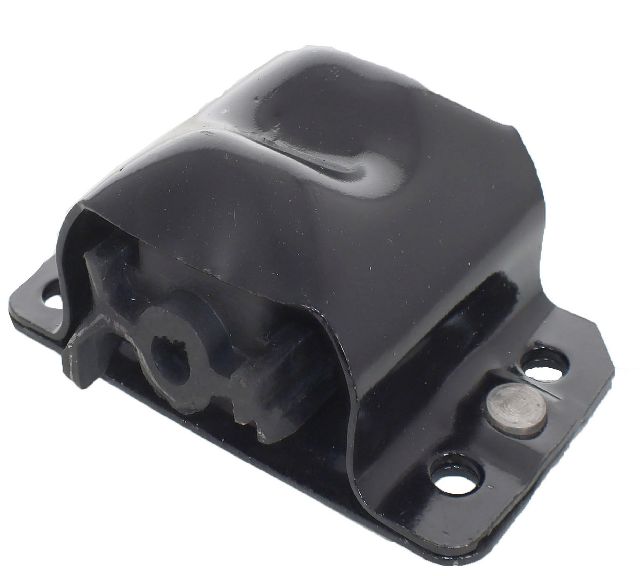
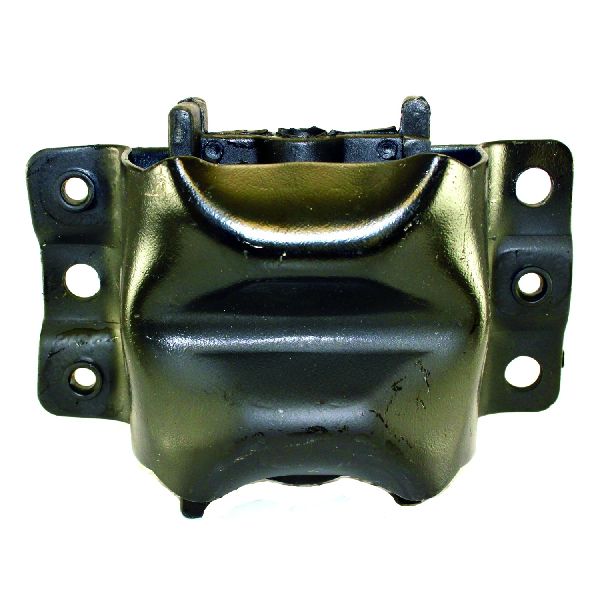
The 1975-1979 Camaro uses a two-bolt 'clamshell' style engine mount that interlocks for safety. One part bolts to the engine block, and the other bolts to the vehicle's subframe.
We Have This Part in Stock


The information in this article is provided for general reference and educational purposes only. Vehicle specifications, procedures, and part compatibility can vary by production date, trim level, and region. Always consult your vehicle's factory service manual and verify part numbers before purchasing or performing repairs. Safety-critical components such as airbags, seat belts, and braking systems should be installed by a qualified professional.