

A Practical Guide to Drum Brake Shoes for the 1975-1979 Dodge Monaco
Keep your classic C-Body stopping safely with the right set of new aftermarket drum brake shoes.
- For a 1975-1979 Monaco, new aftermarket brake shoes are the only practical option, as OEM parts are unavailable.
- Always replace drum brake shoes in pairs and install a new hardware kit at the same time for safety and proper function.
- If the wheel cylinder is leaking brake fluid, the shoes are contaminated and must be replaced along with the cylinder.
- Stick with reputable brands like Bendix, Wagner, or Centric for reliable stopping power on your classic Mopar.
Signs of Worn Drum Brake Shoes
Worn brake shoes can't create the friction needed to stop your Monaco effectively. Ignoring these signs is a safety risk. Be aware of any changes in how your brakes feel or sound.
- Scraping or Grinding Noises: A loud scraping or grinding sound from the rear wheels when you apply the brakes is a classic sign that the friction material has worn away. This is metal-on-metal contact between the shoe and the drum, which can cause further damage.
- Reduced Stopping Power: If you notice it takes longer to stop or you have to press the brake pedal harder than usual, your shoes may be worn out.
- Spongy or Soft Brake Pedal: While often a sign of air in the brake lines, a pedal that feels mushy can sometimes be related to worn-out or out-of-adjustment drum brake components.
- Parking Brake Issues: If your parking brake handle pulls up higher than it used to, or the car doesn't hold securely on a hill, it often points to worn rear shoes or a need for adjustment.
- Visible Fluid Leaks: If you see oily fluid on the inside of your rear tire or on the backing plate, you likely have a leaking wheel cylinder. This fluid will contaminate the brake shoes, ruining them. If you replace a leaking wheel cylinder, you must also replace the brake shoes.
Choosing the Right Aftermarket Shoes
For a classic car like the 1975-1979 Monaco, finding original Mopar (OEM) brake shoes is nearly impossible. The market today consists almost entirely of new aftermarket parts, which are often made with friction materials superior to what was available in the 1970s. The key is to choose a reputable brand.
Pro Tip: Bonded vs. Riveted Shoes
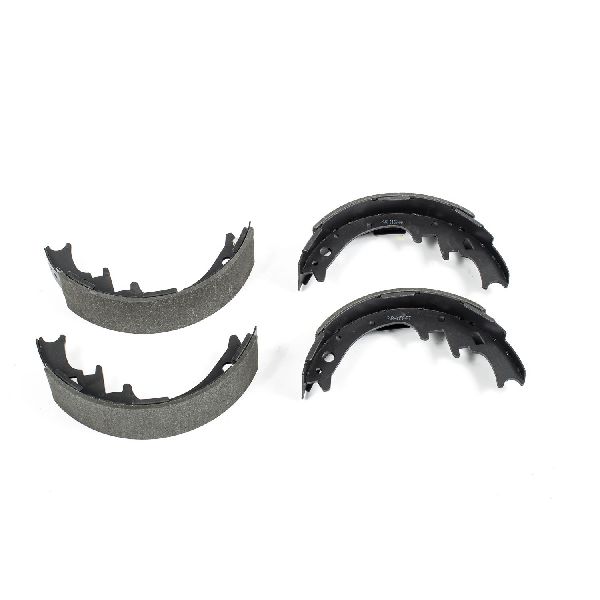
Brake shoes come in two styles: bonded (where the friction material is glued on) and riveted (where it's attached with metal rivets). Both work well. Some classic car enthusiasts prefer riveted shoes for their traditional construction, but modern bonded shoes from a quality brand are just as reliable for normal driving.
Aftermarket Brand Tiers
The brands available offer a good range of quality and price. For a heavy car like the Monaco, avoiding the cheapest "white box" options is a good idea. Stick with established names.
- Premium Brands (Bendix, Wagner Brakes): These are long-standing, reputable names in the brake industry. They are known for reliable, OE-quality performance and are a trusted choice for daily drivers and classic car restorations. Forum users often recommend older Bendix or Wagner parts if you can find them, but modern production is still considered reliable.
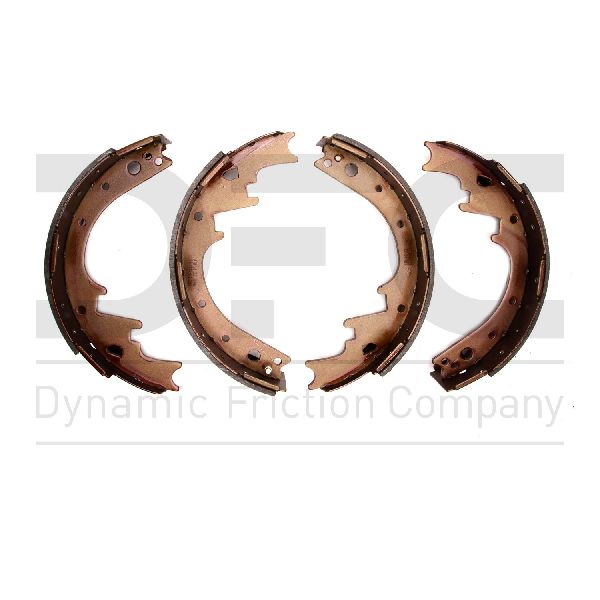
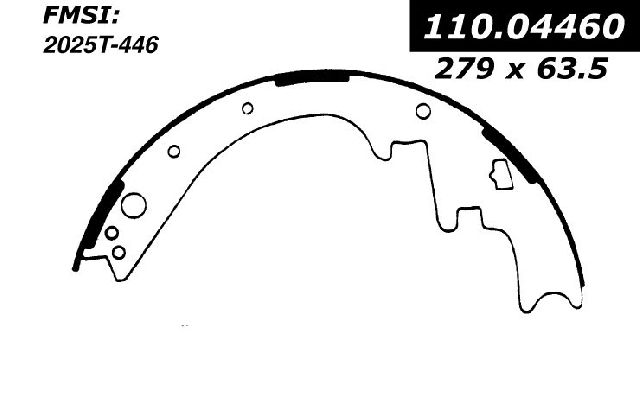
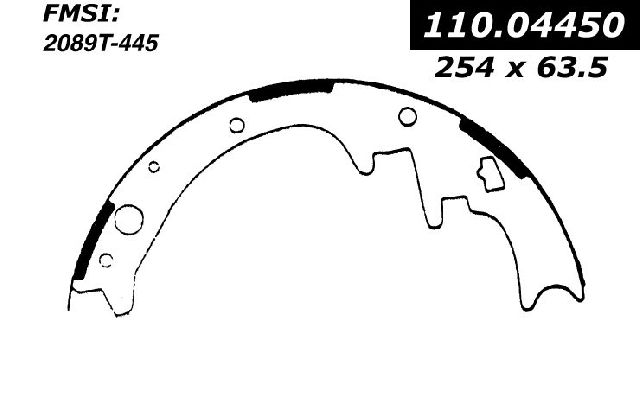
- Standard / High-Value Brands (Centric, Dynamic Friction): Centric is a major aftermarket supplier with a reputation for good quality at a fair price. They often provide a great balance of performance and value. Dynamic Friction is another solid choice in this category.
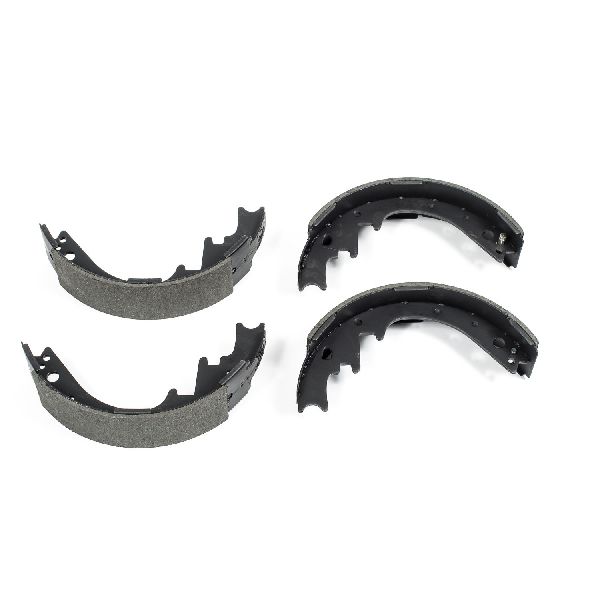
- Performance Brands (Powerstop): Powerstop is known for performance-focused brake kits. While they may offer shoes for your Monaco, their products are generally geared toward users seeking braking power that is a significant upgrade over stock, which may not be necessary for typical classic car use.
Important: Check for Recalls
There was one safety recall issued for the 1975 Dodge Monaco (NHTSA Campaign ID: 75V086000) related to the vacuum power brake assist system. While this does not directly involve the brake shoes, it highlights the importance of ensuring your entire brake system is in good working order.
Estimated Replacement Costs
The cost to replace drum brake shoes can vary based on your location and whether you do the work yourself. Drum brake jobs are more labor-intensive than disc brake jobs.
| Part/Service | Estimated Cost |
|---|---|
| New Aftermarket Drum Brake Shoe Set | $54 - $86 |
| Drum Brake Hardware Kit (Recommended) | $15 - $30 |
| Shop Labor | $150 - $300 |
Frequently Asked Questions
Do I need to replace the springs and hardware?
Yes, it is highly recommended. The springs, clips, and adjusters in a drum brake system are exposed to heat and stress. They can weaken over time, leading to noise or improper brake function. A new hardware kit is inexpensive and ensures everything works together correctly.
Should I replace or resurface my brake drums?
You should always inspect the brake drums when replacing the shoes. If they have deep grooves, a large lip on the edge, or signs of warping (which can cause a pulsating pedal), they should be resurfaced (machined) or replaced. If a drum has any cracks, it must be replaced.
Do I have to replace the shoes on both sides?
Absolutely. Brake shoes must always be replaced as an axle set (both rear wheels at the same time). Replacing them on only one side will cause dangerously unbalanced braking, making the car pull to one side when you stop.
What type of friction material is best for my Monaco?
For a classic car used for normal driving, a quality organic or semi-metallic shoe is ideal. Organic shoes are quiet and easy on the drums, while semi-metallic shoes offer better performance under heavy use and heat. Avoid aggressive ceramic or full-metallic shoes, which can be noisy and wear drums faster.
Technical Specifications
Vehicle is equipped with rear drum brakes. Shoe size and type can vary based on the specific rear axle and brake option (e.g., 10-inch or 11-inch drums). Always verify the correct size before ordering.
We Have This Part in Stock


The information in this article is provided for general reference and educational purposes only. Vehicle specifications, procedures, and part compatibility can vary by production date, trim level, and region. Always consult your vehicle's factory service manual and verify part numbers before purchasing or performing repairs. Safety-critical components such as airbags, seat belts, and braking systems should be installed by a qualified professional.