

Ford B-100 Ignition Switch Guide: 1975-1979 Problems and Replacement
If your classic Ford B-100 won't start, stalls, or has quirky electrical issues, the ignition switch is a likely suspect.
- Symptoms like 'start-then-die' or intermittent electrical issues strongly point to a failing ignition switch.
- This is a two-part system: the lock cylinder and the electrical switch. Diagnose which one is faulty before ordering.
- Replacement is a simple, DIY-friendly job that can be done in under an hour with basic tools.
- Always inspect the wiring connector for melting or damage when replacing the switch, as a bad plug can destroy the new part.
Is Your B-100's Ignition Switch Failing?
The ignition switch in your 1975-1979 Ford B-100 is a mechanical part with electrical contacts inside. After decades of use, these contacts can wear out, the plastic housing can become brittle, and the connections can loosen. This can cause a range of frustrating problems, from being unable to start your truck to having it shut off unexpectedly. Since the B-100 shares its chassis and many parts with the popular F-100 and F-150 trucks of the same era, these issues are well-documented by owners.
Key Symptoms of a Bad Ignition Switch
- Starts, Then Immediately Dies: The engine fires up while you hold the key in the 'START' position but shuts off as soon as you let it spring back to 'RUN'. This is a classic sign that the 'RUN' circuit in the switch has failed.
- No Crank, No Start: You turn the key and get nothing—no click, no crank, no sound. If the battery is good, the switch may not be sending the signal to the starter solenoid.
- Engine Won't Turn Off: You turn the key to the 'OFF' position and pull it out, but the engine keeps running. This indicates the contacts inside the switch have fused together.
- Intermittent Electrical Problems: The radio, wipers, or dashboard lights cut out randomly. Wiggling the key in the ignition might make them work again, pointing to a loose connection inside the switch.
- Physical Failure or Burning Smell: In some cases, the plastic back of the switch can crack and fall apart. A burning smell or melted plastic at the wiring connector is a serious warning sign of a poor connection causing high resistance and heat.
Important: Lock Cylinder vs. Ignition Switch
It's crucial to understand there are two main parts: the Ignition Lock Cylinder (where you insert the key) and the Ignition Switch (the electrical part it controls). They are sold separately but are often replaced together. If your key is just hard to turn, the lock cylinder might be the problem. 🎬 Watch how to properly install a new ignition lock cylinder. If you have the electrical symptoms listed above, the switch is the likely culprit.
Choosing the Right Aftermarket Ignition Switch
For a vehicle of this age, genuine Ford (Motorcraft) parts are extremely rare and expensive if you can find them as 'New Old Stock'. The aftermarket is the primary source for these switches. Brands like Standard Ignition and Rostra Powertrain are common, readily available options.
- Standard Ignition (SMP): A very well-known aftermarket manufacturer. Their switches are generally considered a reliable, OE-quality replacement. They often highlight features like copper alloy conductors for better performance.
- Rostra Powertrain: Another established brand that produces a wide range of automotive electronics. They market their switches as direct-fit replacements built with quality materials.
OEM vs. Aftermarket Quality: While aftermarket is the practical choice, quality can vary. Some owners in forums have reported cheaper aftermarket switches failing mechanically, with the plastic housing breaking apart. Sticking with a reputable brand like Standard or Rostra can reduce the risk of premature failure. Given the low part cost, it's worth choosing a quality component to avoid doing the job twice.
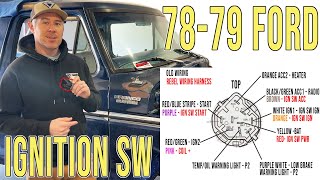
When you replace the switch, inspect the wiring connector carefully. If it shows any signs of melting or discoloration, it should be replaced as well. A bad connector can quickly ruin a new switch.
🎬 See this detailed guide on inspecting and repairing ignition switch wiring.Typical Replacement Costs
Replacing the ignition switch on a 1975-1979 B-100 is an affordable repair, especially if you do it yourself.
| Part Type | Estimated Cost |
|---|---|
| New Aftermarket Switch | $33 - $58 |
| New OEM (Motorcraft/NOS) | $80 - $100+ (if available) |
| Shop Labor | $75 - $150 |
Frequently Asked Questions (FAQ)
Is replacing the ignition switch a difficult job?
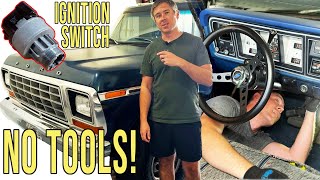
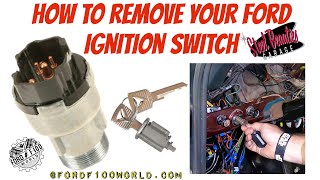
No, this is a very DIY-friendly job for most owners. It requires basic tools and can typically be done in under an hour. 🎬 Watch this step-by-step walkthrough of the ignition switch replacement process. The process involves removing the lock cylinder with a paperclip, unscrewing the switch from the dash, and unplugging the electrical connector.
Do I need to replace the lock cylinder at the same time?
You don't have to, but it's often a good idea. If your keys are worn or the lock feels loose, replacing both parts at once ensures the entire ignition system is fresh. This also means you'll have a new set of keys for the ignition.
Are there any recalls for the ignition switch on my truck?
No. While Ford had recalls for ignition switches on some earlier trucks, searches of the NHTSA database show no open recalls for the 1975-1979 Ford B-100 or related F-Series models for this part.
What's the difference between a B-100 and an F-100?
The B-100 was a variant of the F-100, primarily sold in markets like Mexico. It shares the same frame, powertrain, and most mechanical and electrical parts, including the ignition switch, with the North American F-100 and F-150 models from the same years.
Helpful Videos
Technical Specifications
OEM Part Numbers: SW-1494 D0TZ-11572-A
Dash-mounted electrical switch, actuated by the ignition lock cylinder. Features a multi-pin connector on the rear.
We Have This Part in Stock


The information in this article is provided for general reference and educational purposes only. Vehicle specifications, procedures, and part compatibility can vary by production date, trim level, and region. Always consult your vehicle's factory service manual and verify part numbers before purchasing or performing repairs. Safety-critical components such as airbags, seat belts, and braking systems should be installed by a qualified professional.