

A Ford Owner's Guide to Universal Joints for the 1975-1979 F-150
Get rid of that clunk and vibration by choosing the right U-joint for your classic Ford truck.
- You MUST measure your old U-joints (width and cap diameter) before ordering; Ford used multiple sizes on these trucks.
- Spicer is the most recommended brand and is considered OEM quality; choose their non-greasable joints for a strong, maintenance-free repair.
- A clunking noise when shifting into gear is the most common symptom of a bad U-joint.
- Do not continue driving with a severely vibrating or noisy U-joint, as a total failure can cause the driveshaft to fall off.
Is Your F-150's U-Joint Failing?
A worn-out U-joint gives clear warning signs. Because these trucks are now classics, the original U-joints are well past their service life. Ignoring these symptoms is risky, as a complete failure can cause the driveshaft to disconnect, leading to a loss of power and potentially serious damage to the underside of your truck.
Common Failure Symptoms
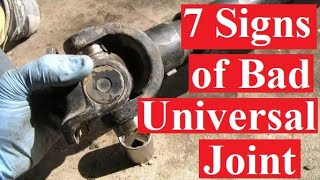
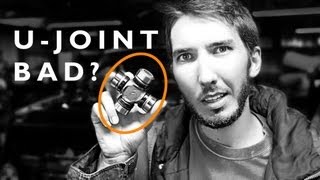
🎬 Watch: A mechanic shows you how to identify a bad U-joint.- Clunking or Ringing Noise: The most common sign is a distinct "clunk" when you shift from Park into Drive or Reverse.
- Vibration While Driving: You may feel a vibration throughout the truck, which often gets worse at highway speeds.
- Squeaking or Chirping: A rhythmic squeak that changes with your speed, often heard at lower speeds, points to a dry, failing U-joint.
- Visible Rust Dust: If you see a fine, reddish-brown dust around the U-joint bearing caps, it's a sign that the internal needle bearings have turned to powder and the joint has failed.
Choosing the Right Aftermarket U-Joint
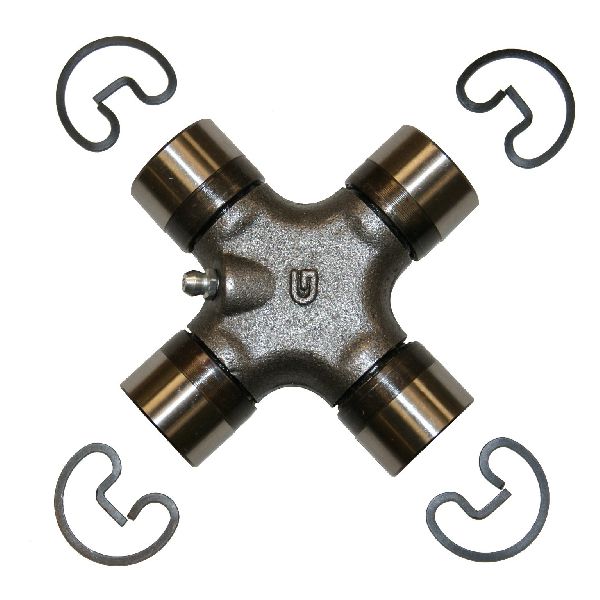
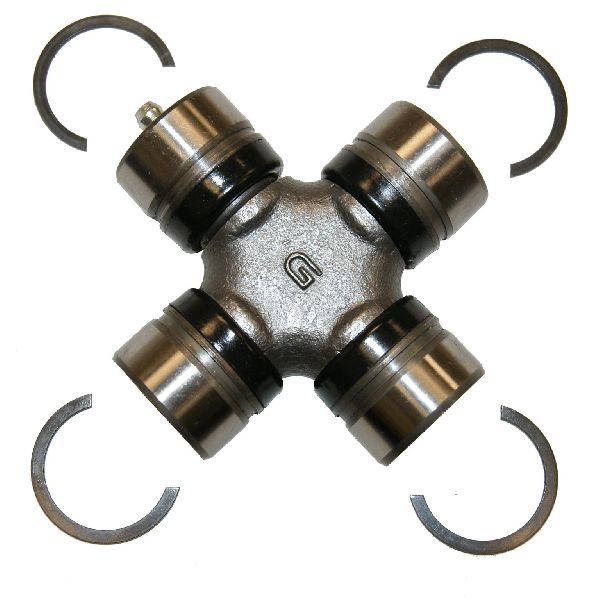
For a 1975-1979 F-150, new OEM Ford parts are no longer available. The aftermarket is your only option, but the quality is excellent if you choose the right brand. The most important step is to measure your old U-joints before ordering. Ford used several different sizes during this period, even within the same model year, depending on the engine, axle, and whether it was 2WD or 4WD. You will need to measure the width of the joint and the diameter of the bearing caps.
Brand Quality Tiers
Based on owner feedback and mechanic recommendations, aftermarket U-joints for your F-150 fall into a few quality tiers.
- Top Tier (OEM Quality or Better): Dana Spicer is widely considered the original equipment manufacturer for Ford and the best choice available. They are known for strength and durability. Yukon Gear & Axle is a premium brand focused on high-performance and off-road use, offering superior strength for modified or hard-working trucks.
- Strong Mid-Tier: Moog and SKF are well-respected brands that offer reliable, quality replacements. Moog is often known for its greasable "problem-solver" designs, while SKF is a major bearing manufacturer with a reputation for quality. Some users note Moog's quality can vary depending on the factory of origin, but it remains a popular choice.
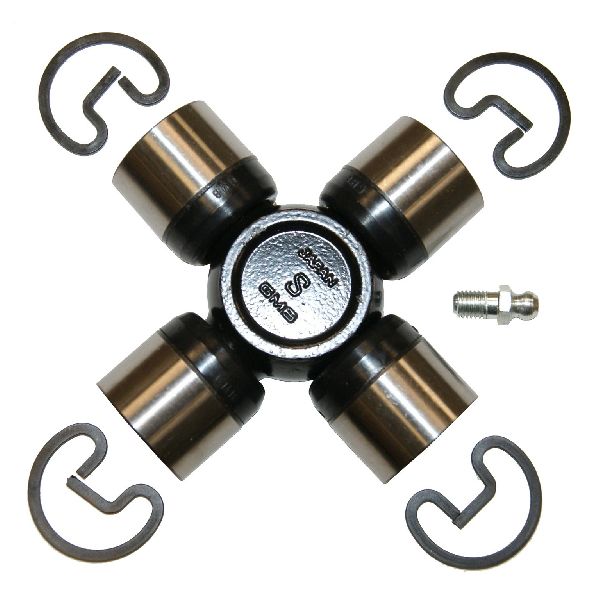
- Standard/Economy Tier: GMB is a budget-friendly option. While functional for light use, forum discussions suggest their quality can be inconsistent compared to the higher-tier brands.
Greasable vs. Non-Greasable U-Joints
You have two main options for your truck:
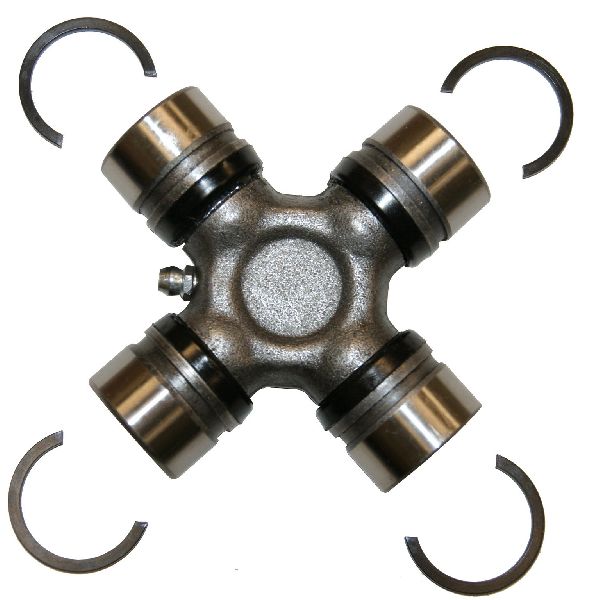
- Non-Greasable (Sealed): These are slightly stronger because the main body isn't drilled for a grease fitting. They feature better seals and are maintenance-free, making them a great "fit-it-and-forget-it" option. Top-quality sealed joints like the Spicer Life Series are built to last.
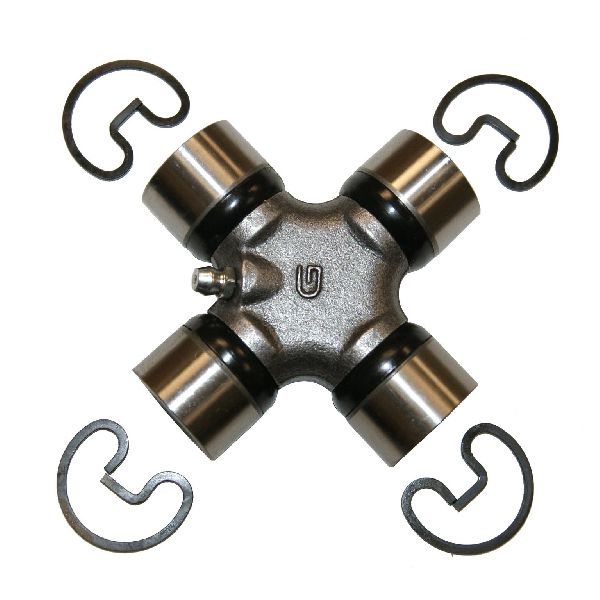
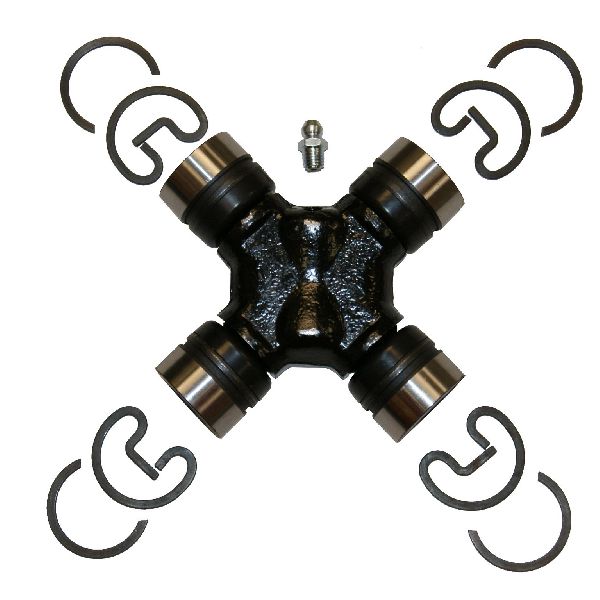
- Greasable: These joints can last longer *if* you grease them regularly (e.g., with every oil change). Pumping in new grease flushes out old grease, moisture, and dirt. If you don't mind the maintenance, they are a great choice. If you neglect them, they will fail faster than a sealed joint.
Common Ordering Mistakes
The biggest mistake is not confirming the size. A 1979 F-150 could have different U-joints at the front and rear of the driveshaft. For example, some trucks use a 1310 series joint at one end and a 1330 series at the other. Always remove and measure your old parts before placing an order to guarantee you get the right fit.
| Item | Estimated Cost |
|---|---|
| New Aftermarket Universal Joint (Single) | $18.53 - $107.89 |
| Shop Labor (per joint) | $100 - $250 |
Frequently Asked Questions
How many U-joints does my 1975-1979 F-150 have?
A 2WD truck typically has two U-joints on the rear driveshaft. A 4WD truck has those two, plus two or three on the front driveshaft and one in each front axle shaft, 🎬 Watch: Replacing a driver side axle U-joint on a 1979 F-150. for a total of six or seven U-joints.
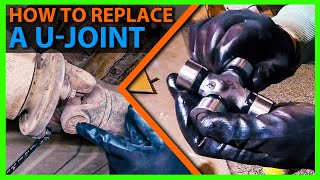
Is replacing a U-joint a DIY job? 🎬 See this step-by-step walkthrough of a Ford F-150 U-joint replacement.
Yes, if you have the right tools and some mechanical experience. The most difficult part is pressing the old joint out and the new one in without damaging the bearing caps. A bench vise or a ball joint/U-joint press tool is highly recommended. Expect the job to take 1-2 hours per driveshaft.
Were there any recalls for U-joints on these trucks?
No, there are no known recalls or Technical Service Bulletins (TSBs) for universal joints on the 1975-1979 Ford F-150. Recalls you may find online are for modern F-150s with different driveshaft designs.
Should I replace all the U-joints at once?
If you have the driveshaft out to replace one failed U-joint, it is highly recommended to replace the other one on that same shaft. They have been subjected to the same amount of wear, and the cost of the part is small compared to the labor of removing the driveshaft again.
Helpful Videos
Technical Specifications
Common series for this generation include Spicer 1310 and 1330. The 1310 series typically has a cup diameter of 1 1/16" and a width of 3 7/32". The 1330 series has the same cup diameter but a wider installed width of 3 5/8". 4x4 front axle shafts often use a joint with a 1 3/16" cap diameter. Measurement is required for correct fitment.
We Have This Part in Stock

The information in this article is provided for general reference and educational purposes only. Vehicle specifications, procedures, and part compatibility can vary by production date, trim level, and region. Always consult your vehicle's factory service manual and verify part numbers before purchasing or performing repairs. Safety-critical components such as airbags, seat belts, and braking systems should be installed by a qualified professional.