

Ford LTD Starter and Solenoid Diagnostic Guide (1975-1979)
Solve common no-start problems by understanding your LTD's unique starting system before you buy a new part.
- Your LTD has a fender-mounted starter solenoid that often fails before the starter; test this part first if you hear a single click.
- Always confirm your battery is fully charged and the cables are clean and tight before diagnosing the starter or solenoid.
- A slow crank or grinding noise usually points to a bad starter motor, while a single click points to the solenoid.
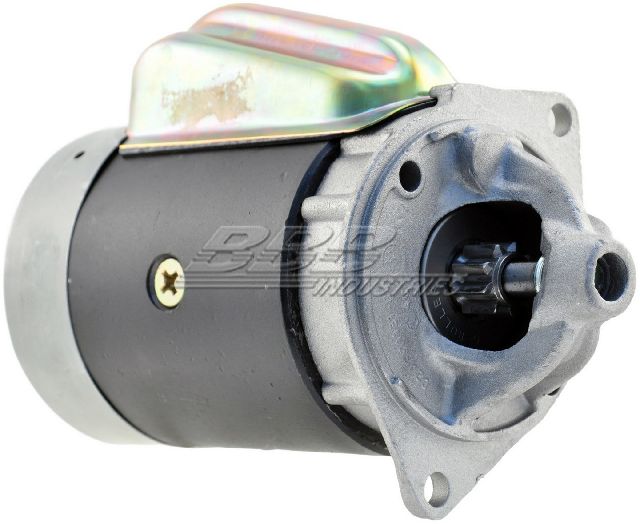
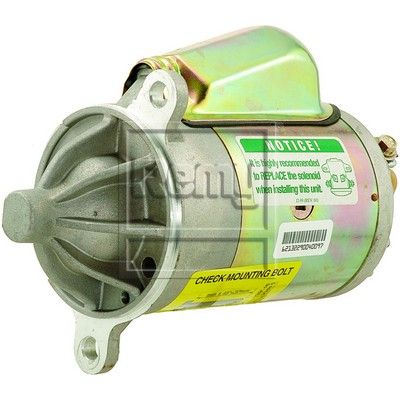
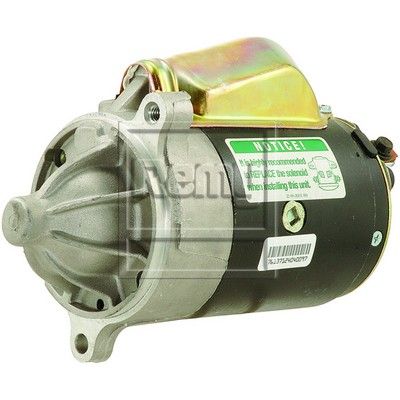
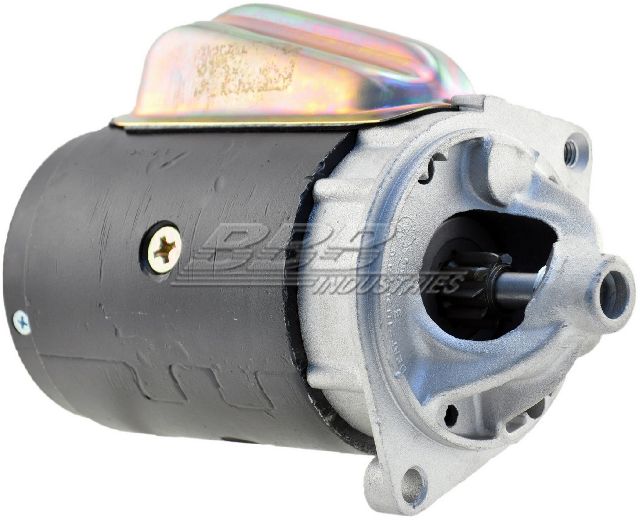
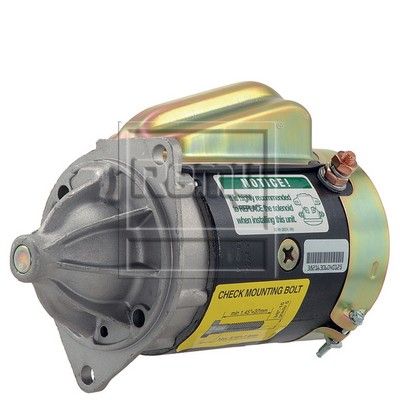
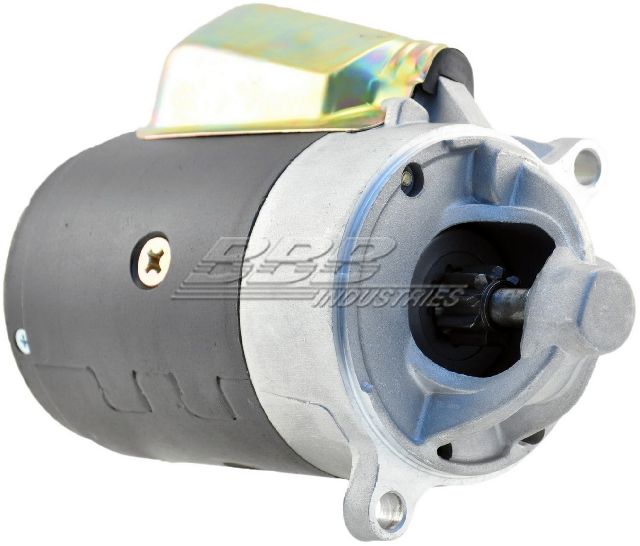
- New aftermarket starters from brands like BBB Industries and Remy are reliable and readily available replacements for your classic Ford.
Understanding Your LTD's Starting System
Before you condemn your starter, it's important to know how your 1975-1979 Ford LTD is wired. Unlike modern cars, the main starter solenoid is not attached to the starter motor. It's a small box mounted on the passenger-side inner fender in the engine bay. This part is often the true culprit when your car clicks but won't start. Always inspect the fender-mounted solenoid and all battery cable connections before deciding to replace the starter motor down below.
Check the Simple Things First
Starting problems are often caused by a weak battery or poor connections. Before buying parts, make sure your battery is fully charged (at least 12.2 volts) and that the battery terminals and cable ends are clean and tight. A rapid, machine-gun-like clicking noise almost always indicates a low battery, not a bad starter.
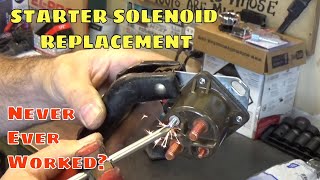
🎬 See why your starter clicks but won't crank the engine.Symptoms of a Failing Starter or Solenoid
Listen closely to your car, as different sounds point to different problems.
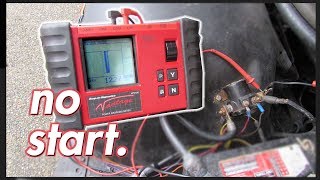
- Single Loud Click, Then Nothing: This is the classic symptom of a bad fender-mounted solenoid. 🎬 Watch: How to diagnose and test your Ford starter solenoid. The solenoid is receiving the signal from the key but is failing to send power to the starter motor.
- Slow, Labored Engine Cranking: If the engine turns over but sounds sluggish and weak, the starter motor itself may be wearing out and drawing too much power. This can also be caused by bad cables or a weak battery.
- Grinding or Whirring Noise: A loud grinding sound when you try to start the engine means the starter gear (Bendix) is not engaging properly with the engine's flywheel, or the gears are damaged. A whirring sound without the engine turning means the starter motor is spinning, but the gear is not extending at all.
- No Sound at All: If the dash lights come on but you hear nothing when you turn the key, the problem could be the ignition switch, neutral safety switch, or a complete failure of the solenoid.
- Smoke or Burning Smell: This is a serious sign. It indicates the starter motor is overheating from drawing too much current or has an internal short. Do not continue to try starting the car.
Choosing the Right New Aftermarket Starter
For a classic vehicle like the LTD, finding a new original Ford (Motorcraft) starter is not a practical option. New aftermarket starters offer a reliable and cost-effective solution without the uncertainty of a remanufactured part's history. Here is an honest assessment of the available brands.
- Tier 1: Reputable Aftermarket (BBB Industries, Remy)
Brands like BBB Industries and Remy are well-known suppliers for major auto parts stores. They are generally considered standard, reliable replacements. While any aftermarket part can have occasional issues, forum discussions show many users have had good long-term success with these brands on classic American vehicles. They represent a safe balance of quality and cost. - Tier 2: Budget-Friendly (WAI Global)
WAI Global often provides a more budget-friendly option. However, owner feedback is more mixed than with other brands. Some users report success, while others have experienced issues with fitment or early failure. This brand can be a good value, but it may carry a slightly higher risk of defects compared to more established names.
Estimated Replacement Costs
| Part/Service | Estimated Cost |
|---|---|
| New Aftermarket Starter Motor | $111.40 - $172.55 |
| New Aftermarket Fender Solenoid | $15 - $30 |
| Shop Labor (Starter Motor) | $120 - $250 |
| Shop Labor (Fender Solenoid) | $50 - $100 |
Cost estimates are for parts and labor only and do not include taxes, shop fees, or diagnostic charges.
Frequently Asked Questions (FAQ)
Should I replace the starter motor or the fender solenoid?
If you hear a single, strong click, the fender-mounted solenoid is the most likely failure point. It's inexpensive and easy to replace, so it's the best place to start. If your engine cranks slowly or makes grinding noises, the starter motor itself is the more likely problem.
Is replacing the starter on an LTD a DIY job?
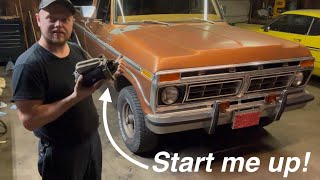
Yes, for most home mechanics. The fender solenoid is very easy and takes less than an hour. The starter motor is located on the lower part of the engine and requires working underneath the car. Access is generally good on these rear-wheel-drive vehicles, making it a manageable job with basic hand tools. 🎬 Watch this walkthrough of a classic Ford V8 starter replacement. Always disconnect the negative battery cable before beginning work.
Are there any recalls or TSBs for the 1975-1979 LTD starter?
No. Searches of the National Highway Traffic Safety Administration (NHTSA) database and technical service bulletin (TSB) archives did not show any recalls or bulletins related to the starter or starting system for this specific vehicle range.
Can I use a starter from a different Ford model?
Possibly, but it is not recommended. While Ford used similar starters across many V8 and inline-6 engines, there can be small differences in size, gear teeth, and mounting bolt patterns. To ensure a correct fit and proper engagement with your flywheel, you must use a starter listed specifically for the 1975-1979 Ford LTD and its engine.
Helpful Videos
Technical Specifications
System uses a positive engagement starter with a separate, fender-mounted solenoid (relay). Starters are specific to engine size (e.g., 351/400 V8 vs. 460 V8). OEM part numbers are largely obsolete; cross-reference by vehicle year, make, model, and engine.
We Have This Part in Stock

The information in this article is provided for general reference and educational purposes only. Vehicle specifications, procedures, and part compatibility can vary by production date, trim level, and region. Always consult your vehicle's factory service manual and verify part numbers before purchasing or performing repairs. Safety-critical components such as airbags, seat belts, and braking systems should be installed by a qualified professional.