

Choosing the Right Automatic Transmission Mount for Your 1975-1980 Buick Skylark
Stop the clunking and shaking by understanding which new transmission mount is right for your classic Skylark.
- Symptoms like clunking and vibration are strong indicators of a failed mount.
- Your main choice is between a standard rubber mount for a quiet ride (Anchor, DEA) or a polyurethane mount for performance and durability (Prothane), which adds significant vibration.
- Given the low cost of the part, it's a wise and affordable preventative maintenance item.
- Consider replacing the motor mounts at the same time for a complete drivetrain refresh.
Is Your Transmission Mount Failing?
The transmission mount on a classic car like the 1975-1980 Skylark is a simple rubber and metal part that wears out over time. Rubber cracks, gets soaked with oil, and compresses, leading to problems. If you're noticing new noises or vibrations, a bad transmission mount is a likely culprit.
Common Symptoms of Failure:
- Clunking or Thumping Noises: You may hear a distinct "clunk" when you accelerate, decelerate, or shift gears from Park to Reverse or Drive. This is the sound of the transmission moving excessively and hitting other parts.
- Excessive Vibration: A worn mount loses its ability to absorb vibration. You'll feel this through the floor, steering wheel, and seats, especially when the car is under load.
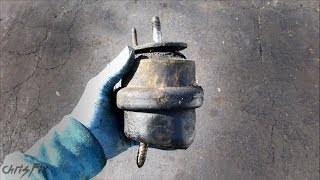
- Visible Engine and Transmission Movement: If you have a helper put the car in gear and hold the brake while lightly pressing the gas, you may see the entire engine and transmission assembly lurch or twist more than it should. This indicates a failed mount. 🎬 Watch: How to diagnose a bad motor or transmission mount
Choosing the Right Aftermarket Mount
For a vehicle of this age, new original equipment (OEM) parts are effectively unavailable. The good news is that aftermarket options are affordable and readily available. They fall into two main categories: standard rubber replacements and polyurethane upgrades.
Aftermarket Brand Tiers
| Tier | Brands | Material | Best For |
|---|---|---|---|
| Standard Replacement | Anchor, DEA, Pioneer Cable, Skyward | Rubber | Daily drivers seeking an affordable, factory-like ride. |
| Performance Upgrade | Prothane, Lakewood | Polyurethane | Performance applications or owners wanting maximum durability. |
Standard Rubber Mounts (Anchor, DEA, Pioneer)
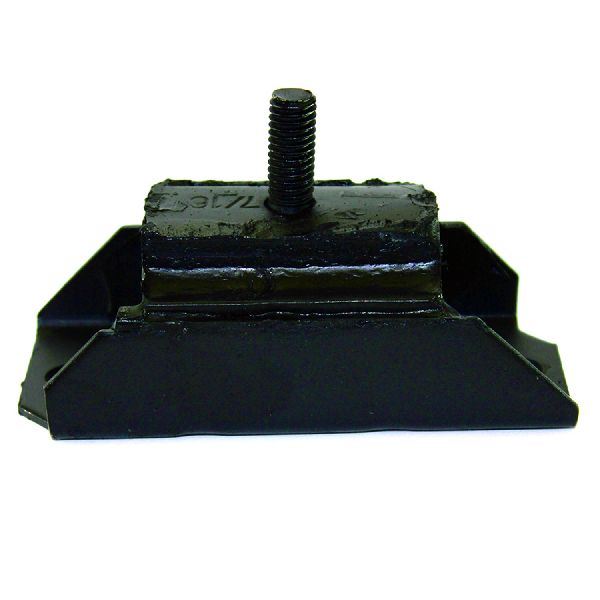
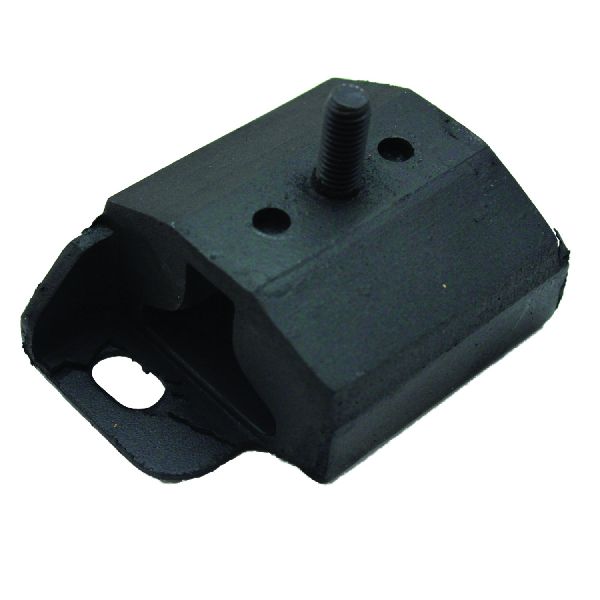
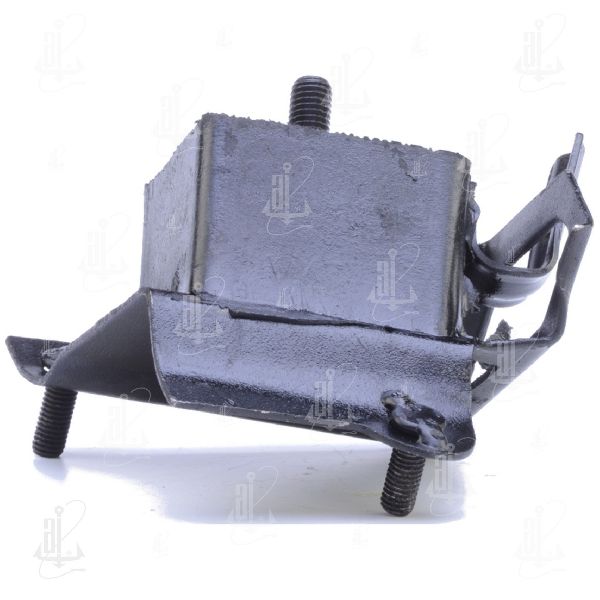
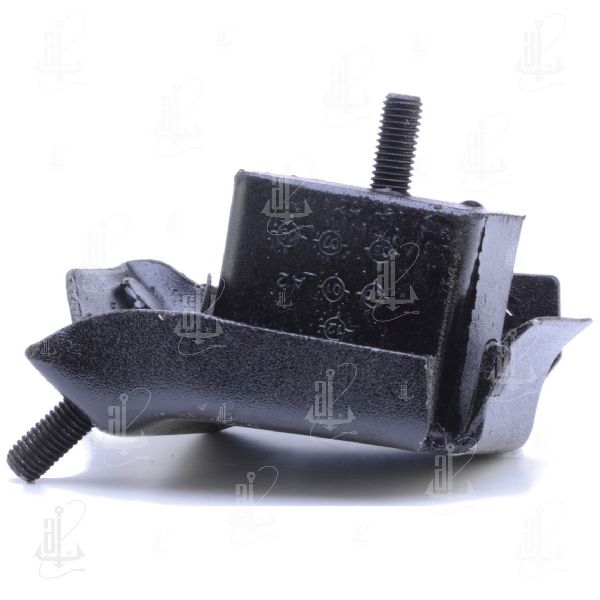
These are designed to be direct, low-cost replacements for the original part. Brands like Anchor and DEA are widely available but have mixed reviews from the car community. Some users report they work fine for years, while others have experienced premature failures or poor fitment. They are a budget-friendly way to get your car back on the road with a ride quality similar to the original. Pioneer is sometimes mentioned as having slightly better quality than other budget brands.
Pro Tip: When using standard replacement mounts, inspect them out of the box. If the rubber looks crooked or the build quality seems very poor, consider exchanging it.
Polyurethane Upgrades (Prothane, Lakewood)
Polyurethane is a much stiffer material than rubber. A Prothane mount will hold your transmission much more securely, improving throttle response and providing a more connected-to-the-road feel. They are extremely durable and resistant to oil and fluids. However, this stiffness comes at a cost: a significant increase in Noise, Vibration, and Harshness (NVH) felt in the cabin. Many drivers find this extra noise and vibration too harsh for a comfortable daily driver. This option is best for weekend cruisers or performance-oriented builds where NVH is not the main concern.
Warning: Do not choose a polyurethane mount if your top priority is a smooth, quiet, comfortable ride. The increase in vibration is noticeable.
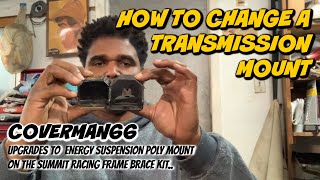
🎬 See this walkthrough for installing a polyurethane transmission mountKnown Issues, Recalls, or TSBs
No specific recalls or Technical Service Bulletins (TSBs) from the NHTSA were found related to the automatic transmission mount for the 1975-1980 Buick Skylark. A general GM motor mount recall was issued in 1971, but it predates this vehicle generation. Any failure today is due to the age and wear of the original part.
Frequently Asked Questions
Can I replace the transmission mount myself?
Yes, this is a very DIY-friendly job for someone with basic tools. The process typically involves supporting the transmission with a jack and a block of wood, unbolting the transmission crossmember, and then unbolting the mount itself. It can usually be done in 1-2 hours.
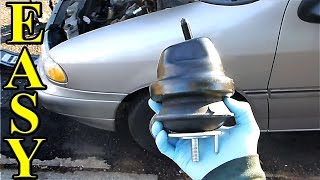
🎬 Watch: A step-by-step guide to replacing your transmission mountWhat is the difference between a rubber and polyurethane mount?
Rubber is soft and flexible, providing excellent vibration absorption for a smooth ride. Polyurethane is a hard, durable plastic that provides much less flex, improving performance feel but transmitting more noise and vibration into the car.
Should I replace my motor mounts at the same time?
It's a very good idea. The engine and transmission mounts work together to support the drivetrain. If the transmission mount has failed, the motor mounts are likely just as old and worn. Replacing them all at once ensures the entire system is stable and prevents the new mount from being stressed by old, failing mounts.
How do I know for sure my mount is bad?
The best way is a visual inspection. With the car safely on jack stands, look at the mount. If the rubber is cracked, collapsed, or soaked in fluid, it needs to be replaced. You can also use a pry bar to gently check for excessive movement between the transmission tailshaft housing and the crossmember; there should be very little play.
Helpful Videos
Technical Specifications
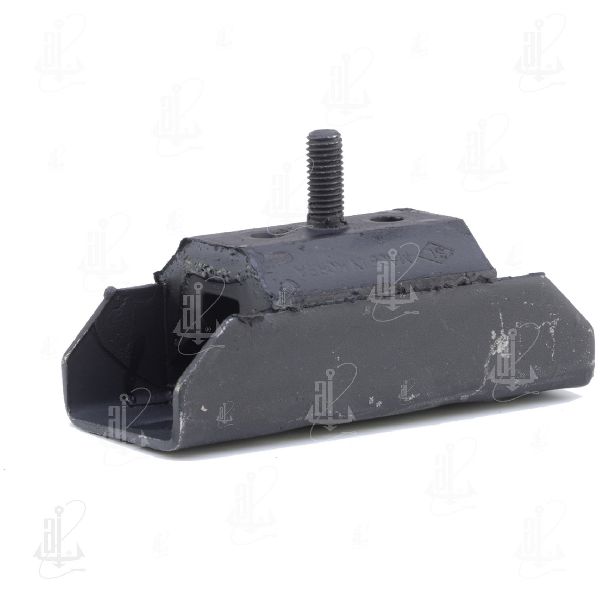
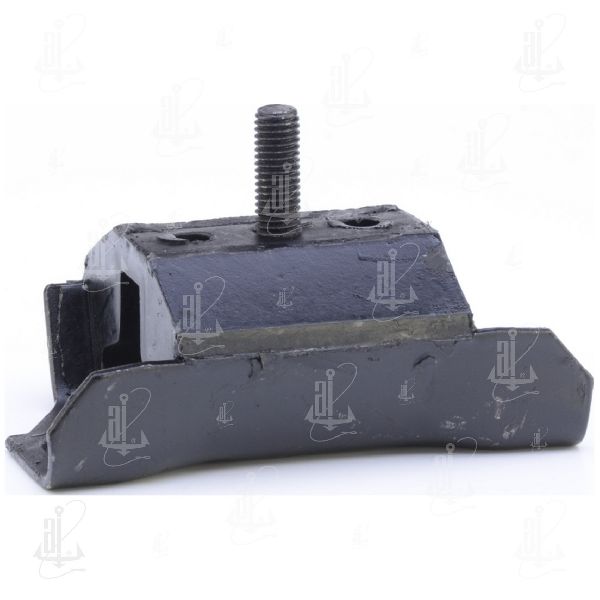
The 1975-1980 Buick Skylark uses a single rear transmission mount that bolts to the transmission tailshaft housing and the transmission crossmember. It is a non-hydraulic, solid rubber or polyurethane design.
We Have This Part in Stock

The information in this article is provided for general reference and educational purposes only. Vehicle specifications, procedures, and part compatibility can vary by production date, trim level, and region. Always consult your vehicle's factory service manual and verify part numbers before purchasing or performing repairs. Safety-critical components such as airbags, seat belts, and braking systems should be installed by a qualified professional.
- 🎬 Helpful Videos
- 🛍️ Shop This Part
- Is Your Transmission Mount Failing?
- Common Symptoms of Failure:
- Choosing the Right Aftermarket Mount
- Aftermarket Brand Tiers
- Standard Rubber Mounts (Anchor, DEA, Pioneer)
- Polyurethane Upgrades (Prothane, Lakewood)
- Known Issues, Recalls, or TSBs
- Frequently Asked Questions
- 🎟️ Get 5% Off