

A Guide to Replacing the A/C Compressor on a 1975-1980 Chevrolet G10
Get your classic Chevy van's air conditioning blowing cold again by choosing the right new compressor.
- Always replace the accumulator/drier and orifice tube when installing a new compressor to validate the warranty.
- A complete system flush is mandatory to remove old oil and debris that will destroy a new compressor.
- The original GM A6 and R4 compressors were prone to leaking from the seals, a problem often improved in new aftermarket parts.
- Consider converting your system from R12 to R134a refrigerant during the replacement for easier future service.
Understanding A/C Compressor Failure in Your 1975-1980 G10
If your Chevrolet G10's air conditioning isn't working, the compressor is a common suspect. These vans originally used large, heavy-duty compressors like the General Motors A6 or the later R4 style. While durable for their time, they are prone to failure from age, leaks, and lack of use. A seized compressor can even snap the drive belt, leaving you stranded. Recognizing the signs of a failing compressor can help you address the problem before it gets worse.
Symptoms of a Bad A/C Compressor:
- No Cold Air: The most obvious symptom. If the compressor clutch doesn't engage or the compressor is internally damaged, it can't circulate refrigerant.
- Loud Noises: Grinding or squealing when the A/C is turned on points to failing internal bearings or a damaged clutch. A loud bang followed by a hiss could mean the compressor case has failed catastrophically.
- Leaking Fluid: The original A6 compressors were known to seep some oil by design to keep the front seal lubricated. However, excessive oil slung under the hood or visible leaks of refrigerant oil (often mixed with green dye) around the compressor body indicate a bad seal and a loss of refrigerant.
- Clutch Not Engaging: If you turn on the A/C and don't hear a 'click' from the engine bay, the compressor clutch may be broken or there could be an electrical issue.
Critical Warning: Compressor 'Black Death'
When a compressor fails internally, it can send metal shavings and contaminated oil throughout the entire A/C system. This is known as "black death." If you replace only the compressor without flushing the system and replacing other key parts, the debris will destroy the new compressor very quickly. This is not covered by warranty.
Choosing a New Aftermarket A/C Compressor
Finding a brand-new OEM compressor from the 1970s is impossible. Your choices are remanufactured units or new aftermarket compressors. For reliability, a new aftermarket compressor is often the best choice, as they are built with modern materials and often have improved seal designs compared to the originals. Here’s a look at the available brands.
- ACDelco: As GM's official parts brand, ACDelco is a trusted choice. While they may not manufacture the compressor themselves for a vehicle this old, their parts typically meet high quality standards. They are a premium option for owners who want peace of mind.
- Four Seasons: A very popular and reputable aftermarket brand for A/C components. They offer a good balance of quality and affordability, making them a solid choice for most G10 owners. Many professional mechanics use and trust Four Seasons parts.
- Global Parts (GPD): Often positioned as a more budget-friendly option, GPD compressors can get the job done. While some users have reported issues, proper installation is key to the longevity of any brand.
Pro Tip: Replace Components as a Kit
To ensure a long life for your new compressor and validate its warranty, you must replace the A/C accumulator (or receiver/drier) and the orifice tube at the same time. You must also perform a complete system flush to remove old oil and any potential contaminants.
Estimated Replacement Costs
The cost to replace an A/C compressor in your G10 involves more than just the part itself. You must also account for labor and the necessary related components.
| Item | Estimated Cost |
|---|---|
| New Aftermarket Compressor | $165 - $540 |
| Accumulator/Drier & Orifice Tube | $30 - $70 |
| Shop Labor & System Recharge | $350 - $650 |
| Total Estimated Cost | $545 - $1,260 |
Note: Costs are estimates and can vary based on your location, the specific parts chosen, and your mechanic's labor rates.
Frequently Asked Questions
Do I have to replace other parts with the compressor?
Yes. To prevent immediate failure of your new compressor and to honor the warranty, you must replace the accumulator/receiver-drier and the orifice tube. A full system flush is also required to remove debris and old oil.
My van used R12 refrigerant. Can I use a new compressor?
Yes. New compressors are compatible with both original R12 and converted R134a systems. However, you must use the correct type of oil (PAG for R134a, Mineral oil for R12). If you are replacing the compressor, it is a good time to consider converting the system to R134a for easier and cheaper servicing in the future.
Is a new compressor better than a remanufactured one?
Generally, yes. While a high-quality remanufactured unit can be good, new aftermarket compressors are made entirely of new components and often benefit from modern manufacturing and improved designs. Many mechanics have had negative experiences with remanufactured compressors failing prematurely.
Can I replace the A/C compressor myself?
This is a job for an advanced DIYer. While the physical replacement is straightforward, the A/C system requires specialized tools, including a refrigerant recovery machine, vacuum pump, and manifold gauges. It is illegal to vent refrigerant into the atmosphere. For most owners, it is best to have a professional shop perform the final evacuation and recharge.
Technical Specifications
OEM Part Numbers: 1136470 1136502 1520109 1520187 6555302
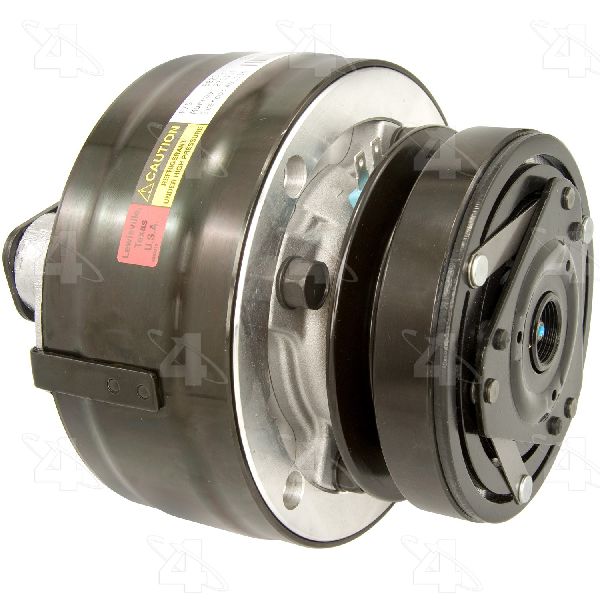
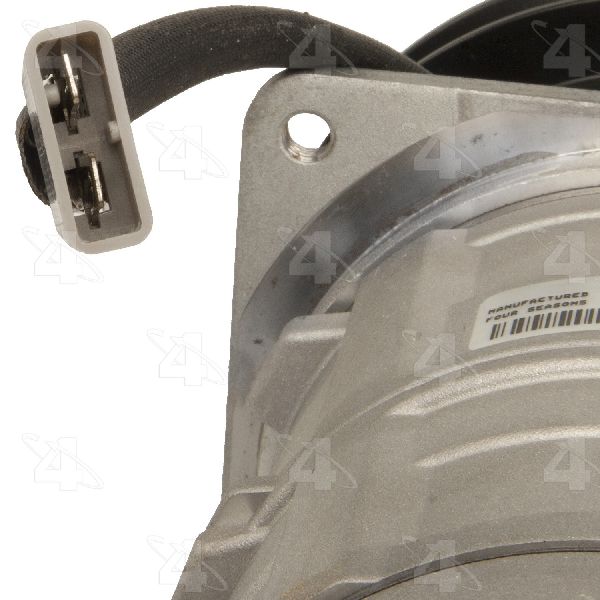
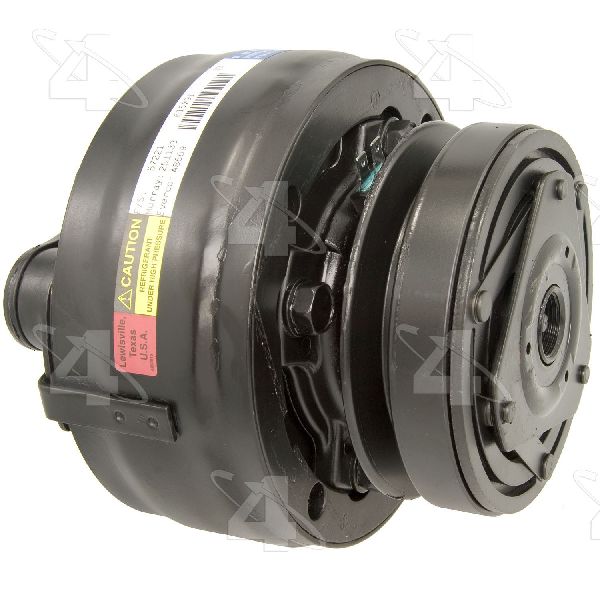
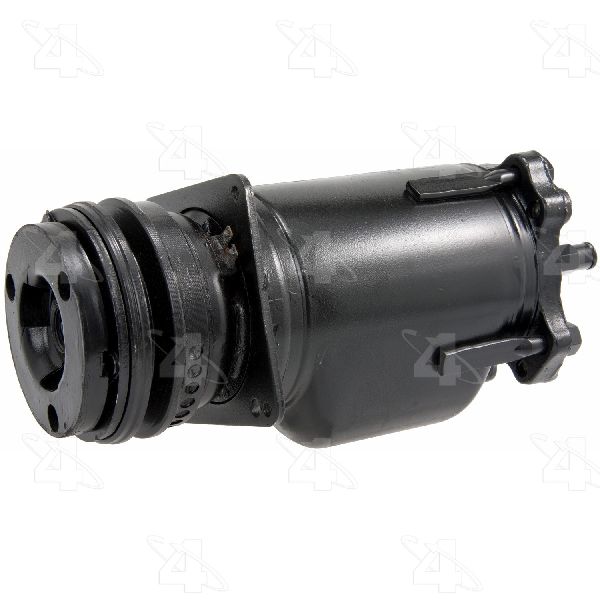
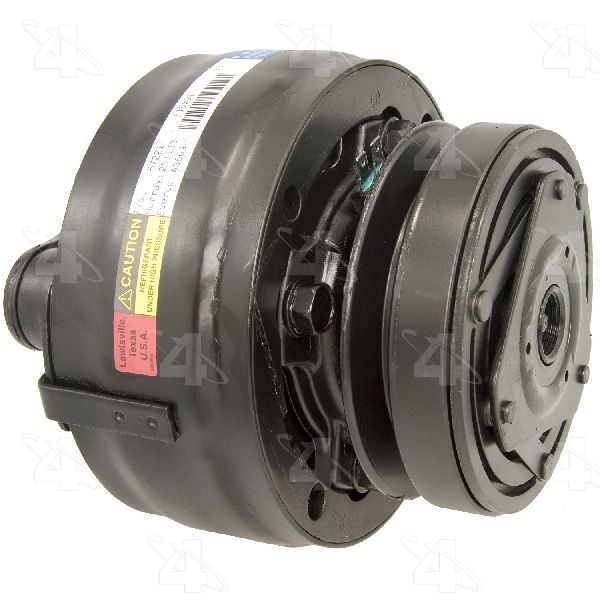
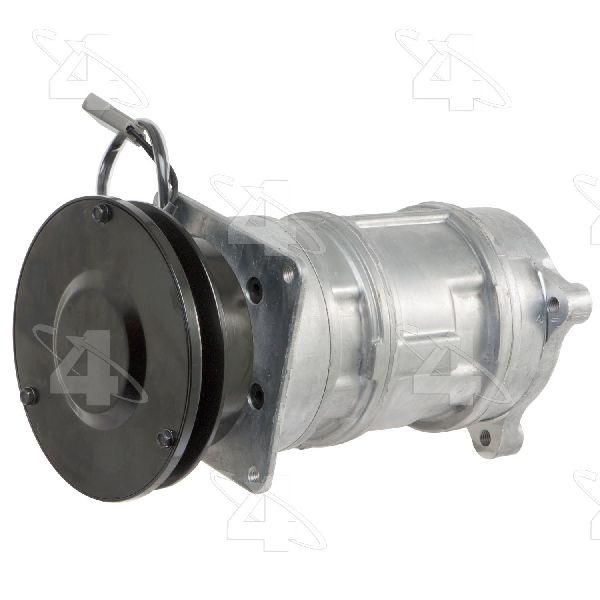
The 1975-1980 G10 likely used the General Motors A6 (long, cylindrical style) or R4 (radial, canister style) compressor. It is belt-driven with a V-groove pulley and uses an electromagnetic clutch. The original refrigerant was R12.
We Have This Part in Stock

The information in this article is provided for general reference and educational purposes only. Vehicle specifications, procedures, and part compatibility can vary by production date, trim level, and region. Always consult your vehicle's factory service manual and verify part numbers before purchasing or performing repairs. Safety-critical components such as airbags, seat belts, and braking systems should be installed by a qualified professional.
- 🛍️ Shop This Part
- Understanding A/C Compressor Failure in Your 1975-1980 G10
- Symptoms of a Bad A/C Compressor:
- Critical Warning: Compressor 'Black Death'
- Choosing a New Aftermarket A/C Compressor
- Pro Tip: Replace Components as a Kit
- Estimated Replacement Costs
- Frequently Asked Questions
- 🎟️ Get 5% Off