

A/C Compressor Replacement Guide for the 1975-1980 Chevrolet G30
Everything you need to know to get the A/C in your classic G30 van blowing cold again.
- Your G30's A/C system must be converted from R12 to R134a refrigerant, which requires flushing the system and using a compatible oil.
- When replacing the compressor, you MUST also replace the accumulator/drier and orifice tube to prevent immediate failure of the new part and to validate its warranty.
- For a vehicle this old, a new aftermarket compressor is generally a more reliable choice than a remanufactured one.
- Due to the need for specialized equipment for refrigerant handling, this repair is not recommended for most DIY mechanics.
Keeping Your Classic Cool: The 1975-1980 Chevrolet G30 A/C Compressor
The air conditioning system in your 1975-1980 Chevrolet G30 was a robust unit for its time, often featuring the large and durable Harrison A6 compressor. However, after decades of service, failure is common. When your compressor fails, you'll lose all cooling function. Understanding why it failed and how to choose the right replacement is key to a lasting repair.
Symptoms of a Failing A/C Compressor
- No Cold Air: This is the most obvious sign. If the compressor isn't engaging or has failed internally, the refrigerant won't be pressurized, and the system can't produce cold air.
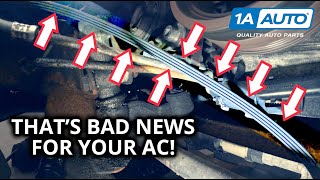
- Unusual Noises: Grinding, squealing, or rattling sounds when you turn on the A/C indicate a problem. These noises often come from failing internal bearings or a bad clutch assembly.
- Visible Leaks: The original A6 compressor was known to develop leaks at the front shaft seal over time. You might see a buildup of oily grime on the compressor body, which is a mix of refrigerant oil and dirt.
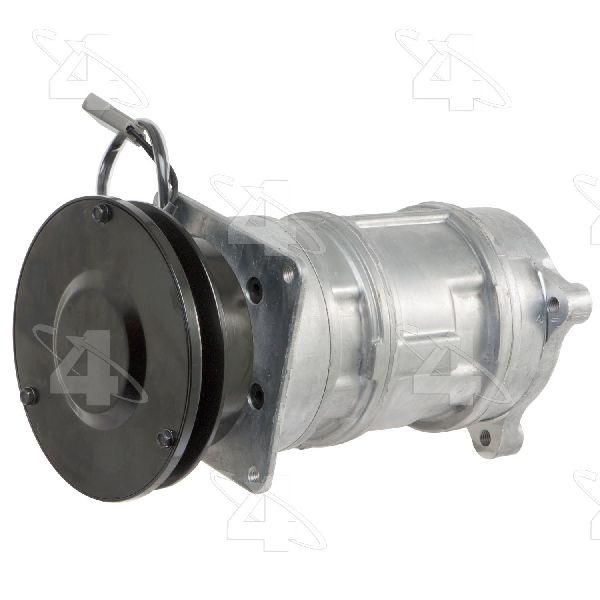
- Clutch Not Engaging: The compressor's clutch is an electromagnet that, when energized, connects the engine's accessory belt pulley to the compressor's internal pump. If you turn on the A/C and don't hear a distinct "click" or see the front plate of the compressor start spinning, the clutch may have failed.
The R12 to R134a Conversion Factor
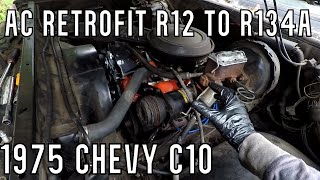
🎬 Watch a step-by-step guide on performing an R134a retrofit.Your G30 originally used R12 refrigerant, which is no longer available for public use. Nearly all systems today have been or will need to be converted to a modern refrigerant like R134a. This is critical when replacing your compressor. You must use a compressor and system oil (like PAG oil) that are compatible with R134a. Simply adding R134a to an old R12 system will lead to poor performance and premature failure. The conversion process requires flushing the entire system to remove old mineral oil and contaminants.
Choosing the Right Aftermarket Compressor
Since new OEM compressors for this era are no longer produced, your choice is between new aftermarket and remanufactured units. For a vehicle of this age, a new aftermarket compressor is often the best choice, as it contains all new parts and may include design improvements over the original.
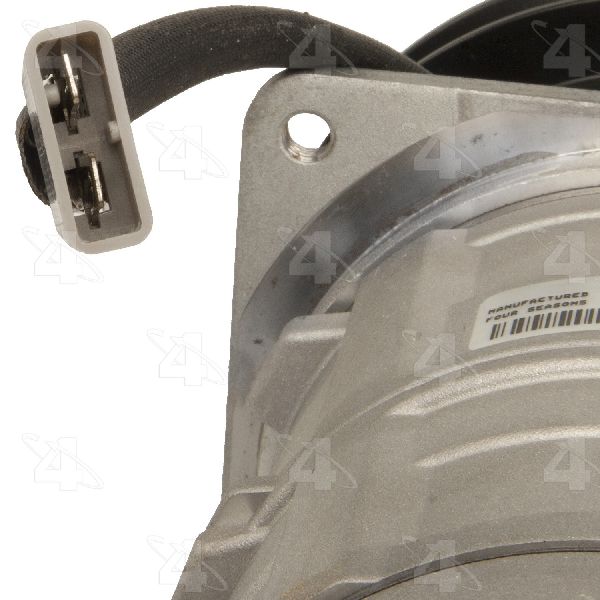
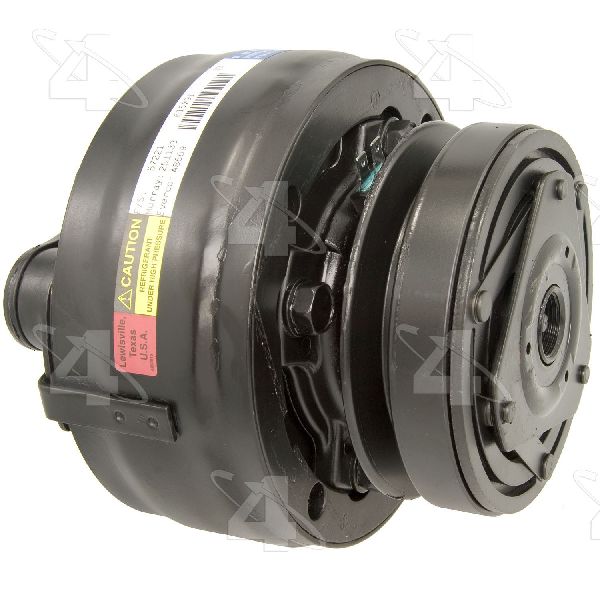
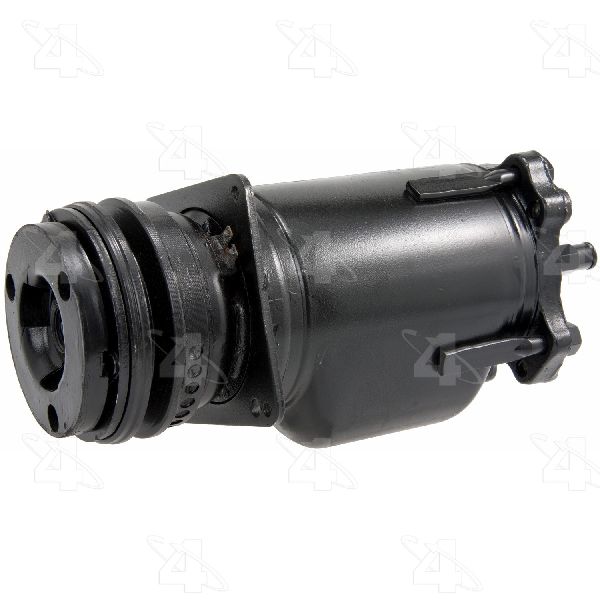
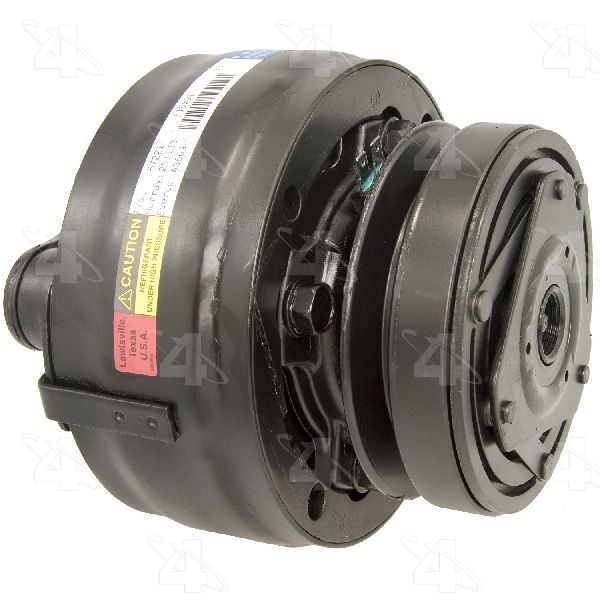
- New Aftermarket (Four Seasons, Global Parts/GPD): These are popular and widely available brands. They produce new compressors designed to meet or exceed original specifications. Forum discussions show mixed experiences with all aftermarket brands, but new units from reputable companies like Four Seasons are generally considered a reliable option, especially compared to remanufactured parts. Success often depends on a proper installation, including a full system flush and replacing other key components.
- Remanufactured: Remanufactured compressors are original units that have been rebuilt with new seals and wear items. Quality can be inconsistent, and they are often seen as a less reliable choice than a new unit.
Cost of Replacing a G30 A/C Compressor
Here is a general breakdown of costs you can expect. Prices can vary based on your location and the specific parts chosen.
| Part/Service | Estimated Cost |
|---|---|
| New Aftermarket Compressor | $165 - $540 |
| New OEM Compressor | Not Available |
| Remanufactured Compressor | $125 - $380 |
| Shop Labor (including system evacuation and recharge) | $300 - $500 |
Frequently Asked Questions
Do I have to convert to R134a refrigerant?
Yes. R12 refrigerant is heavily regulated and extremely expensive, making it impractical for most repairs. All modern replacement compressors are designed to be compatible with R134a and the corresponding PAG oil. The conversion is a standard part of the replacement process.
What is an A/C compressor clutch and does the new part include it?
The clutch is the front part of the compressor with a pulley that the belt rides on. It engages the compressor's internal pump when you turn the A/C on. Virtually all new and remanufactured compressors sold for the G30 come complete with a new clutch assembly installed.
Can I replace the compressor myself? 🎬 See how to physically swap the compressor on a Chevy G30.
While the physical unbolting and bolting of the compressor is straightforward for a skilled DIY mechanic, the full job requires specialized equipment. You need a set of manifold gauges and a vacuum pump to properly evacuate and recharge the system with refrigerant. Legally, the old refrigerant must be recovered by a certified shop; it cannot be vented into the atmosphere. For these reasons, A/C work is often best left to professionals.
Why did my original compressor fail?
After 40+ years, failure is often due to simple age and wear. The most common reasons are leaks at the shaft seal, internal bearing failure from loss of lubrication, or contamination within the system. Sometimes, a clutch will fail while the compressor is still good, but it's often more cost-effective to replace the entire unit.
Helpful Videos
Technical Specifications
OEM Part Numbers: 6555302
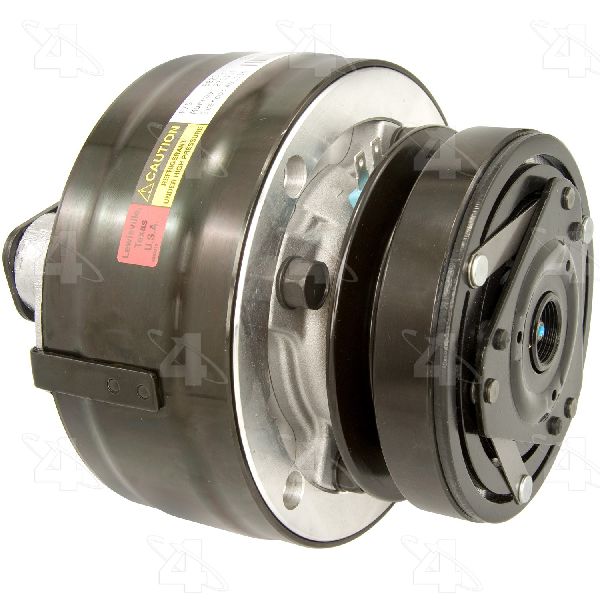
The most common original compressor was the Harrison A6, a large, heavy-duty axial 6-piston compressor. Replacements will be of this style or a more modern rotary design with adapter brackets. Most feature a single V-groove pulley with a diameter of approximately 5 inches.
We Have This Part in Stock

The information in this article is provided for general reference and educational purposes only. Vehicle specifications, procedures, and part compatibility can vary by production date, trim level, and region. Always consult your vehicle's factory service manual and verify part numbers before purchasing or performing repairs. Safety-critical components such as airbags, seat belts, and braking systems should be installed by a qualified professional.