

Accessory Drive Belt Guide for the 1975-1980 Dodge B100
Understand the multiple V-belts on your classic Dodge van and how to keep them in top shape.
- Your B100 uses multiple V-belts, not a single serpentine belt; inspect all of them for wear.
- Squealing noises, visible cracks, and accessory failure are key signs that a belt needs replacement.
- Choose quality aftermarket brands like Gates, Dayco, or Continental for reliable performance.
- Proper belt tension is crucial; too loose causes slipping, and too tight damages bearings.
Understanding Your B100's V-Belt System
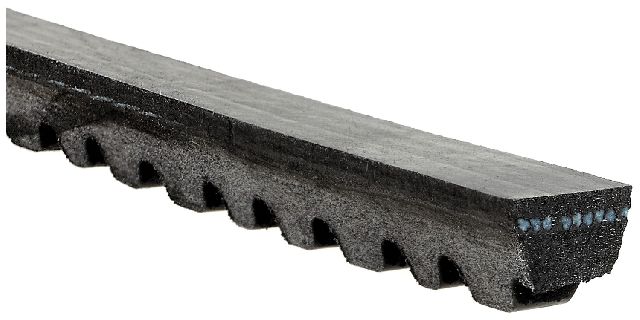
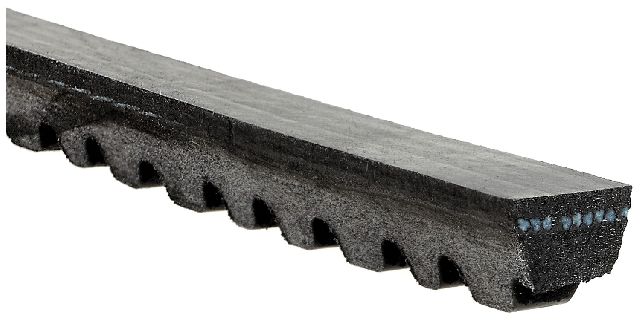
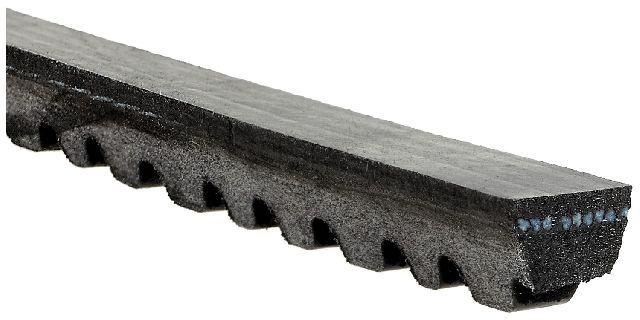
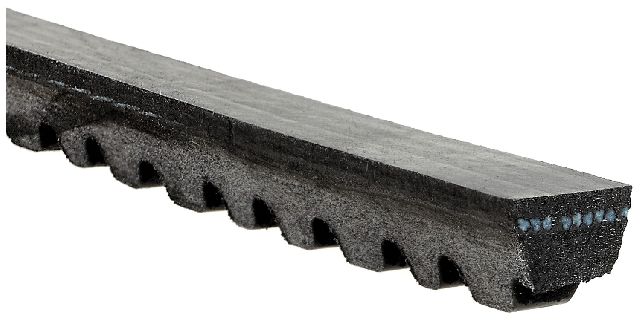
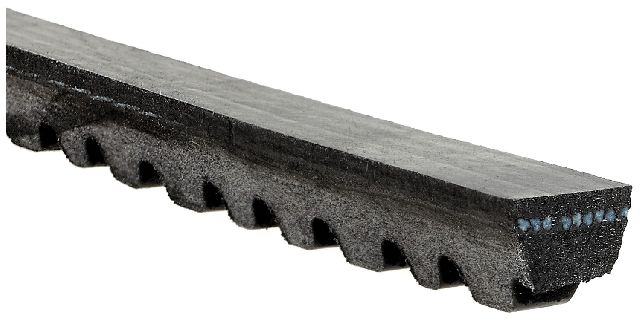
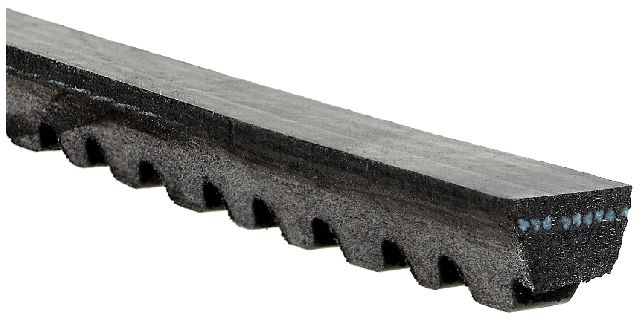
Unlike modern vehicles that use a single, wide serpentine belt, your classic 1975-1980 Dodge B100 uses a simpler, more traditional setup with multiple V-belts. Each belt typically drives one or two accessories. This means you'll have separate belts for components like the alternator, power steering pump, and A/C. While this system is straightforward, it requires inspecting multiple parts. If one belt fails, the accessory it powers will stop working.
Signs It's Time for a New Belt
Knowing the warning signs of a failing V-belt can save you from being stranded. Pay attention to these common symptoms:
- Squealing Noises: A high-pitched squeal, especially on startup or when turning the steering wheel, is the most common sign of a loose or worn belt.
- Visible Damage: Look at the belts. If you see cracks, fraying, glazing (a shiny surface), or missing chunks, it's time for a replacement.
- Accessory Malfunctions: If your battery isn't charging (dim lights, battery warning light), the power steering feels heavy, or the A/C stops blowing cold, the belt responsible for that component may have failed or be slipping badly.
- Overheating: If the belt that drives your water pump fails, the engine can overheat quickly, which can cause serious damage.
Check Belt Tension
Proper tension is critical. A belt that's too loose will slip and squeal, while a belt that's too tight can damage the bearings in your alternator or water pump. As a rule of thumb, you should be able to twist the belt about a half-turn (90 degrees) at the longest point between pulleys.
Choosing the Right Aftermarket Belts
For a vehicle of this age, original OEM belts are no longer available. Fortunately, the aftermarket offers excellent, high-quality options. Brands like Gates, Dayco, and Continental are all reputable manufacturers that supply parts to automakers, so their quality is often equivalent to or even better than the original belts.
- Gates: Often considered a top-tier choice by many mechanics, known for durability.
- Dayco: A solid, reliable brand that produces quality belts often used as OEM alternatives.
- Continental: Another major OEM supplier with a strong reputation for quality rubber products.
Pro Tip: When one belt shows signs of wear, it's a good idea to inspect all of them and consider replacing them as a set. Since they are all made of similar materials and have been operating for the same amount of time, others are likely nearing the end of their life too.
Accessory Drive Belt Replacement Cost
The cost to replace the V-belts on your B100 is very reasonable. The parts themselves are inexpensive, and the labor is straightforward for a DIYer or a professional mechanic.
| Part/Service | Estimated Cost |
|---|---|
| New Aftermarket Belts (per belt) | $7.33 - $39.61 |
| Shop Labor (per belt) | $50 - $100 |
| Total DIY Cost (all belts) | $20 - $120 |
| Total Professional Cost (all belts) | $100 - $350 |
Frequently Asked Questions
How many belts does my 1975-1980 Dodge B100 have?
It depends on your van's specific engine and options (like A/C and power steering). Most will have between two and four individual V-belts. You will need to identify which belts your van requires based on its configuration.
Is replacing the drive belts a good DIY job?
Yes, for most people with basic hand tools. The process involves loosening the bolts on an accessory (like the alternator), slipping the old belt off and the new one on, and then re-tensioning the accessory to get the belt tight. Always disconnect the battery before starting.
Are there any recalls or TSBs for my B100's drive belts?
No. There are no recalls or Technical Service Bulletins (TSBs) from NHTSA related to the accessory drive belts for the 1975-1980 Dodge B100. This is a standard wear-and-tear maintenance item.
Should I use belt dressing on a squeaky belt?
No. Belt dressing is a temporary fix that can attract dirt and cause the belt to deteriorate faster. A squeak is a sign that the belt needs to be properly tensioned or replaced.
Technical Specifications
This vehicle uses a multiple V-belt system. The exact number, length, and width of the belts depend on the engine (Slant-6 or V8) and the accessories installed (A/C, power steering). Belts must be matched by vehicle configuration.
We Have This Part in Stock

The information in this article is provided for general reference and educational purposes only. Vehicle specifications, procedures, and part compatibility can vary by production date, trim level, and region. Always consult your vehicle's factory service manual and verify part numbers before purchasing or performing repairs. Safety-critical components such as airbags, seat belts, and braking systems should be installed by a qualified professional.