

Choosing the Right New Carburetor for Your 1975-1980 Dodge B100
Get your classic Dodge van running smoothly again by picking the perfect replacement carburetor for your engine.
- First, confirm your engine size (3.7L Slant-6, 5.2L V8, or 5.9L V8) as it determines the correct carburetor type.
- Your main choices are a direct-fit remanufactured carburetor (like Uremco) for originality or a new performance carburetor (like Edelbrock) for a potential power upgrade.
- Symptoms like stalling or hard starting can also be caused by fuel delivery problems; check your fuel filter and pump before replacing the carburetor.
- Upgrading from a stock 2-barrel to a 4-barrel carburetor will require a new intake manifold.
Is Your Carburetor Failing? Common Symptoms on a 1975-1980 B100
An old carburetor can cause a lot of headaches. If you're experiencing any of these issues, your carburetor might be the culprit. Keep in mind that on a classic vehicle, problems like a clogged fuel filter or a weak fuel pump can mimic carburetor issues. Always check the basics first.
- Rough Idle or Stalling: The engine runs unevenly at a stop or shuts off completely.
- Hard Starting: The engine cranks for a long time before it starts, either when it's cold or hot.
- Black Smoke from Exhaust: This indicates the engine is running "rich," meaning too much gasoline is entering the cylinders.
- Poor Fuel Economy: You're filling up the gas tank more often than you used to.
- Hesitation or Stumbling: When you press the gas pedal, the van hesitates or loses power before accelerating. This can be due to a bad accelerator pump.
- Visible Fuel Leaks: You can see gasoline dripping from the carburetor body, which is a serious fire hazard.
No Recalls, But Age is a Factor
There are no active recalls or technical service bulletins (TSBs) from the NHTSA for carburetors on the 1975-1980 Dodge B100. This is normal for a vehicle of this age. All issues you encounter will be due to normal wear and tear over several decades of use.
Choosing Your New Aftermarket Carburetor
Finding a brand-new original carburetor from Mopar is nearly impossible. Your main choices are a remanufactured stock-style unit or a new aftermarket performance carburetor. Your engine is the most important factor in your decision.
First, Identify Your Engine:
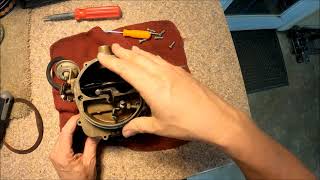
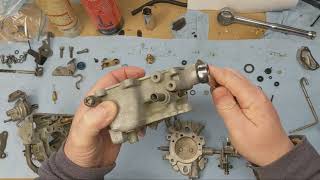
- 3.7L (225 ci) Slant-6: This engine originally used a 1-barrel carburetor, like a Carter BBS or Holley 1945. 🎬 See a detailed teardown and rebuild of the Holley 1945.
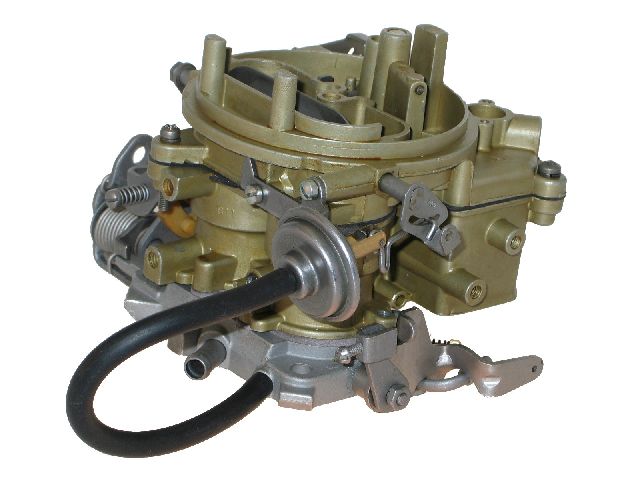
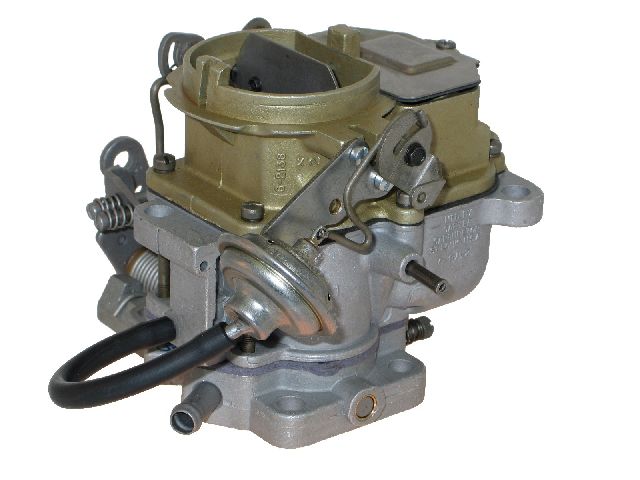
- 5.2L (318 ci) V8: This common V8 typically came with a 2-barrel carburetor, like a Carter BBD.
- 5.9L (360 ci) V8: This larger V8 also used a 2-barrel carburetor, but could also be found with a 4-barrel option.
| Brand Tier | Description | Best For |
|---|---|---|
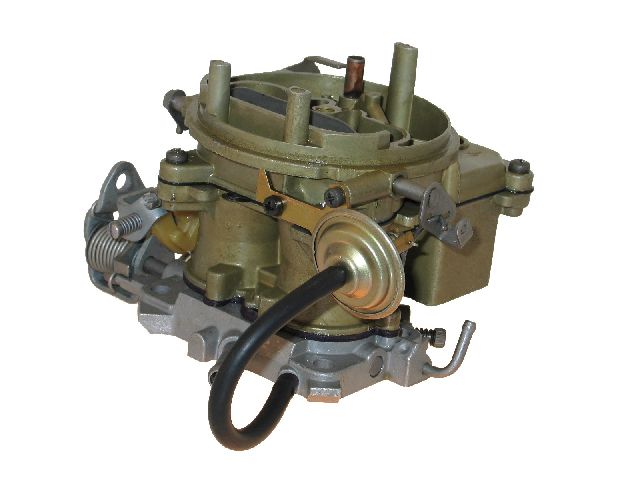
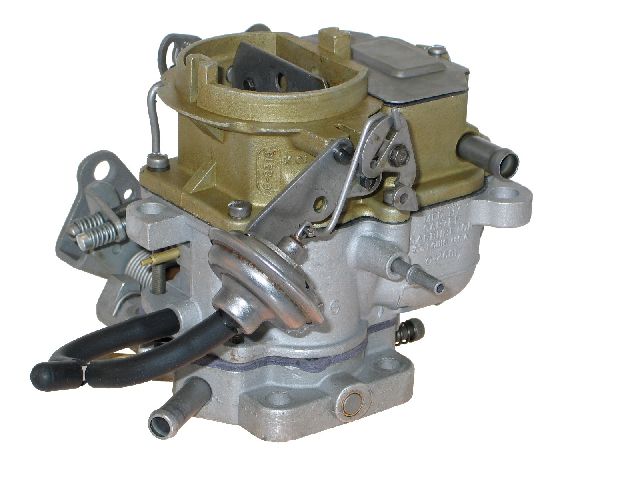
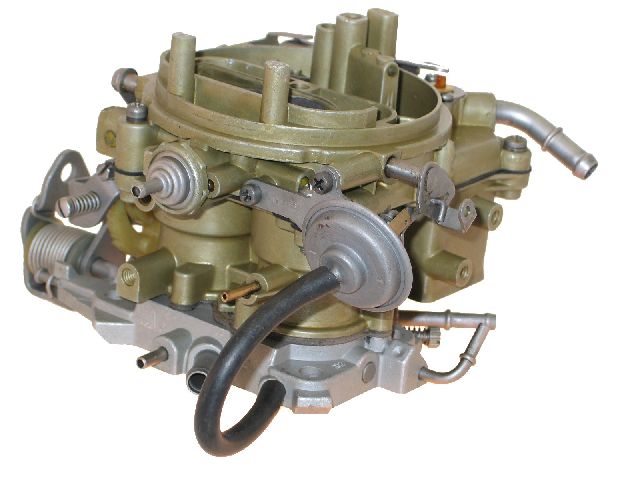
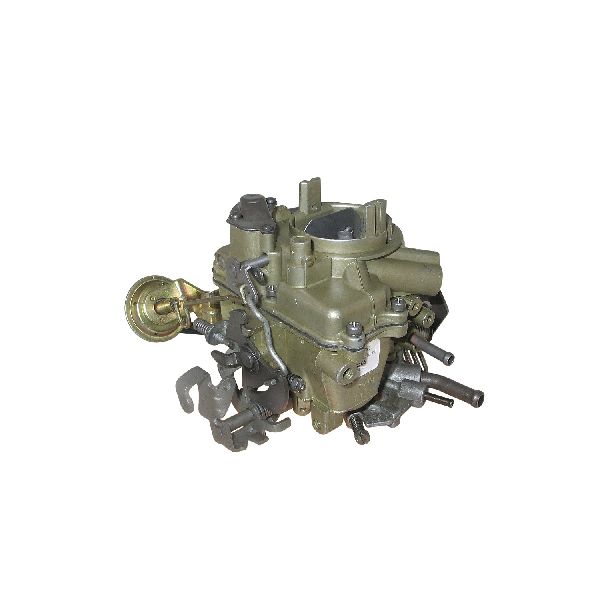
| Stock Replacement (Remanufactured) Example: Uremco |
These are original carburetors that have been professionally rebuilt. They are designed to be a direct, bolt-on replacement with no modifications needed. Quality can vary; some work perfectly out of the box, while others have been known to have quality control issues like missing parts. | Owners who want to keep their van as original as possible and prefer a simple, direct-fit installation. |
| Performance Upgrade (New) Example: Edelbrock |
These are brand-new carburetors designed for improved performance and reliability. Edelbrock is a popular choice for Mopar V8s and is often praised for being easy to tune and reliable for street driving. Upgrading from a 2-barrel to a 4-barrel Edelbrock will provide a noticeable power increase but also requires a new 4-barrel intake manifold. | Owners with V8 engines looking for a boost in performance and reliability, and who don't mind potentially upgrading the intake manifold as well. |
A Note on "China Carbs"
Be cautious of very cheap, unbranded carburetors often found on sites like Amazon or eBay. While the price is tempting, many owners report significant issues with quality, fitment, and tuning that make them more trouble than they are worth. Sticking with a reputable brand is a safer investment.
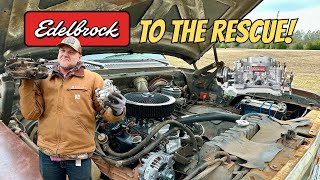
🎬 Watch why swapping a cheap carb for an Edelbrock pays off.Frequently Asked Questions (FAQ)
Do I need a 2-barrel or 4-barrel carburetor?
Most 318 and 360 V8 engines in the B100 came with a 2-barrel carburetor from the factory. A 2-barrel is fine for stock performance and daily driving. A 4-barrel carburetor, like an Edelbrock, is a performance upgrade that will provide more power, especially at higher RPMs. However, to install a 4-barrel carb on an engine that had a 2-barrel, you will also need to replace the intake manifold.
What is the difference between a manual and electric choke?
The choke helps start a cold engine by providing a richer fuel mixture. A manual choke is operated by a cable you pull inside the cab. An electric choke, common on aftermarket carbs like Edelbrock, operates automatically using a heat-sensitive spring. For convenience, an electric choke is the preferred modern option for most drivers.
Is replacing a carburetor a good DIY job?
Yes, for someone with basic mechanical skills, replacing a carburetor is a manageable job. It involves disconnecting the fuel line, throttle linkage, and vacuum hoses, and then unbolting the old carburetor. The job requires few special tools and can typically be done in a couple of hours. 🎬 Watch this step-by-step guide to installing a new BBD carburetor. Just be sure to work safely, disconnect the battery, and have a fire extinguisher nearby.
Should I rebuild my original carburetor instead?
Rebuilding is a valid option if your original carburetor is still in decent shape. Rebuild kits are available and are inexpensive. However, rebuilding can be complex, and internal passages can be clogged beyond simple cleaning. Furthermore, the throttle shafts can wear out over time, causing vacuum leaks that a standard rebuild kit won't fix. A new or professionally remanufactured carburetor provides a fresh start with reliable components.
Helpful Videos
Technical Specifications
Primary engine options for this period were the 225 cu in Slant-6, 318 cu in V8, and 360 cu in V8. Original carburetors were typically 1-barrel Carter BBS (Slant-6) or 2-barrel Carter BBD (V8s).
We Have This Part in Stock

The information in this article is provided for general reference and educational purposes only. Vehicle specifications, procedures, and part compatibility can vary by production date, trim level, and region. Always consult your vehicle's factory service manual and verify part numbers before purchasing or performing repairs. Safety-critical components such as airbags, seat belts, and braking systems should be installed by a qualified professional.