

Essential Guide to the Engine Timing Set for 1975-1980 Dodge B100 Vans
Keep your classic Dodge B100 running strong by understanding when and how to replace your engine's timing set.
- Identify your engine (225 Slant-6, 318 V8, or 360 V8) before ordering parts.
- A rattling noise from the front of the engine at idle is the most common symptom of a worn timing chain.
- Upgrading from an original nylon gear to an all-metal aftermarket set is a significant improvement in durability.
- For a few dollars more, a double-roller timing set offers the best strength and longevity, especially for V8s.
Is Your B100's Timing Set Failing?
Before you can choose a new part, you need to know if the old one is bad. The engines in these vans, typically the 225 Slant-6, 318 V8, or 360 V8, will give you clear signs when the timing chain is worn out. A common issue on the V8 models was the original camshaft gear, which was often made with nylon-coated teeth that break down and fall off over time, causing excessive slack in the chain.
Common Failure Symptoms
- Rattling Noise at Idle: The most common sign is a rattling or clattering sound from the front of the engine, especially when it's first started or at idle. This is the sound of the loose chain slapping against the inside of the timing cover.
- Poor Engine Performance: A stretched chain retards the camshaft timing, which can cause a loss of power, especially at low RPMs, and poor fuel economy.
- Engine Misfires or Backfiring: As the timing becomes more erratic, it can lead to engine misfires, rough idling, or backfiring when you let off the gas.
- Metal Shavings in Oil: During an oil change, finding small bits of metal (or pieces of nylon from an original gear) in the oil pan is a sure sign of a timing set coming apart.
Choosing the Right Aftermarket Timing Set
Since new original equipment (OEM) parts are no longer available for these vans, the aftermarket is your only option. Fortunately, the quality of aftermarket sets is often an upgrade over the original, especially when replacing a factory nylon-toothed gear with an all-metal set.
Brand Quality Tiers
Your choice of brand depends on your budget and how you use your van.
Tier 1: Standard OE Replacement
These brands are a great choice for a stock daily driver or a basic engine rebuild. They offer reliable, all-metal components that meet or exceed original specifications.
- Melling: A highly respected name in engine parts. Melling timing sets are known for their quality and durability, often praised in forums for being tight and reliable right out of the box.
- Cloyes: Another long-standing, popular brand. While their high-end sets are excellent, some recent experiences with their standard sets have noted excessive chain slack. Still a viable option, but inspect it carefully before installation.
- INA: A well-regarded manufacturer, often of bearings and valvetrain components. An INA set will provide reliable, standard-quality service.
Tier 2: Performance & Heavy-Duty Upgrade
If you're building a performance engine, tow heavy loads, or simply want the most durable option, these are worth the extra cost. Many of these are 'double roller' sets, which use two rows of rollers for increased strength and more precise timing.
- Edelbrock: Known for performance, Edelbrock offers high-quality timing sets designed for durability and precise timing, making them a great choice for a modified engine.
- Melling Select Performance: Melling's high-performance line offers premium materials and manufacturing for builders who demand extra strength and reliability.
- Cloyes (True Roller): The higher-end 'True Roller' or billet sets from Cloyes are considered top-quality and are a favorite among Mopar engine builders.
| Part Tier | Price Range | Best For |
|---|---|---|
| Standard Replacement (e.g., Melling, INA) | $31.57 - $75.00 | Stock engines, daily drivers, budget rebuilds |
| Performance Upgrade (e.g., Edelbrock, Cloyes True Roller) | $75.00 - $167.28 | Modified engines, towing, maximum durability |
Pro Tip: While You're In There
Replacing the timing set requires removing the water pump and timing cover. This is the perfect time to also replace the water pump, timing cover gasket, and the front crankshaft seal. It's a small additional cost that prevents you from having to do the same job twice if one of those parts fails later.
Frequently Asked Questions (FAQ)
Can I replace the timing set myself?
Yes, if you have moderate mechanical skill and the right tools. The job requires draining the coolant, removing the radiator, belts, water pump, harmonic balancer (which needs a special puller tool), and timing cover. It's a full day's work for a first-timer, but very doable.
What is a 'double roller' chain and do I need one?
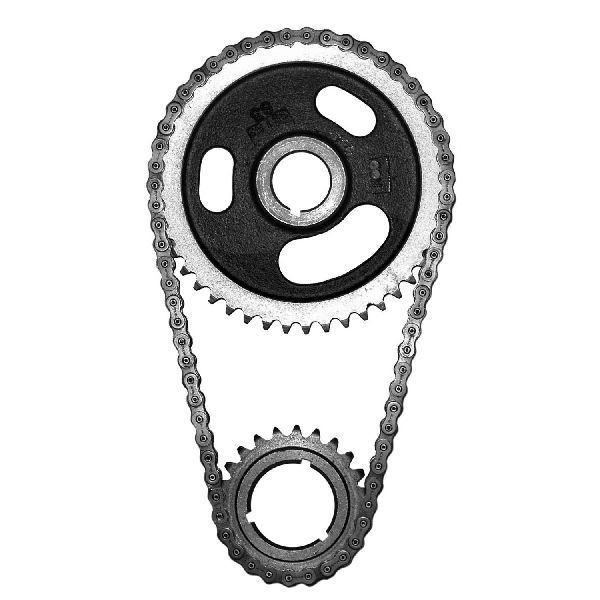
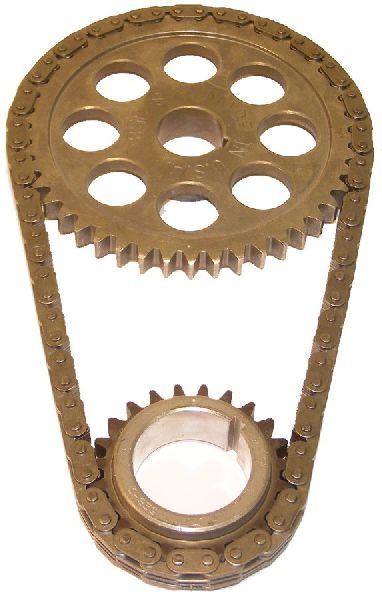
A double roller chain is a heavy-duty style of timing chain with two sets of rollers, making it stronger and less prone to stretching than a standard 'silent' or link-plate chain. For a stock engine, it's a durable upgrade but not strictly necessary. For any performance use, it is highly recommended.
Are there any recalls on the B100 timing set?
No. A search of the National Highway Traffic Safety Administration (NHTSA) database shows no recalls or technical service bulletins (TSBs) for the timing set on the 1975-1980 Dodge B100. Any failure today is due to the age and normal wear of the original components.
Should I get a timing set with a tensioner?
For the Mopar V8 and Slant-6 engines of this era, a tensioner is generally not required when using a quality double-roller timing chain. These chains are designed to run without one. Some builders add them as a modification, but it is not a standard part of the replacement.
Technical Specifications
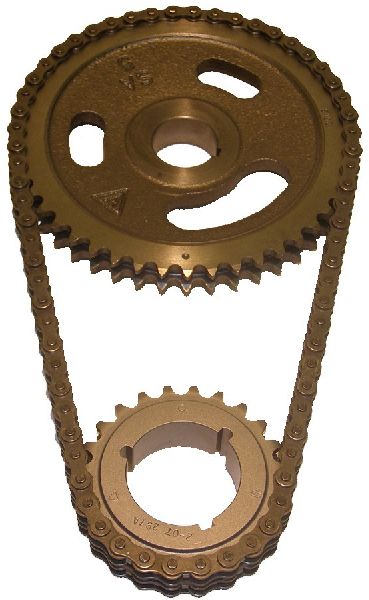
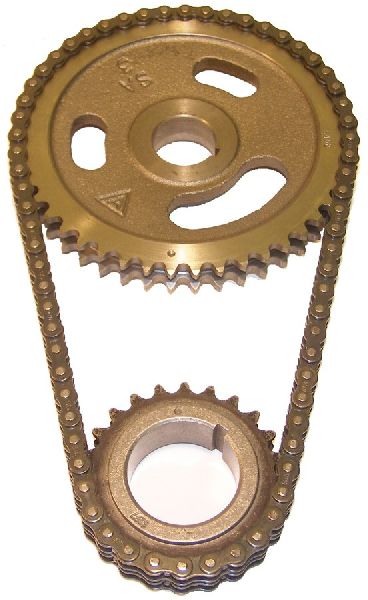
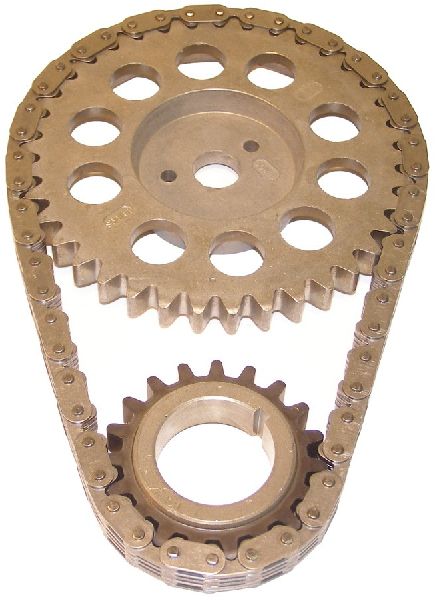
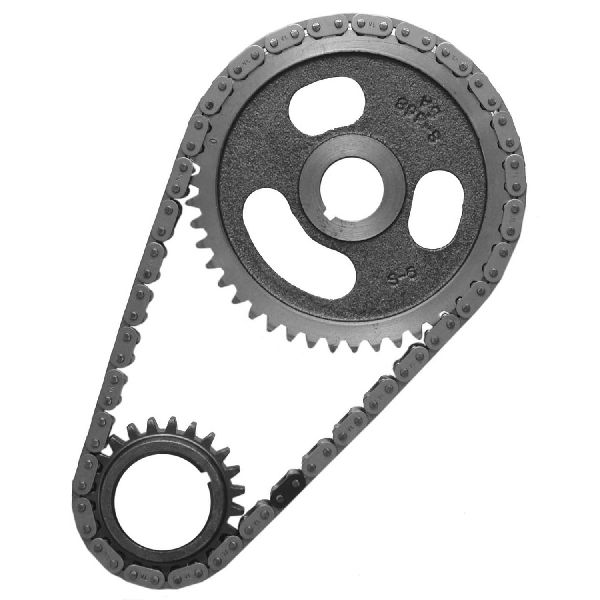
Varies by engine (225ci Slant-6, 318ci V8, 360ci V8). Consists of a camshaft gear, crankshaft gear, and timing chain.
We Have This Part in Stock

The information in this article is provided for general reference and educational purposes only. Vehicle specifications, procedures, and part compatibility can vary by production date, trim level, and region. Always consult your vehicle's factory service manual and verify part numbers before purchasing or performing repairs. Safety-critical components such as airbags, seat belts, and braking systems should be installed by a qualified professional.