

Ignition Coil Guide for the 1975-1980 Dodge B100
Get your classic Dodge van running smoothly with the right ignition coil and avoid common starting problems.
- A failing ignition coil is a common cause of misfires, stalling, and no-start issues on a 1975-1980 B100.
- For most owners, a standard replacement coil from a brand like Standard Ignition or NGK is a reliable and cost-effective choice.
- Always check if your system uses an external ballast resistor and replace it with the coil to prevent premature failure.
- Replacement is a simple DIY job that can be done in under 30 minutes with basic tools.
Is Your B100 Van Acting Up? It Could Be the Ignition Coil.
If you own a classic 1975-1980 Dodge B100, you know that keeping the simple ignition system in good shape is key to reliability. The ignition coil is a common part to fail due to age and heat. A bad coil can cause everything from a rough idle to leaving you stranded. The good news is that it's an affordable and easy part to replace yourself.
Symptoms of a Failing Ignition Coil
A weak or dead ignition coil can cause several noticeable problems. Here’s what to look for:
- Engine Misfires: The engine may sputter, shake, or feel like it's losing power while you drive. This is often most noticeable when accelerating.
- Hard Starting or No Start: You might find the engine cranks for a long time before it starts, or it may not start at all. This happens when the coil can't produce enough voltage for a spark. 🎬 See how to troubleshoot no-spark issues on Mopar ignition systems.
- Stalling: The engine may die unexpectedly, either at idle or while driving. This can happen when the coil gets hot and fails intermittently.
- Poor Fuel Economy: When the coil is weak, the engine doesn't burn fuel efficiently, leading to more trips to the gas station.
- Backfiring: In some cases, unburned fuel can ignite in the exhaust system, causing a loud pop or bang.
Don't Forget the Ballast Resistor
Most 1975-1980 Dodge B100s use an external ballast resistor with the ignition coil. This small ceramic piece reduces the voltage going to the coil during normal operation to prevent it from overheating. When you start the engine, the resistor is bypassed to allow a full 12 volts for a stronger starting spark. If you are replacing your coil, it's a good idea to replace the ballast resistor at the same time. Always make sure your new coil is compatible with your vehicle's ballast resistor system.
Choosing the Right Aftermarket Ignition Coil
Since original OEM parts for this van are no longer made, you'll be choosing from aftermarket brands. Quality can vary, but even standard replacement parts are often as good or better than the original 1970s technology.
Standard Replacement Coils
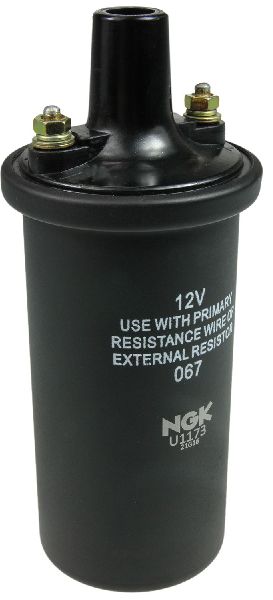
For a stock B100 used for daily driving or hauling, a standard replacement coil is all you need. These are designed to meet or exceed the original factory specifications and offer reliable performance. Brands like Standard Ignition (SMP), NGK, and Spectra are well-regarded choices that provide excellent value and durability. They are direct-fit parts that will work correctly with your existing ignition system.
Performance Upgrade Coils
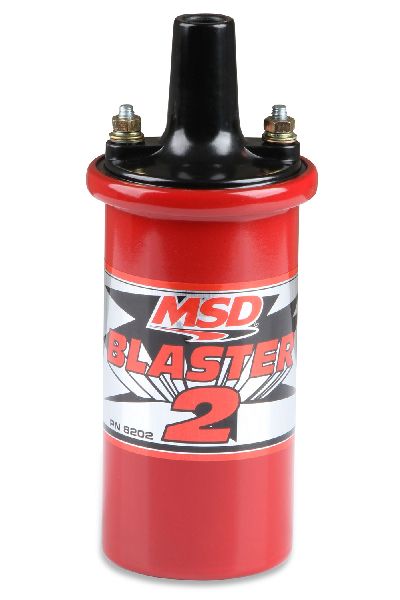
If you're looking for a stronger spark, potentially for a modified engine or just for peace of mind, performance brands are an option. MSD and Accel are popular choices in the classic Mopar community. These coils often boast higher voltage outputs, which can help ensure a complete burn of the air/fuel mixture. An MSD Blaster 2 is a common upgrade. 🎬 Watch a test drive of an MSD coil upgrade here. While some owners report great success and improved performance, others feel a high-output coil is unnecessary for a stock engine.
| Tier | Brands | Typical Price Range | Notes |
|---|---|---|---|
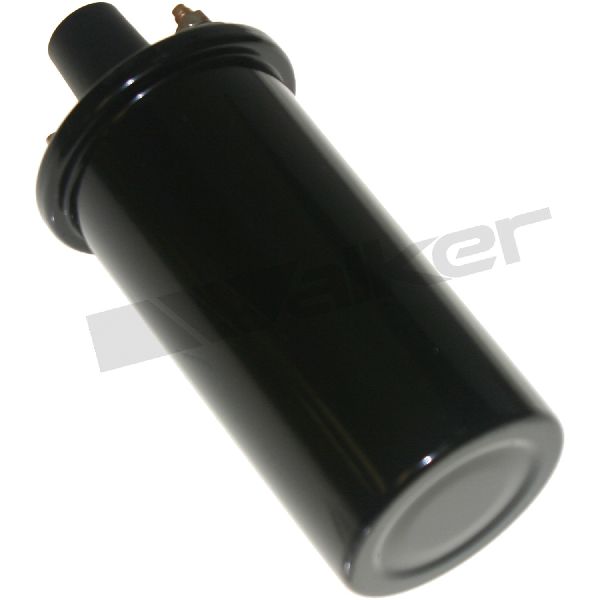
| Standard Replacement | Standard Ignition, NGK, Spectra, Walker Products | $20 - $45 | Reliable, cost-effective choice for stock vehicles. Often the same quality as parts store house brands. |
| Value Options | DriveWire, Global Parts, WAI Global | $20 - $35 | Basic, functional replacements. Good for budget-conscious repairs. |
| Performance Upgrade | MSD, Accel | $50 - $85+ | Higher voltage output. Popular for modified engines or for owners wanting a stronger spark. May require specific wiring or ballast resistor changes. |
Pro Tip: Check for Known Issues
No specific recalls or Technical Service Bulletins (TSBs) from Dodge exist for the ignition coil on these vintage vans. Any issues you encounter will be due to the age of the components. If a new coil fails quickly, check for other problems like a bad ballast resistor, faulty wiring, or excessive heat from an exhaust leak near the coil.
Frequently Asked Questions
Can I replace the ignition coil myself?
Yes, this is a very simple job for a DIY mechanic. The coil is usually held by a single bracket and has two small wires and one large wire to the distributor. The entire job typically takes less than 30 minutes with basic hand tools.
Do I need a performance coil like MSD or Accel?
For a stock engine, a standard replacement coil from a brand like Standard Ignition or NGK is perfectly adequate. A performance coil may offer a hotter spark, which can be beneficial for modified engines, but it is not a requirement for a reliable daily driver.
What is a ballast resistor and do I need one?
A ballast resistor is a ceramic block that reduces voltage to the coil to prevent it from overheating. Your 1975-1980 B100 most likely came with one from the factory. It's critical to use a coil that is designed to work with a ballast resistor, or you risk burning out the new coil quickly. When in doubt, replace the resistor along with the coil.
What's the difference between an oil-filled and an epoxy-filled coil?
Traditional coils are filled with oil to help dissipate heat. Newer designs often use epoxy. For a vintage application like the B100, a quality oil-filled canister coil (like those from Standard Ignition or MSD) is a great choice and matches the original style.
Helpful Videos

![No Spark Troubleshooting [Mopar Electronic Ignition with Ballast Resistor]](https://img.youtube.com/vi/RiC8OaSXMs8/mqdefault.jpg)
Technical Specifications
Most 1975-1980 Dodge B100 models use a 12-volt, canister-style, oil-filled ignition coil designed for use with an external ballast resistor. The ignition system is a distributor-based electronic type.
We Have This Part in Stock


The information in this article is provided for general reference and educational purposes only. Vehicle specifications, procedures, and part compatibility can vary by production date, trim level, and region. Always consult your vehicle's factory service manual and verify part numbers before purchasing or performing repairs. Safety-critical components such as airbags, seat belts, and braking systems should be installed by a qualified professional.
- 🎬 Helpful Videos
- 🛍️ Shop This Part
- Is Your B100 Van Acting Up? It Could Be the Ignition Coil.
- Symptoms of a Failing Ignition Coil
- Don't Forget the Ballast Resistor
- Choosing the Right Aftermarket Ignition Coil
- Standard Replacement Coils
- Performance Upgrade Coils
- Pro Tip: Check for Known Issues
- Frequently Asked Questions
- 🎟️ Get 5% Off