

Choosing the Right Spark Plugs for Your 1975-1980 Dodge B100 Van
Get your classic van running smoothly by selecting the correct spark plugs for your specific engine.
- You must identify your engine (Slant-6, 318 V8, or 360 V8) before buying plugs.
- If you have a Slant-6, remove a plug to check if you need tapered-seat (5/8" socket) or gasket-seat (13/16" socket) plugs.
- Standard copper plugs from brands like NGK, Champion, or Autolite are the best and most cost-effective choice for these engines.
- Always verify the spark plug gap is set to 0.035" before installation.
Before You Buy: Identify Your Engine
The single most important step is to know which engine is in your 1975-1980 Dodge B100. During this period, Dodge offered three common engines, and each requires a different spark plug. Popping the engine cover (the "doghouse") will reveal either a long inline-6 cylinder engine or a wider V-shaped 8-cylinder engine.
- 225 cubic inch (3.7L) "Slant-6": A long engine block with all 6 spark plugs in a single, easy-to-see row.
- 318 cubic inch (5.2L) V8: A V-shaped engine with 4 spark plugs on each side. This is a very common Mopar engine.
- 360 cubic inch (5.9L) V8: Looks nearly identical to the 318 V8. The engine size is sometimes cast into the side of the block.
Critical for Slant-6 Owners: Check Your Cylinder Head Style
Around 1975, the cylinder head design for the Slant-6 engine changed. Because engines are often swapped in these classic vans, you must check which style you have. Using the wrong plug type will prevent it from sealing correctly. Pull one spark plug out to check:
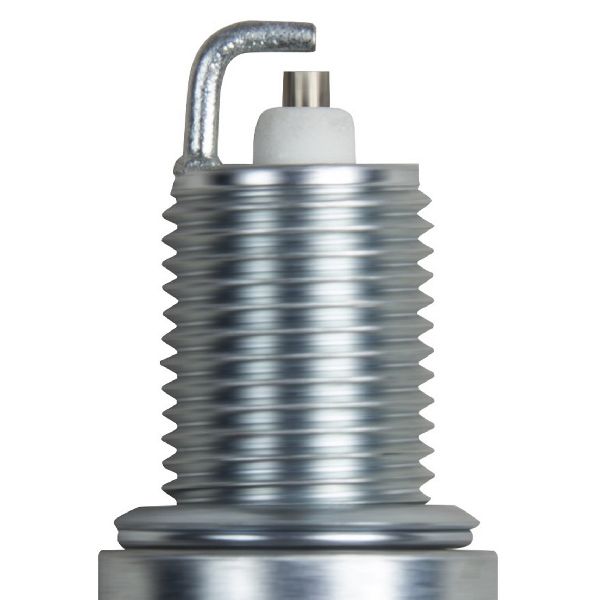
- Gasket Seat (Pre-1975 style): This plug has a flat metal crush washer or gasket at the base of the threads. It requires a larger 13/16" spark plug socket.
- Tapered Seat (1975+ style): This plug has no gasket and the base of the threads is tapered to seal against the head. It requires a smaller 5/8" spark plug socket. These are often called "peanut plugs."
Symptoms of Failing Spark Plugs
Worn or fouled spark plugs can cause a number of noticeable issues. Because these vans have simple ignition systems, they are very sensitive to spark plug condition.
- Rough Idle: The engine may shake or run unevenly when stopped.
- Engine Misfire: You may feel a stumble or hesitation during acceleration as a cylinder fails to fire.
- Difficulty Starting: A weak or inconsistent spark makes it hard for the engine to fire up, especially when cold.
- Reduced Power and Fuel Economy: Incomplete fuel combustion means you're wasting gas and not getting full power from the engine.
- Engine Flooding: If plugs are too fouled to spark, the carburetor will continue to deliver fuel that never gets burned, making the problem worse.
Choosing the Right Aftermarket Spark Plug
For a vehicle of this age, aftermarket spark plugs are the standard. The term "OEM" often refers to Champion, which was the original supplier for Chrysler. However, many modern brands offer excellent or superior quality. For these carbureted engines, expensive iridium or platinum plugs are generally not necessary or cost-effective. Standard copper plugs provide excellent performance and are very affordable.
Brand Quality Tiers
Based on owner experiences and mechanic recommendations, here’s how the available brands stack up for your B100:
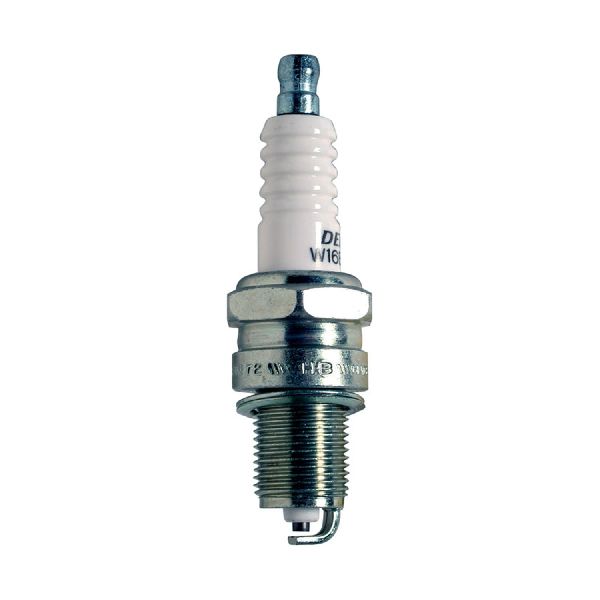
- Tier 1 - Excellent Quality (Recommended): Brands like NGK and Denso are consistently praised for their high manufacturing quality and reliability in classic Mopar engines. Many owners report a smoother idle after switching to NGK from other brands. The NGK V-Power is a popular and highly-regarded copper plug.
- Tier 2 - Standard/OEM Quality: Champion and Autolite are the traditional choices. Champion was the original plug, and many owners prefer to stick with them. They are a good value and work well, though some users in forums have noted concerns about modern quality control compared to NGK. Autolite is also a solid, dependable choice.
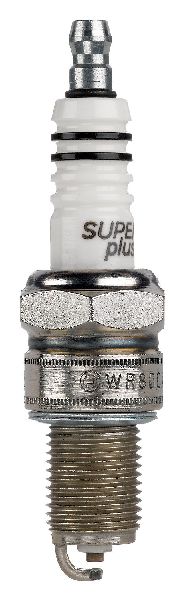
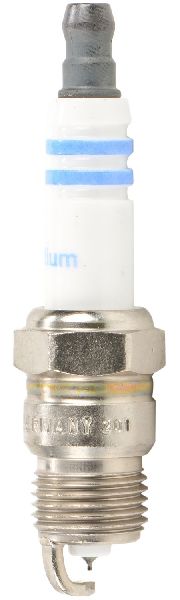
- Tier 3 - Performance & Other Options: Accel and MSD offer plugs geared more towards modified, high-performance engines. Bosch offers a range of plugs, but some owners have reported mixed results with their platinum plugs in older American engines. Skyward is typically a budget-friendly house brand.
Pro Tip: Always Check the Gap
Spark plugs come pre-gapped from the factory, but they can be knocked out of spec during shipping. A spark plug gapping tool is inexpensive and easy to use. The correct gap for most of these engines is 0.035 inches, but always verify with a service manual for your specific engine. An incorrect gap can cause a weak spark and poor performance.
| Tier | Plug Type | Typical Price (per plug) | Notes |
|---|---|---|---|
| Budget | Copper | $3.23 - $5.00 | Good for basic, reliable performance. Recommended for most B100s. |
| Premium | Platinum / Iridium | $6.00 - $15.00+ | Offers longer life but provides little to no performance benefit on these older, carbureted engines. |
| Performance Set | Specialty | $50.00 - $70.12 (per set) | Sets from brands like Accel or MSD, intended for modified engines. |
Frequently Asked Questions (FAQ)
How often should I replace the spark plugs on my B100?
With standard copper spark plugs, a good interval is every 10,000 to 15,000 miles or every two years. Since they are inexpensive, changing them is a great piece of preventative maintenance to keep your van running its best.
Is there a recall on spark plugs for my Dodge B100?
No. Searches of the National Highway Traffic Safety Administration (NHTSA) database show no recalls or technical service bulletins (TSBs) related to spark plugs for the 1975-1980 Dodge B100. Any recalls you may find are for much newer vehicles.
Do I need special tools to change my spark plugs?
You will need a ratchet, a spark plug socket (either 5/8" or 13/16" depending on your plugs), and an extension. A spark plug gap gauge is also highly recommended. Access can be tight inside the van's engine compartment, so having a few different extension lengths can be helpful.
Can I use platinum or iridium plugs in my van?
You can, but it's probably not worth the extra cost. The ignition systems in these vans were designed for standard copper plugs. While modern plugs won't hurt anything, you are unlikely to see any noticeable improvement in performance or fuel economy to justify the higher price.
Technical Specifications
OEM Part Numbers: 3755840
Engine compatibility: 225 Slant-6, 318 V8, 360 V8. Seat Type: Tapered or Gasket. Socket Size: 5/8" or 13/16". Recommended Gap: 0.035 inches. Common OEM Plug numbers include Champion N12YC (V8) and BL-13Y (Slant-6).
We Have This Part in Stock


The information in this article is provided for general reference and educational purposes only. Vehicle specifications, procedures, and part compatibility can vary by production date, trim level, and region. Always consult your vehicle's factory service manual and verify part numbers before purchasing or performing repairs. Safety-critical components such as airbags, seat belts, and braking systems should be installed by a qualified professional.