

Choosing a Spark Plug Wire Set for Your 1975-1980 Dodge B100
Keep your classic Dodge van's Slant-6 or V8 engine running strong with the right set of spark plug wires.
- You must identify your engine (Slant-6, 318 V8, or 360 V8) before purchasing a wire set.
- For most owners, a quality direct-fit set from brands like NGK or Denso offers the best balance of performance and value.
- Performance brands like MSD and Taylor offer enhanced durability and spark but are not essential for a stock engine.
- Always replace wires one at a time to ensure the firing order remains correct.
Symptoms of Failing Spark Plug Wires
When your spark plug wires start to wear out, your B100's engine will let you know. The outer insulation can crack from age and heat, and the internal conductor can break down, causing a weak or inconsistent spark. Here are the most common signs:
- Rough Idle: The engine may shake or vibrate more than usual when you're stopped.
- Engine Misfires: You might feel a hesitation or stumble from the engine, especially when accelerating. In some cases, you can hear a popping sound from the exhaust.
- Poor Fuel Economy: When the engine isn't burning fuel efficiently due to weak spark, your gas mileage will suffer.
- Difficulty Starting: A weak spark makes it harder for the engine to fire up, especially in cold or damp weather.
- Visible Arcing: In the dark, you might see small blue sparks jumping from the wires to metal parts of the engine. This is a sure sign the wires are bad and leaking voltage.
First, Identify Your Engine
Before you buy, you must know which engine is in your van. From 1975-1980, the B100 came with three main options, and they require different wire sets. Open the engine cover (the "doghouse") inside the van to check:
- 225 ci (3.7L) "Slant-6": A long engine with all 6 spark plugs in a single row.
- 318 ci (5.2L) V8: A common V-shaped engine with 4 spark plugs on each side.
- 360 ci (5.9L) V8: Looks almost identical to the 318.
Ordering a set for a V8 when you have a Slant-6 (or vice-versa) will leave you with the wrong number of wires and incorrect lengths.
Choosing the Right Aftermarket Wires
For a classic vehicle like the B100, original OEM parts are no longer available. However, the aftermarket offers a wide range of excellent options. They generally fall into three tiers:
Brand Quality Tiers
| Tier | Brands | Description |
|---|---|---|
| Performance | MSD, Granatelli, Taylor Cable | These brands offer high-performance wires, often with 8mm or 8.5mm diameters and very low resistance. They are built for maximum spark energy and durability, often featuring silicone jackets to resist high temperatures. While excellent, they may be overkill for a stock engine but are a great choice for modified vans or for owners who want the absolute best. |
| OEM-Quality | NGK, Denso, Standard Motor Products | These brands are known for making parts that meet or exceed original factory specifications. An NGK or Denso wire set is a very reliable and popular choice for a daily-driven or restored B100, providing excellent performance and longevity without the high cost of racing wires. They often feature a spiral core conductor which is a great all-around design. |
| Standard/Value | Accel, Walker Products | These brands provide functional, budget-friendly replacements. While some owners have good experiences, others report issues with longevity compared to higher-tier brands. An Accel 8mm wire can be an improvement over old, worn-out stock wires and is a popular choice for many. |
A Note on Wire Diameter and Core
You'll see wires listed with different diameters (like 7mm, 8mm, or 8.5mm) and core types (like carbon, spiral, or solid). For a stock B100, a standard 7mm or 8mm wire with a spiral core is ideal. This type provides a good balance of strong spark and suppression of radio frequency interference (RFI), which can cause static in your AM/FM radio. High-resistance carbon core wires are generally considered a lower-quality option.
Frequently Asked Questions
Should I replace my spark plugs at the same time?
Yes, it is highly recommended. Spark plugs and wires wear out at a similar rate. Replacing them together ensures your entire secondary ignition system is in top shape, giving you the best performance and reliability. It saves you from having to do a similar job twice.
Do I need special tools to replace spark plug wires?
No special tools are required. A set of spark plug wire pullers can be helpful to avoid damaging the boots, but often you can remove them by hand with a twisting motion. The most important thing is to replace the wires one at a time to avoid mixing up the firing order, which would cause the engine to run poorly or not at all.
What's the difference between universal and direct-fit wire sets?
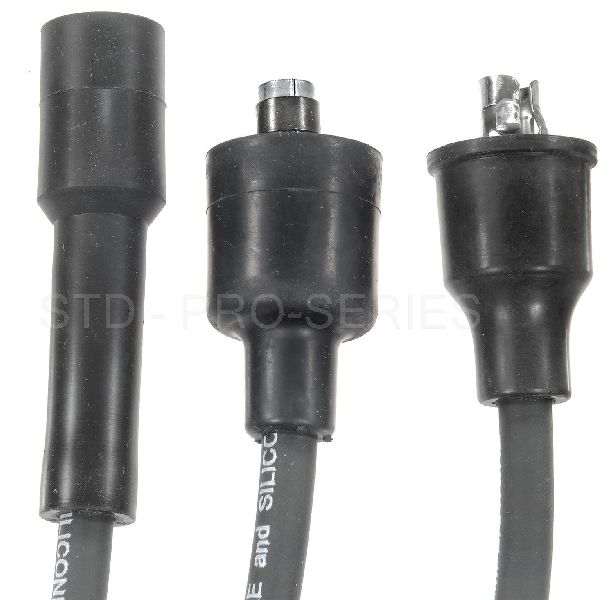
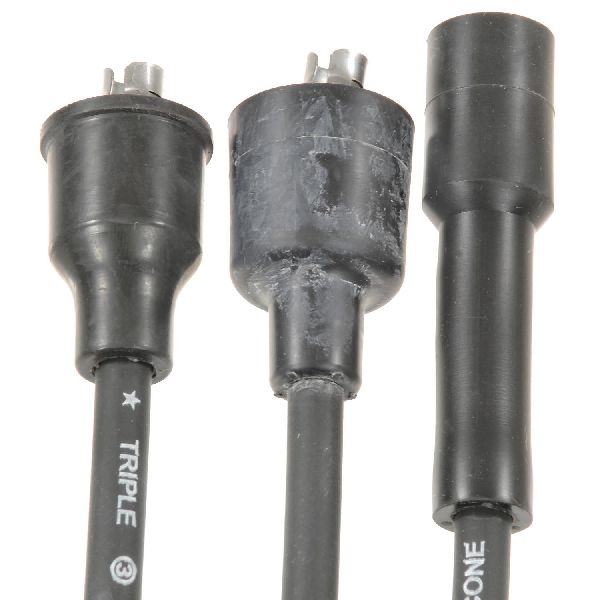
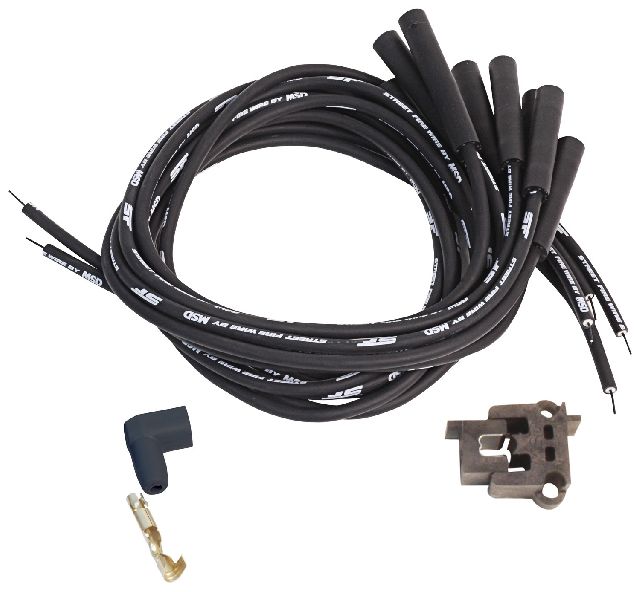
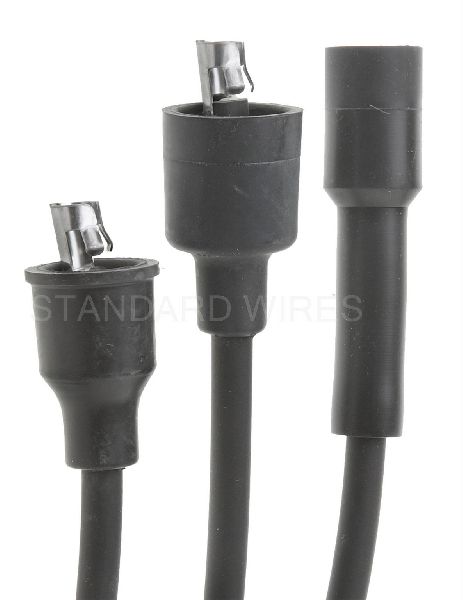
Direct-fit sets are pre-cut to the correct lengths for your specific engine (e.g., 318 V8) and have the boots installed. Universal sets come with a length of wire and a box of terminals and boots, requiring you to cut and assemble each wire yourself. For most B100 owners, a direct-fit set is much easier and ensures a clean, professional installation.
Are there any recalls or TSBs for my B100's spark plug wires?
No. A search of the National Highway Traffic Safety Administration (NHTSA) database shows no recalls or technical service bulletins (TSBs) specifically for spark plug wires on the 1975-1980 Dodge B100. Any issues you encounter will be due to the age and wear of the original or replacement parts.
Technical Specifications
Engine-specific fitment for 225 Slant-6, 318 V8, or 360 V8. Wire diameters typically range from 7mm to 8.5mm. Conductor types include carbon core, spiral wound (recommended), and solid core. Boot material is typically silicone for heat resistance.
We Have This Part in Stock

The information in this article is provided for general reference and educational purposes only. Vehicle specifications, procedures, and part compatibility can vary by production date, trim level, and region. Always consult your vehicle's factory service manual and verify part numbers before purchasing or performing repairs. Safety-critical components such as airbags, seat belts, and braking systems should be installed by a qualified professional.