

Dodge B100 Steering Idler Arm Guide (1975-1980)
Fix steering wander and tighten up the handling on your classic Dodge van by choosing the right idler arm.
- A bad idler arm is a primary cause of steering wander and looseness in 1975-1980 B100s.
- Check for failure by looking for up-and-down play at the pivot point; more than 1/4 inch means it needs replacement.
- High-quality aftermarket parts from brands like Moog, Delphi, or ACDelco are recommended over economy options for better longevity.
- A front-end alignment is essential after replacing the idler arm to prevent tire wear and ensure proper handling.
Is Your B100's Steering Feeling Loose?
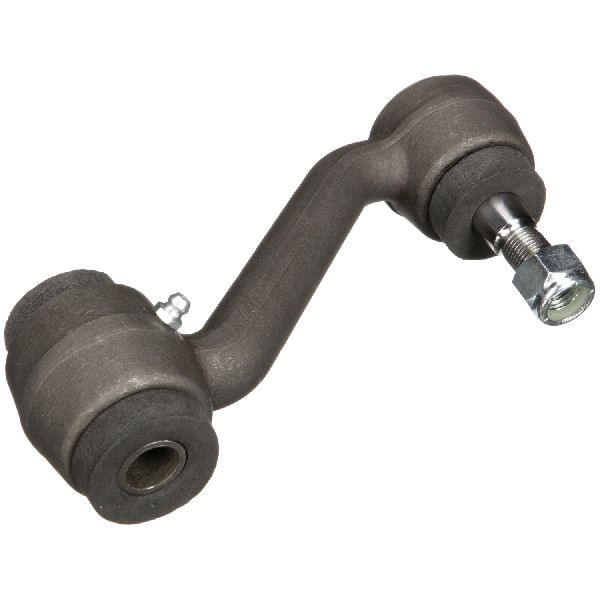
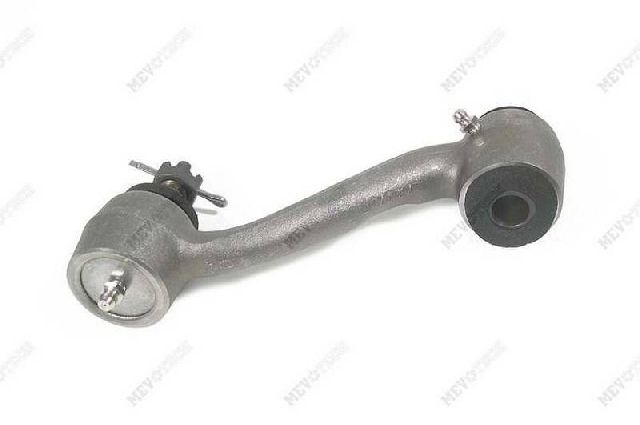
If you're constantly correcting the steering wheel to keep your 1975-1980 Dodge B100 in a straight line, a worn idler arm is a likely culprit. This part is a common wear item on the B-van's robust steering system. When the internal pivot wears out, it allows for vertical play in the steering linkage, which translates into sloppy, unresponsive steering and uneven tire wear. Because these vans are body-on-frame, the idler arm is bolted directly to the passenger-side frame rail, where it endures constant stress.
Symptoms of a Failing Idler Arm
A bad idler arm makes itself known through poor handling. Here are the most common signs:
- Steering Wander: The van seems to drift or wander on its own, especially on the highway, requiring constant small corrections to the steering wheel.
- Excessive Steering Play: A noticeable "dead spot" in the steering where you can turn the wheel an inch or two before the wheels respond.
- Clunking or Popping Noises: You may hear sounds from the front passenger side when turning or driving over bumps.
- Uneven Tire Wear: A worn idler arm can cause changes in toe alignment, leading to feathered or scalloped wear patterns on the edges of your front tires.
How to Check for a Bad Idler Arm
Have a friend rock the steering wheel back and forth while you watch the idler arm from under the front of the van. Look at the point where it pivots on its bracket. If you see the arm moving up and down by more than 1/4 inch, it is worn out and needs to be replaced.
Choosing the Right Aftermarket Idler Arm
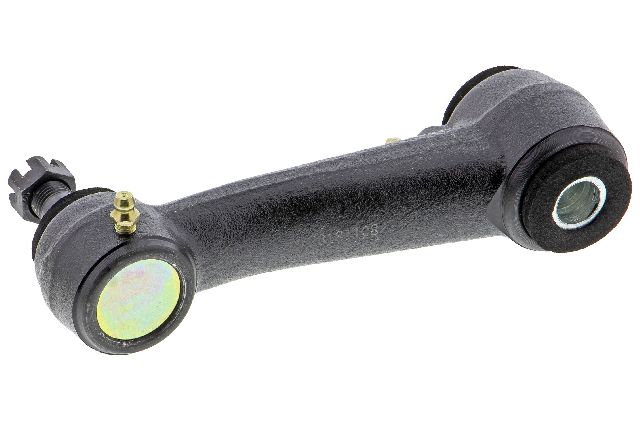
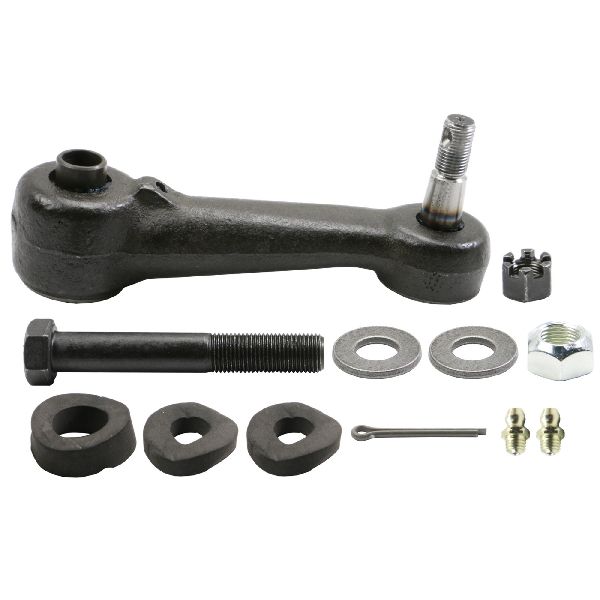
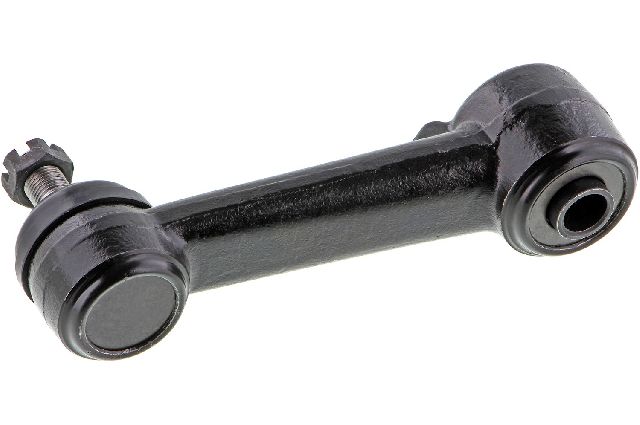
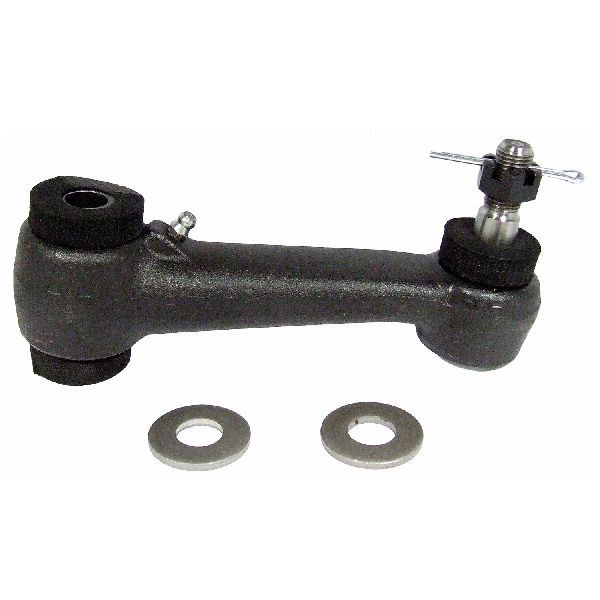
For a vehicle from this era, new original equipment (OEM) parts are generally not available. Aftermarket parts are your only realistic option. Quality can vary, so it's helpful to think of brands in tiers. For a heavy-duty application like a B100 van, investing in a better part often prevents having to do the job again in a couple of years.
| Brand Tier | Brands | Typical Price Range | Notes |
|---|---|---|---|
| Premium | Moog, Delphi, ACDelco (Professional) | $65 - $108 | These brands historically offer better materials and construction, often with features like grease fittings for longer life. While Moog's reputation has seen mixed reviews recently, their higher-end lines are still a popular choice. |
| Standard / DIY | Mevotech (Supreme), Dorman, Suspensia | $45 - $70 | A good balance of quality and cost. These parts meet or exceed original specifications and are a solid choice for daily driving. Mevotech's different product lines can vary in quality. |
| Economy | QuickSteer, Store Brands | $30 - $50 | These are the most budget-friendly options. They will get your van back on the road but may have a shorter service life compared to premium brands, especially under heavy use. |
A Note on a Related Recall
While there are no recalls specifically for the idler arm, NHTSA issued a recall in 1980 for some Dodge vehicles concerning a potential crack in the frame rail near the steering gear attachment. This could cause symptoms like "mushy steering" or wandering, similar to a bad idler arm. When replacing your idler arm, it's a good idea to inspect the driver's side frame rail for any signs of cracking around the steering box mounting area.
Frequently Asked Questions (FAQ)
Can I replace the idler arm myself?
Yes, this is a DIY-friendly job for someone with basic mechanical skills and tools. The process involves safely lifting and supporting the vehicle, removing the old arm, and bolting the new one in. You will likely need a special tool like a pickle fork or a puller to separate the joint from the center link. The entire job can often be done in about an hour.
Do I need an alignment after replacing the idler arm?
Yes, it is highly recommended. Replacing the idler arm will almost always change the front-end toe alignment. Driving without a proper alignment will cause poor handling and rapid, uneven tire wear.
Should I replace any other parts at the same time?
When you replace the idler arm, it's a perfect time to inspect the entire steering linkage. Check the pitman arm, inner and outer tie rod ends, and the center link for any signs of looseness or wear. Since you're already working in the area and will need an alignment, replacing other worn parts at the same time can save you time and money.
What are the most important tools for the job?
Aside from a good socket and wrench set, the most critical special tool is a pitman arm/tie rod puller or a pickle fork. The tapered stud of the idler arm fits tightly into the center link and is very difficult to remove with just a hammer. Using a puller is the correct and safest way to separate the parts without causing damage.
Technical Specifications
The steering system on the 1975-1980 Dodge B100 is a parallelogram linkage type, which utilizes an idler arm.
We Have This Part in Stock

The information in this article is provided for general reference and educational purposes only. Vehicle specifications, procedures, and part compatibility can vary by production date, trim level, and region. Always consult your vehicle's factory service manual and verify part numbers before purchasing or performing repairs. Safety-critical components such as airbags, seat belts, and braking systems should be installed by a qualified professional.