

Dodge B100 Universal Joint Replacement Guide (1975-1980)
Don't let a clunk or vibration from your B100 van leave you stranded.
- Listen for clunks when shifting and feel for vibrations while driving; these are the top signs of a bad U-joint.
- For maximum reliability, choose a premium non-greasable U-joint from Dana Spicer.
- It is strongly recommended to replace all U-joints on the driveshaft at the same time.
- Do not drive on a failing U-joint for long, as a complete failure can be dangerous and cause expensive damage.
Is Your B100's U-Joint Failing?
A failing U-joint isn't subtle. It will give you clear warning signs that something is wrong under your van. Because these vans are now classics, the original U-joints are well past their service life. Listen and feel for these common symptoms.
- Loud Clunking Noise: The most common sign is a loud 'clunk' or 'bang' when you shift from park into drive or reverse. This is caused by excessive play in the worn-out joint.
- Vibration While Driving: You may feel a new vibration that gets worse with speed. This often starts around 25-35 mph and can feel like it's coming from under the seat. Don't confuse this with a tire imbalance; a U-joint vibration is distinct.
- Squeaking or Chirping: A rhythmic squeaking noise that matches your wheel speed, especially at lower speeds, points to a dry U-joint that has lost its lubrication.
- Visible Rust Dust: If you look under the van at the driveshaft, you might see a reddish-brown dust around the U-joint caps. This is a sure sign the needle bearings inside have turned to rust and the joint is failing.
Critical Failure Warning
Ignoring these symptoms is a bad idea. A complete U-joint failure will cause the driveshaft to disconnect while you are driving. This can cause you to lose all power, and the loose, spinning driveshaft can cause major damage to other parts under your van, leading to a very expensive repair and a dangerous situation.
Choosing the Right Aftermarket U-Joint
For a vintage vehicle like the 1975-1980 B100, new OEM parts are generally not available. The aftermarket offers a wide range of quality and price points. Here’s how the available brands generally stack up based on owner experiences and reputation.
Brand Tiers for Your Dodge B100
Premium / Heavy-Duty (Best): Dana Spicer
Dana is an original equipment (OE) manufacturer for many vehicles, and their Spicer brand is widely considered the gold standard for U-joints. Forum users and mechanics consistently recommend Spicer for their strength, durability, and precise fit. Many prefer their non-greasable joints, which are sealed from the factory and often last longer without maintenance, just like the originals. If you want the best, most reliable part, choose Spicer.
Quality Aftermarket (Better): Moog, SKF
Moog has a long-standing reputation as a 'problem solver' brand, often engineering parts to be stronger than original. Their U-joints typically feature grease fittings (zerks) for easy maintenance. While some users in recent years have noted inconsistent quality, Moog's premium line remains a trusted choice for many. SKF is another well-respected brand known for bearings and quality manufacturing; they are a solid and reliable choice for a standard replacement.
Standard Replacement (Good): GMB, Yukon Gear
GMB is a widely available brand that offers a good-quality, cost-effective replacement for daily driving. Yukon Gear is known for strong drivetrain components, often for performance and off-road use, making them a durable option as well. These brands are a good fit if you're on a budget but still want a reliable part that is superior to no-name 'white box' options.
Greasable vs. Non-Greasable
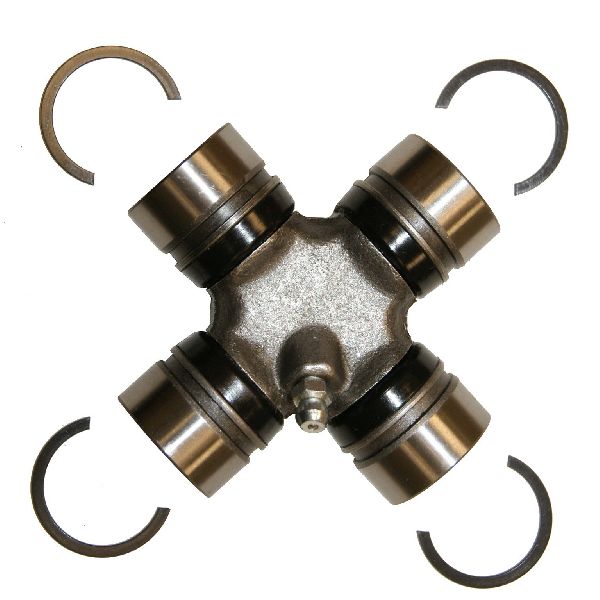
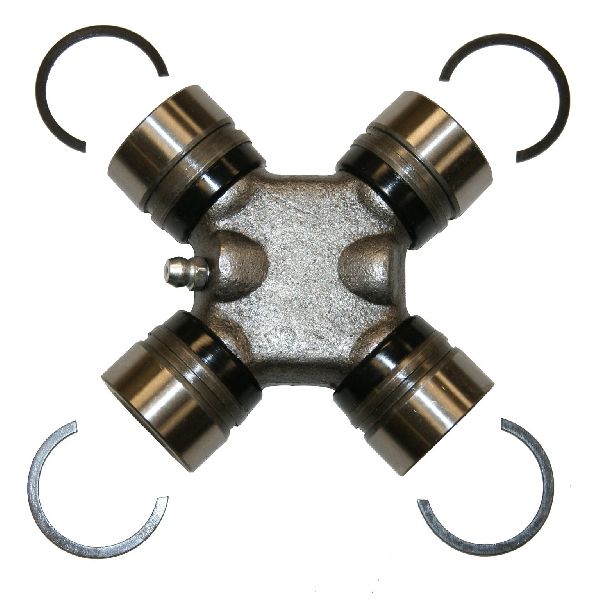
You'll see options for U-joints with or without a grease fitting (zerk).
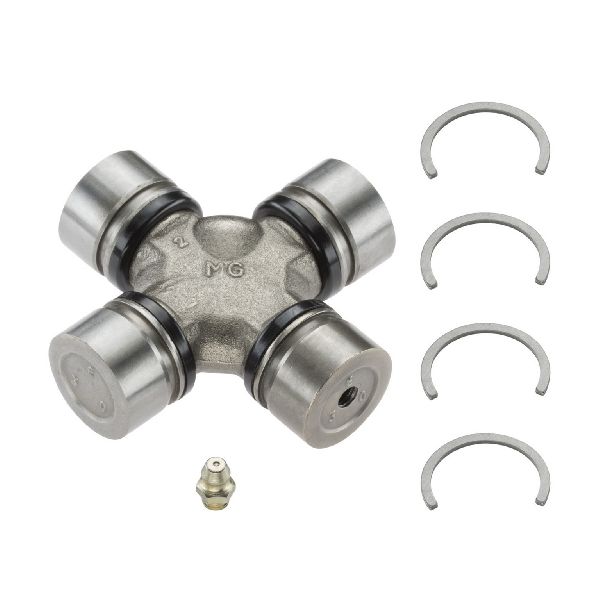
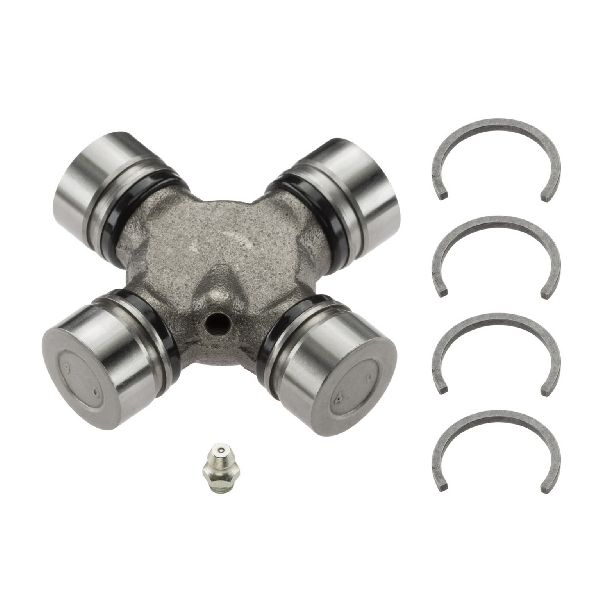
Non-Greasable: These are sealed from the factory. Many mechanics prefer them because they are stronger (the cross isn't hollowed out for grease channels) and require no maintenance. This is an 'install it and forget it' part.
Greasable: These have a fitting that allows you to add fresh grease periodically. This can push out old grease, water, and contaminants, potentially extending the life of the joint if you perform regular maintenance. If you don't grease them, they will fail quickly.
Estimated Costs
| Part Type | Estimated Cost |
|---|---|
| New Aftermarket Universal Joint | $17.14 - $107.89 |
| Shop Labor for Replacement (1 Joint) | $120 - $250 |
| New OEM Universal Joint | Not generally available |
Frequently Asked Questions
How many U-joints does my 1975-1980 B100 have?
Most standard wheelbase B100s have a one-piece driveshaft with two U-joints: one at the transmission and one at the rear axle. Some long-wheelbase or heavy-duty models may have a two-piece driveshaft with three U-joints and a center support bearing. It is essential to inspect your specific van to confirm.
Should I replace both U-joints at the same time?
Yes. If one U-joint has failed due to age and mileage, the other is likely not far behind. Since the driveshaft has to be removed to replace either one, it is highly recommended and cost-effective to replace them all at the same time.
What tools are needed for a DIY replacement?
You will need basic hand tools to remove the driveshaft. To replace the U-joint itself, you will need a heavy-duty bench vise and a set of large sockets, or a dedicated U-joint press tool. A hammer and a sturdy punch can also be used. You will also need snap ring pliers.
Is there a specific U-joint size for my van?
Yes, different sizes were used. The safest way to ensure you get the right part is to measure the bearing cup diameter and the overall width of your old U-joint before ordering. Some parts suppliers have fitment guides that can help, but physical confirmation is best for a vehicle of this age.
Technical Specifications
Dodge used several U-joint sizes during this period. It is critical to measure your existing U-joint's bearing cap diameter and overall width to ensure you purchase the correct replacement part.
We Have This Part in Stock
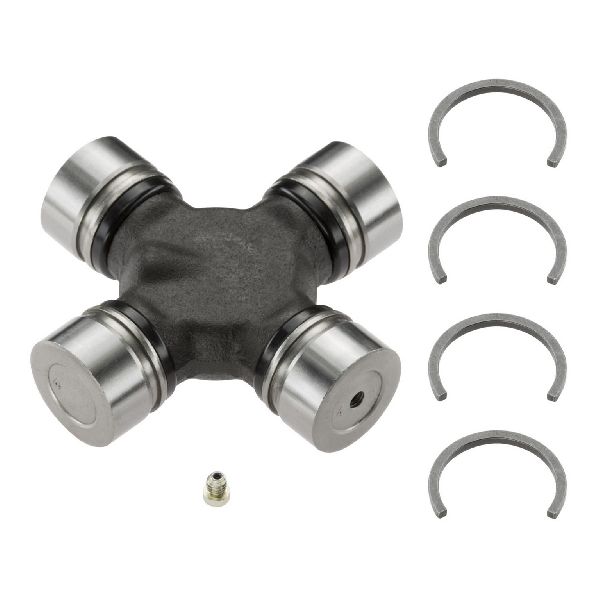
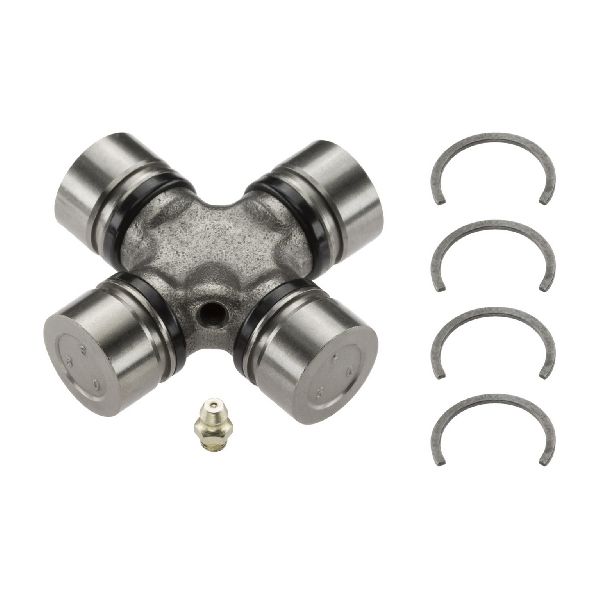

The information in this article is provided for general reference and educational purposes only. Vehicle specifications, procedures, and part compatibility can vary by production date, trim level, and region. Always consult your vehicle's factory service manual and verify part numbers before purchasing or performing repairs. Safety-critical components such as airbags, seat belts, and braking systems should be installed by a qualified professional.