

Accessory Drive V-Belt Guide for 1975-1980 Dodge B200
Keep your classic B200's accessories powered by understanding its unique V-belt system.
- Your B200 uses multiple V-belts, not a single serpentine belt; confirm the quantity and length for your specific engine accessories.
- Reputable aftermarket brands like Gates, Dayco, and Continental are the standard for replacement and offer reliable quality.
- Proper belt tension is crucial; too loose causes slipping and squealing, while too tight damages accessory bearings.
- Always inspect and clean pulleys before installing new belts to prevent premature wear.
Signs of a Failing Accessory Drive Belt
The V-belts on your Dodge B200 are made of rubber and wear out over time. It's important to inspect them regularly for signs of failure. Ignoring a worn belt can leave you stranded when an accessory like the alternator or water pump stops working.
- Squealing Noises: A high-pitched squeal, especially when starting the engine or turning the steering wheel, is a classic sign of a loose or worn belt. This happens when the belt slips on the pulleys.
- Visible Wear and Tear: Look at the belts. If you see cracks, fraying, glazing (a shiny, smooth surface), or missing chunks, the belt is old and needs immediate replacement.
- Accessory Malfunctions: If your battery isn't charging (dimming headlights, battery light on), your engine is overheating, or your power steering becomes heavy, a broken or slipping belt is a likely cause.
Choosing the Right Aftermarket Belts
For a classic van like the 1975-1980 B200, original equipment (OEM) belts are virtually impossible to find. The good news is that top aftermarket brands like Gates, Dayco, and Continental produce high-quality V-belts that meet or exceed original standards. Since your van has multiple belts, it's a good practice to replace them all at the same time with belts from the same manufacturer to ensure consistent wear and performance.
Your B200's engine configuration (with or without A/C, for example) determines the number and length of the belts you need. Always verify the correct part numbers for your specific setup.
- Good Tier (Standard Replacement): Standard V-belts from Dayco, Gates, or Continental are excellent choices for daily driving and normal use. They offer reliable performance and a long service life when properly installed and tensioned.
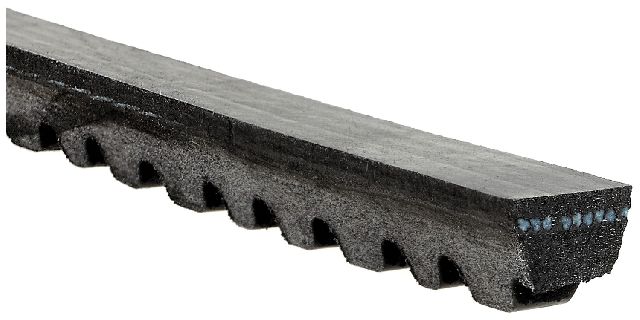
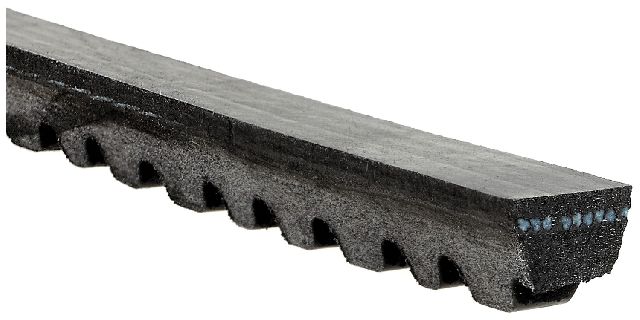
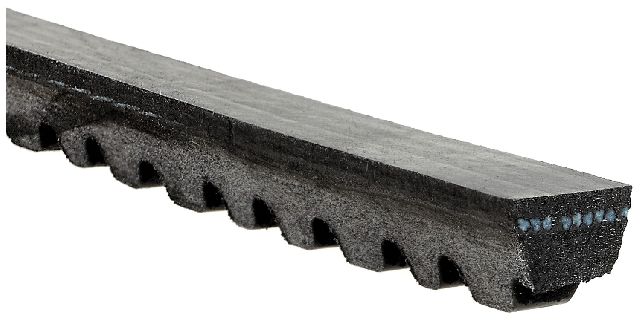
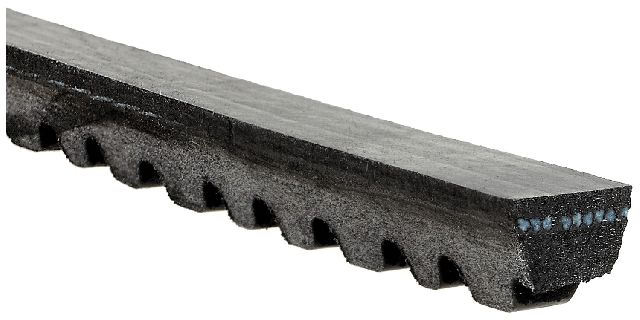
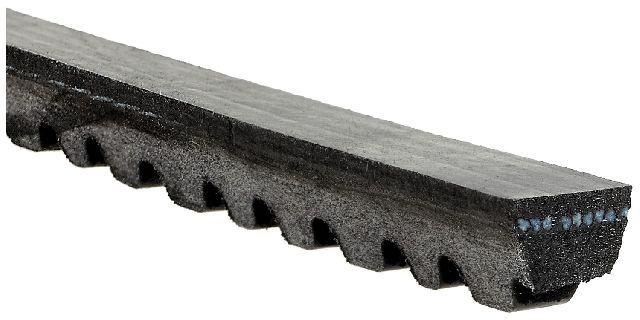
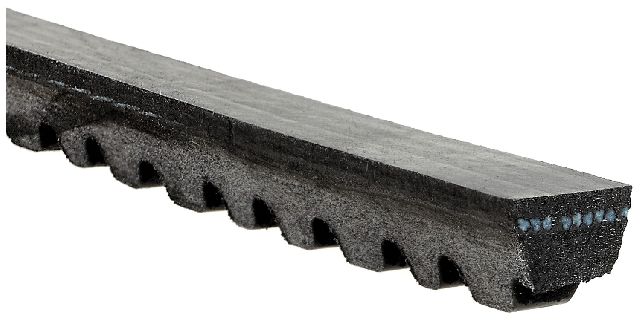
- Better Tier (Heavy-Duty/Cogged): Cogged V-belts, sometimes called high-performance belts, have notches on the underside. These notches allow the belt to flex more easily and run cooler, which can extend its life. Brands like Dayco offer premium belts with aramid fibers (similar to Kevlar) that are known to reduce slipping and squealing on older vehicles.
Pro Tip: Check Your Pulleys
Before installing new belts, inspect the pulleys for rust, dirt, or wear. Worn-out pulleys with "dished out" grooves can damage new belts and shorten their life significantly. Clean the pulleys with a wire brush to ensure the new belts have a clean surface to grip.
Cost of New Aftermarket Accessory Drive Belts (1975-1980 Dodge B200)
| Part Type | Price Range |
|---|---|
| New Aftermarket V-Belt (Single) | $5.18 - $39.61 |
Note: Prices are estimates and can vary based on brand, retailer, and specific belt length. Your vehicle will require multiple belts.
Frequently Asked Questions (FAQ)
How many belts does my 1975-1980 Dodge B200 have?
It depends on the options your van came with. A basic model might have two or three belts, while a fully-equipped van with power steering and air conditioning could have four or even five individual V-belts. It's essential to check your specific engine to confirm the number and routing of the belts before ordering.
Can I replace the accessory belts myself?
Yes, this is a very feasible DIY job for someone with basic mechanical skills. Unlike modern cars with automatic tensioners, you'll need to manually loosen the accessories (like the alternator) to release belt tension. You then install the new belt and use a pry bar to carefully apply tension to the accessory before tightening the mounting bolts.
How do I know what the correct belt tension is?
The ideal tension is the lowest tension at which the belt doesn't slip. A common rule of thumb is to allow about 1/2 inch of deflection when you press firmly on the longest span of the belt. Over-tightening can damage the bearings in your alternator or water pump, so be careful not to apply too much force.
Should I use belt dressing on a noisy belt?
No, you should not use belt dressing. While it might quiet a squealing belt temporarily, it can attract dirt and cause the belt material to deteriorate faster, leading to premature failure. A squealing belt is a sign that it needs to be properly tensioned or replaced.
Technical Specifications
System Type: Multiple V-Belts. Tensioner Type: Manual (Accessory Adjustment). Common Belt Widths: 3/8 Inch, 7/16 Inch.
We Have This Part in Stock

The information in this article is provided for general reference and educational purposes only. Vehicle specifications, procedures, and part compatibility can vary by production date, trim level, and region. Always consult your vehicle's factory service manual and verify part numbers before purchasing or performing repairs. Safety-critical components such as airbags, seat belts, and braking systems should be installed by a qualified professional.