

Choosing an Aftermarket Catalytic Converter for Your 1975-1980 Dodge B200
Keep your classic Dodge van running clean and passing emissions with the right replacement converter.
- You MUST check your state and local laws to see if you need a Federal EPA or stricter CARB-compliant converter.
- A failing converter is often a symptom of another engine problem, like a rich fuel mixture or oil consumption; fix the root cause first.
- For a vehicle this old, expect installation to be challenging due to rust; professional installation is highly recommended.
- Aftermarket brands like Walker and AP offer budget-friendly options, while MagnaFlow is a more premium, durable choice.
Is Your B200's Catalytic Converter Failing?
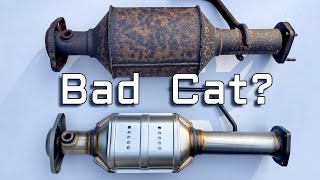
On a classic van like the Dodge B200, which doesn't have the complex computer systems of modern vehicles, you need to rely on physical symptoms to spot a bad catalytic converter. 🎬 Watch this video to see common signs of converter failure. Ignoring these signs can lead to serious engine damage. Look out for these common indicators:
- Loss of Power: If your van feels sluggish, struggles to accelerate, or won't go past a certain speed, the converter might be clogged. A blockage creates backpressure, essentially choking the engine.
- "Rotten Egg" Smell: A distinct sulfur smell from the exhaust is a classic sign. This indicates that the converter isn't properly processing the gases in the exhaust.
- Rattling Noises: If you hear a rattling or shaking sound from under the vehicle, the ceramic honeycomb material inside the converter may have broken apart. These loose pieces can cause blockages and further damage.
- Excessive Heat: A clogged converter can trap a large amount of heat. You might feel unusually high temperatures coming from underneath the floor of the van.
Check Your Local Laws Before You Buy
This is the most important step. Emissions laws vary by state. Some states follow Federal EPA standards, while others, like California, Colorado, New York, and Maine, require stricter CARB (California Air Resources Board) compliant parts for certain vehicles. For a vehicle as old as the 1975-1980 B200, you will likely need an EPA-compliant converter in most states, but you must verify your local requirements. Installing the wrong type of converter can result in a failed emissions test and fines.
Choosing the Right Aftermarket Converter
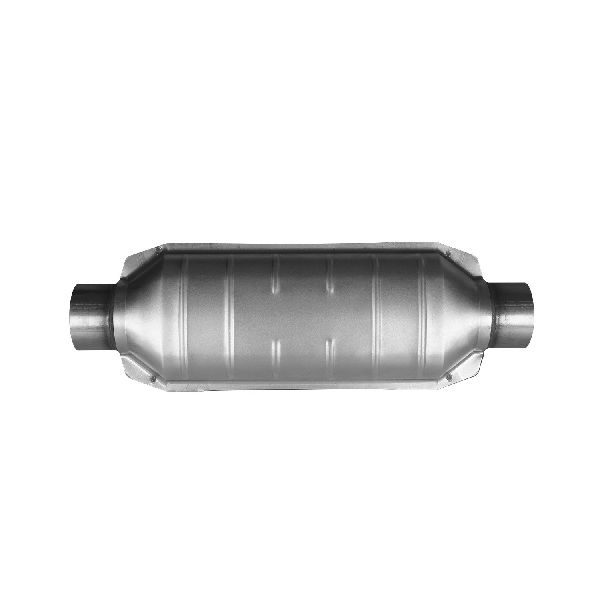
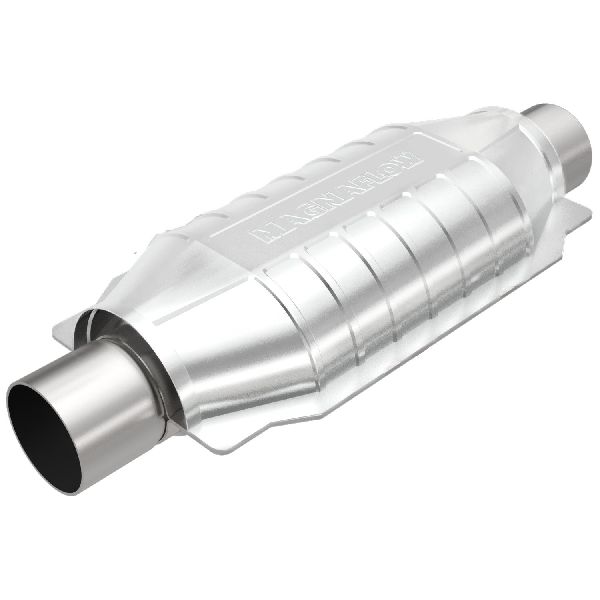
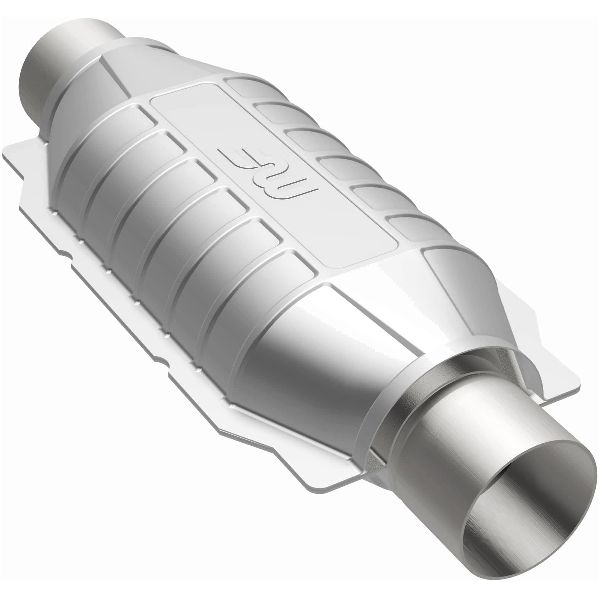
For a vintage vehicle, finding a new OEM (Original Equipment Manufacturer) part is nearly impossible. Aftermarket is your only realistic choice. The main decision is between a "direct-fit" and a "universal" converter.
- Direct-Fit: These are designed to bolt directly into your B200's specific exhaust system with minimal or no modification. They are more expensive but make for a much easier installation.
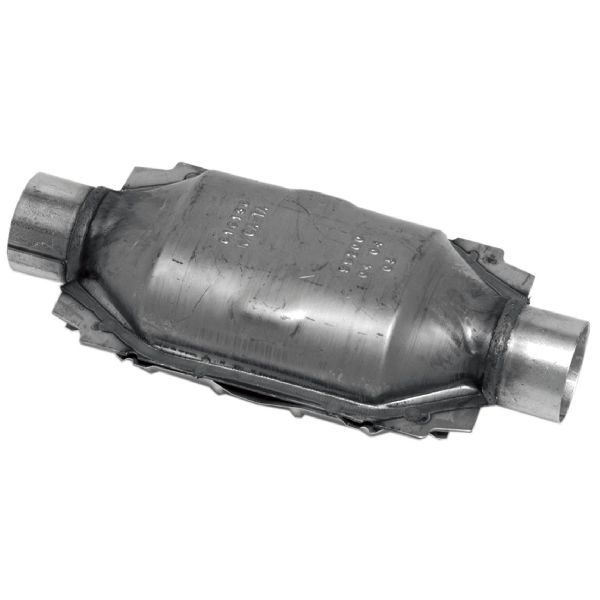
- Universal: These are cheaper but require cutting and welding to fit into your existing exhaust pipes. This option requires a professional exhaust shop for proper installation.
Brand Tiers at a Glance
When looking at brands, they generally fall into a few categories:
- Economy/Standard (AP Exhaust, Eastern Catalytic, Walker): These brands offer affordable, functional replacements that meet EPA standards. They are a good choice for getting a vehicle back on the road and passing emissions tests on a budget. Some users report that lower-cost options may have a shorter lifespan or issues with rust compared to premium brands.
- Performance/Premium (MagnaFlow, MagnaFlow Performance Exhaust): MagnaFlow is often seen as a higher-quality option, sometimes offering better exhaust flow which can slightly improve performance. They typically use more durable materials like stainless steel, which can lead to a longer life, but they come at a higher price.
Pro Tip: Address the Root Cause
Catalytic converters usually don't fail on their own. The most common cause of failure is an engine problem. Things like burning oil, coolant leaks, or a rich fuel mixture from a poorly tuned carburetor can send unburned fuel into the exhaust, which overheats and destroys the converter. Before installing a new converter, make sure your B200's engine is running properly to avoid damaging the new part.
Cost to Replace a 1975-1980 Dodge B200 Catalytic Converter
| Part Type | Estimated Cost |
|---|---|
| New Aftermarket Converter (Part Only) | $97.00 - $1022.99 |
| Shop Labor | $150 - $400 |
| Estimated Total Cost | $247 - $1423 |
Note: Labor costs can vary significantly based on your location, the condition of your vehicle (heavy rust can increase labor time), and whether a universal converter requiring welding is used.
Frequently Asked Questions
Do I need a CARB-compliant converter for my classic B200?
It depends entirely on your state and local laws. While many states that follow CARB rules have exemptions or different requirements for older vehicles, you must check. For example, in Maine, CARB converters are only required for 2001 and newer vehicles, meaning a B200 would likely only need an EPA-compliant part. Always verify your specific local regulations before purchasing.
Can I install a catalytic converter myself?
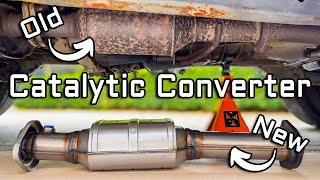
If you purchase a direct-fit converter and have experience with auto repair, it is possible. 🎬 See how to replace a catalytic converter in this DIY tutorial. The job requires safely lifting the vehicle, and you will likely deal with heavily rusted bolts that can be difficult to remove. Universal converters require cutting and welding and should be left to a professional exhaust shop. Given the age of the van and the high likelihood of rust, professional installation is often the best choice.
What's the difference between a direct-fit and a universal converter?
A direct-fit converter is made to bolt onto your specific vehicle with no modifications needed, making installation easier. A universal converter is a generic model that is cheaper but must be cut and welded into the exhaust system by a qualified technician.
Is it illegal to remove the catalytic converter?
Yes. Under federal law, it is illegal for any person to remove or disable a catalytic converter on a road-going vehicle. Doing so will cause you to fail any emissions inspection and can result in significant fines.
Helpful Videos
Technical Specifications
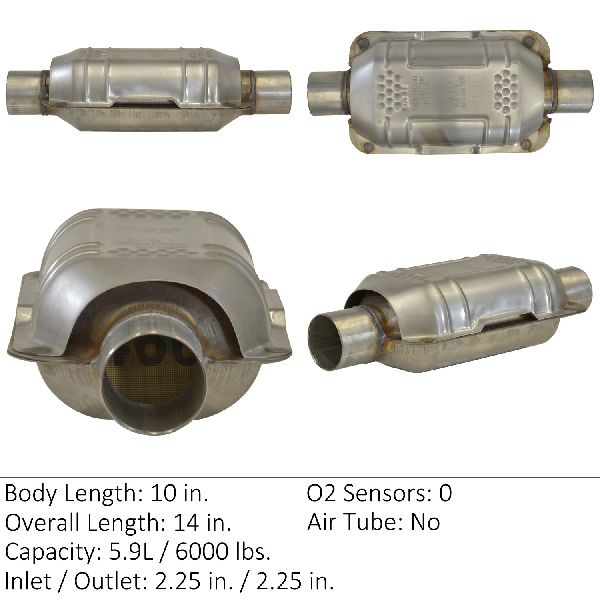
Varies by engine size (e.g., 5.2L, 5.9L) and specific model year. Replacement will be either a direct-fit or universal model. The most important specification is ensuring the part is legally compliant (EPA or CARB) for your state.
We Have This Part in Stock

The information in this article is provided for general reference and educational purposes only. Vehicle specifications, procedures, and part compatibility can vary by production date, trim level, and region. Always consult your vehicle's factory service manual and verify part numbers before purchasing or performing repairs. Safety-critical components such as airbags, seat belts, and braking systems should be installed by a qualified professional.
- 🎬 Helpful Videos
- 🛍️ Shop This Part
- Is Your B200's Catalytic Converter Failing?
- Check Your Local Laws Before You Buy
- Choosing the Right Aftermarket Converter
- Brand Tiers at a Glance
- Pro Tip: Address the Root Cause
- Cost to Replace a 1975-1980 Dodge B200 Catalytic Converter
- Frequently Asked Questions
- 🎟️ Get 5% Off