

Dodge B200 Engine Oil Pressure Switch Guide (1975-1980)
Is your 1975-1980 Dodge B200's oil gauge acting erratically? Here's what you need to know before you buy a new oil pressure switch.
- A flickering or zeroed-out gauge with a quiet engine almost always points to a bad switch, not a bad engine.
- This is a DIY-friendly repair, but you will need a special oil pressure switch socket (usually 1-1/16 inch) for the job.
- Location varies by engine: it's near the distributor on V8s and under the oil filter on Slant-6 engines.
- Never ignore an oil pressure warning; always verify the oil level first before assuming the switch is the only problem.
Is Your B200's Oil Gauge Lying to You?
For owners of the classic 1975-1980 Dodge B200, a fluctuating or flickering oil pressure gauge is a very common issue. In most cases, the problem isn't a dangerous loss of oil pressure, but a simple failure of the oil pressure switch itself. These sensors are known to wear out and fail over time, causing confusing readings that can lead to unnecessary worry. Understanding the signs of a bad switch versus actual low oil pressure is key to keeping your van on the road and avoiding costly repairs.
Symptoms of a Failing Oil Pressure Switch
Before assuming the worst about your engine, check for these classic signs of a faulty oil pressure sending unit. A failing switch is far more common than a failing oil pump on these Dodge engines.
- Erratic Gauge Readings: The needle on your oil pressure gauge may swing wildly, drop to zero at idle, and then jump back to normal when you accelerate.
- Flickering Oil Light: If your van has a warning light instead of a gauge, it might flicker, especially when idling or after getting off the freeway.
- Gauge Reads Zero (but the engine is quiet): This is the most telling symptom. If the gauge shows no pressure but your engine is running smoothly without any new knocking, ticking, or clattering noises, the switch is the most likely culprit. A real loss of oil pressure is usually very noisy.
- Oil Leaking from the Switch: A very common failure mode is for the switch to develop a leak. You may see oil on the sensor itself or dripping from its location on the engine.
Warning: Never Ignore the Oil Light
Even though a faulty switch is common, you should never ignore a low oil pressure reading. As soon as it's safe, turn off the engine. First, check your oil level. If the level is fine, you must verify the engine's actual oil pressure with a mechanical gauge before assuming the switch is bad and continuing to drive. Driving with genuine low oil pressure can destroy your engine in minutes.
Choosing the Right Aftermarket Switch
For a vehicle from this era, finding new original equipment (OEM) parts is nearly impossible. The market consists of aftermarket brands that fall into different quality tiers. Given that this is a critical sensor, opting for a higher-quality part is a smart investment.
| Brand Tier | Available Brands | Assessment |
|---|---|---|
| Premium Aftermarket | Standard Ignition (SMP) | Standard is widely considered a top-tier aftermarket brand. They are known for robust testing and engineering parts that meet or exceed original specifications. For critical sensors, Standard is a trusted choice among mechanics and DIYers. |
| Standard Aftermarket | Rostra Powertrain | Rostra is an established manufacturer of automotive electronics, including many original equipment components. While well-regarded, especially for transmission parts, they have less brand recognition specifically for oil pressure switches compared to Standard. They represent a solid, reliable option. |
| Economy | Global Parts | Economy brands offer a cost-effective solution. While functional, they may not have the same level of durability, materials, or testing as premium brands. For a sensor this critical, spending a few extra dollars for a part from a more established brand is often recommended. |
Installation & Location
Replacing the switch is a DIY-friendly job, but access can be tight. The location depends on your engine:
- Slant-6 Engines (225ci): The switch is typically located on the oil pump housing, just below the oil filter. Access from the top is very difficult, and you will likely need to work from underneath the van.
- V8 Engines (318ci, 360ci): The switch is usually found at the top rear of the engine block, next to the distributor. You will need to remove the interior engine cover (the "doghouse") for access.
Pro Tip: Use the Right Tool
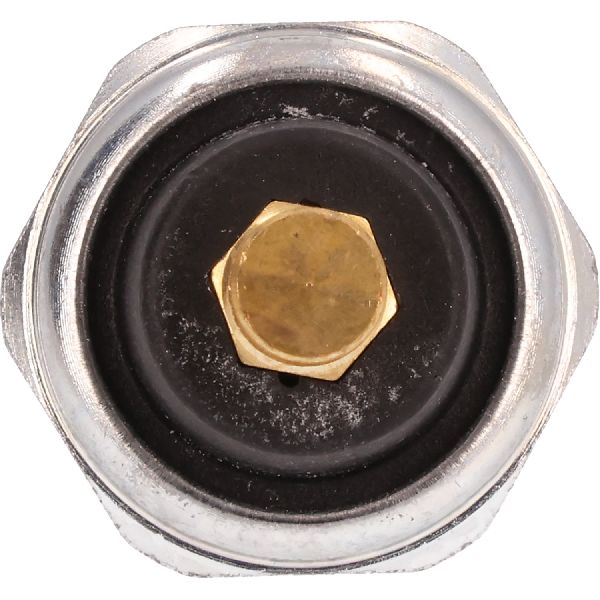
You will need a special deep socket made for oil pressure switches, which is often 1-1/16 inch. Using a standard wrench or socket is often impossible due to the sensor's shape and location. Also, be sure to get the correct switch for your van's dashboard—a switch for a gauge is different from a switch for a warning light.
Frequently Asked Questions
Is there a recall on the 1975-1980 Dodge B200 oil pressure switch?
No, there are no active recalls or widespread Technical Service Bulletins (TSBs) from the NHTSA for the engine oil pressure switch on this specific vehicle range. Issues with this part are generally due to age and normal wear.
Can I drive my B200 with a bad oil pressure switch?
If you have confirmed the switch is bad (by checking the actual oil pressure with a mechanical gauge) and the engine is not low on oil, you can drive cautiously to a repair shop. However, if you hear any engine knocking or ticking, you must stop driving immediately to prevent catastrophic engine damage.
Why does my oil light flicker at idle?
A flickering light at idle is a classic symptom of a failing oil pressure switch. Oil pressure is naturally at its lowest when the engine is warm and idling. A worn sensor can't read this low pressure accurately and may trigger the light. It can also be a sign of genuinely low oil pressure from worn engine bearings, so it should always be investigated.
What's the difference between an oil pressure switch and a sending unit?
The terms are often used interchangeably. Technically, a "switch" is a simple on/off device that triggers a warning light at a set low-pressure point. A "sending unit" or "sender" is a variable resistor that provides a range of readings for a dashboard gauge. Your B200 will have one or the other, so be sure to order the correct part for your van's instrument cluster.
Technical Specifications
Varies by engine (Slant-6 vs V8) and instrument type (gauge vs. light). Common thread sizes are 1/8" NPT or 3/8" NPT. A 1-1/16" special socket is typically required for installation.
We Have This Part in Stock


The information in this article is provided for general reference and educational purposes only. Vehicle specifications, procedures, and part compatibility can vary by production date, trim level, and region. Always consult your vehicle's factory service manual and verify part numbers before purchasing or performing repairs. Safety-critical components such as airbags, seat belts, and braking systems should be installed by a qualified professional.