

A Guide to the Mechanical Fuel Pump for the 1975-1980 Dodge B200
Keep your classic Dodge van's carbureted engine fed with the right mechanical fuel pump.
- A failing fuel pump will cause hesitation, stalling, or a no-start condition.
- Replacement is a straightforward, DIY-friendly job that takes about an hour.
- Carter and Delphi are highly-regarded aftermarket brands, but check for proper fuel pressure after installation.
- Always replace the fuel filter at the same time to protect your new pump.
Is Your Fuel Pump Failing?
A failing mechanical fuel pump on your Dodge B200 will starve the engine of fuel. This can make your van run poorly or not at all. The internal rubber diaphragm can wear out and crack, or the one-way valves can fail.
Common symptoms include:
- Engine Hesitation or Sputtering: Especially under acceleration or at high speeds, the engine may cut out or sputter as it isn't getting enough fuel.
- Hard Starting: The engine cranks but takes a long time to start, or won't start at all. You can test this by pouring a very small amount of gasoline into the carburetor; if the engine fires up briefly, it points to a fuel delivery problem.
- Stalling: The engine may stall, particularly when it's hot, and then refuse to restart.
- Loss of Power: You might notice the van struggles to go up hills or carry heavy loads.
- Visible Fuel Leaks: If you see gasoline dripping from the pump body, the internal diaphragm has likely failed. This is a serious fire hazard and the pump must be replaced immediately. 🎬 Watch: A visual guide to common bad fuel pump symptoms
Pro Tip: Quick Diagnosis
A simple way to check if the pump is working is to safely disconnect the fuel line from the carburetor and place the end into a container. Have a helper crank the engine for a few seconds. You should see strong, steady spurts of fuel. If you see little or no fuel, the pump is likely bad, assuming the fuel filter isn't clogged and there's gas in the tank.
🎬 See these 5 easy checks to diagnose fuel delivery issuesChoosing the Right Aftermarket Pump
For a vehicle from this era, new original Mopar parts are virtually nonexistent. The aftermarket is your main source for a replacement. Quality can vary, so it's important to choose a reputable brand.
Brand Tiers for Your B200:
- Premium/Performance Brands (Carter, Delphi, Edelbrock, Holley):
- Carter: A historically trusted name in Mopar fuel systems, Carter is often recommended by enthusiasts for its reliability and correct fit. Many consider it a top choice.
- Delphi: Known for being a major OEM supplier, Delphi parts are widely considered high-quality and reliable replacements.
- Edelbrock & Holley: These are performance brands. While generally high quality, they may offer more fuel flow than a stock engine needs. Some users have reported reliability issues with Holley pumps in particular.
- Standard/Value Brands (GMB, Spectra, US Motor Works):
- GMB: Positions itself as a manufacturer of quality, OEM-spec replacement parts and is a solid choice for a standard replacement.
- Spectra: A common budget-friendly option that is generally adequate for daily driver use.
- US Motor Works: Another available aftermarket option for standard replacement needs.
A Note on Fuel Pressure
Some modern aftermarket pumps are designed to produce higher fuel pressure (e.g., 6-8 PSI) than the original stock carburetor was designed for (typically 2.5-4 PSI). Too much pressure can overwhelm the carburetor's needle and seat, causing flooding, poor idling, and rich running conditions. If you experience these issues after installing a new pump, you may need to install a separate fuel pressure regulator between the pump and the carburetor.
Replacement Cost
Replacing the mechanical fuel pump on a 1975-1980 B200 is an affordable repair. The part itself is not expensive, and labor is straightforward.
| Item | Cost |
|---|---|
| New Aftermarket Fuel Pump | $35 - $60 |
| Shop Labor | $100 - $200 |
| Estimated Total (Shop) | $135 - $260 |
| Estimated Total (DIY) | $35 - $60 |
Frequently Asked Questions
Can I replace the fuel pump myself?
Yes, this is a very DIY-friendly job for someone with basic tools and mechanical ability. The pump is typically held on by two bolts and is accessible from the passenger side of the engine. The most common procedure involves removing the front passenger wheel for better access.
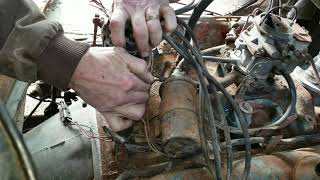
🎬 Watch: Testing a new mechanical fuel pump on a B200Are there any recalls on the fuel pump for my van?
No. Searches of the NHTSA database show no recalls or technical service bulletins (TSBs) for the mechanical fuel pump on the 1975-1980 Dodge B200. Recalls found for Dodge fuel pumps are for much newer, fuel-injected vehicles.
Should I replace the fuel filter at the same time?
Absolutely. It is always recommended to replace the fuel filter when replacing the fuel pump. A clogged filter can restrict fuel flow and put a strain on the new pump. It's an inexpensive part that helps ensure the longevity of your new pump.
What is the difference between a 2-port and 3-port fuel pump?
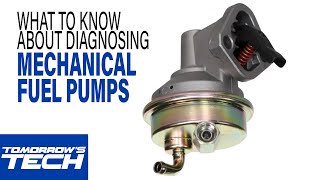
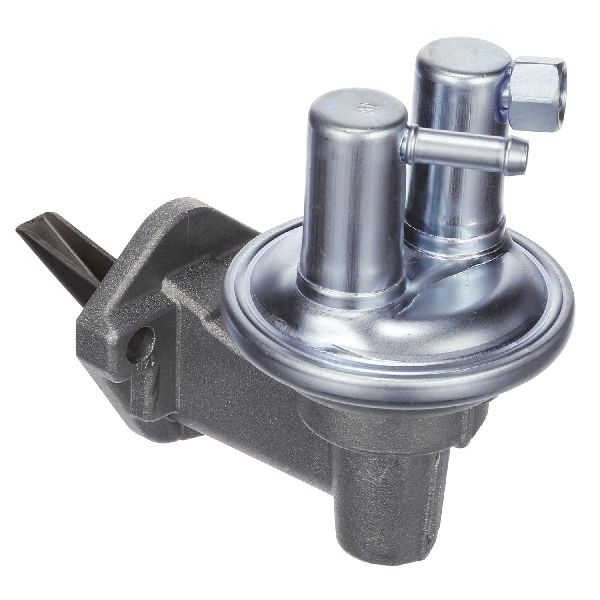
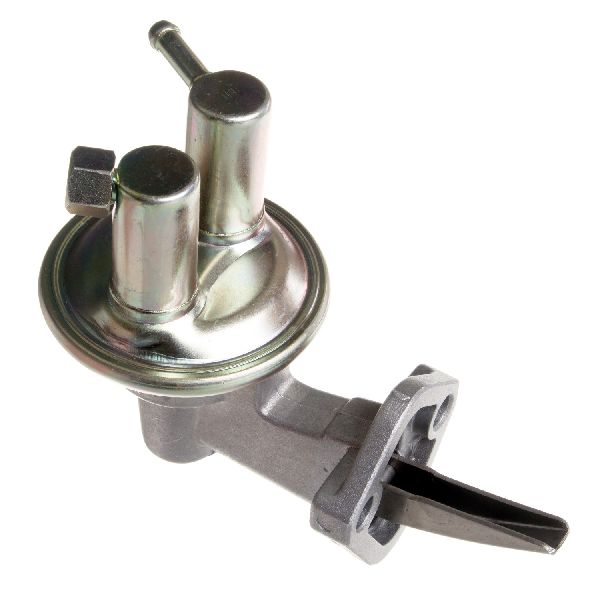
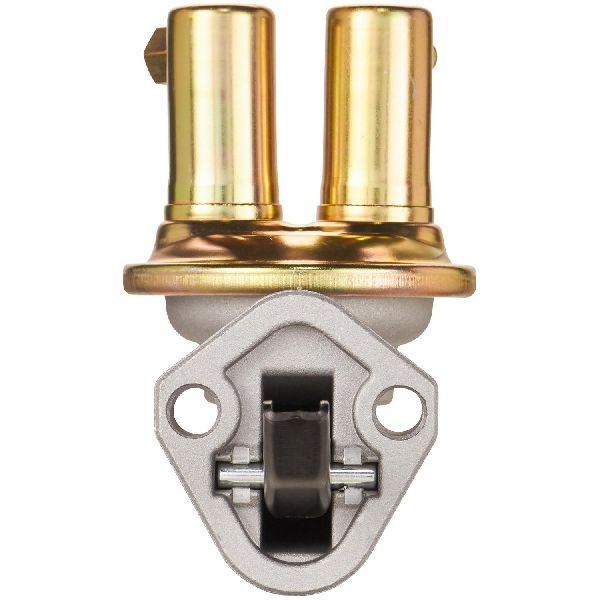
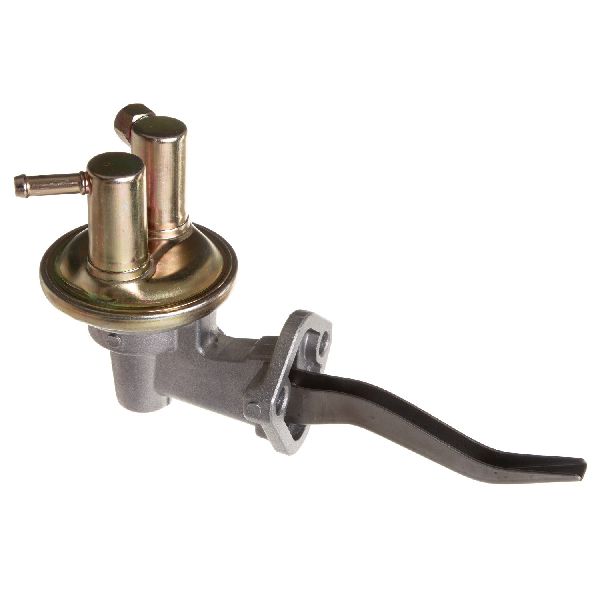
Most B200s will use a standard 2-port pump (inlet from the tank, outlet to the carburetor). Some vehicles, especially those with air conditioning or heavy-duty cooling, used a 3-port pump. The third port is a fuel vapor return line that sends excess fuel and vapor back to the tank to help prevent vapor lock. Be sure to order the correct pump for your van's specific configuration.
Helpful Videos
Technical Specifications
OEM Part Numbers: 2279901 2463916 2932797 3577889 3614825 4041476
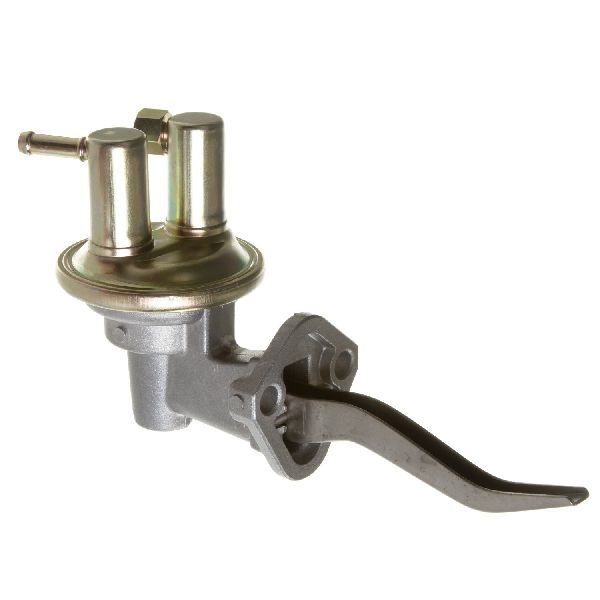
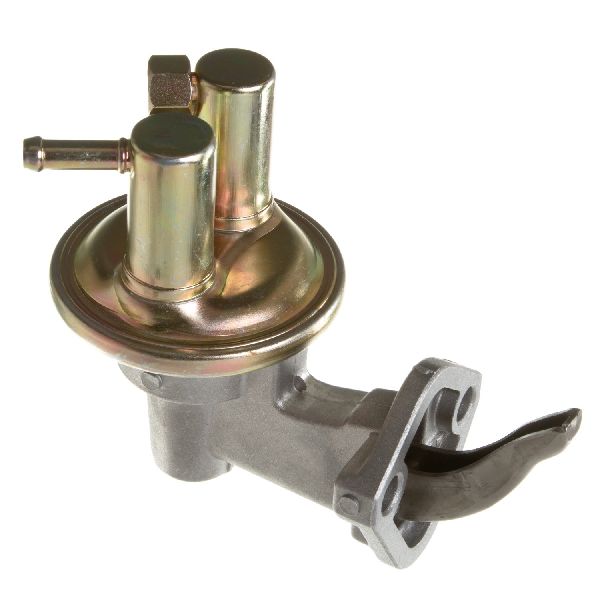
Camshaft-driven diaphragm type pump. Typical output pressure: 2.5-8 PSI (Varies by aftermarket brand). Inlet/Outlet: Varies, typically 1/4" or 3/8" NPT. Configuration: 2-port (in/out) or 3-port (in/out/vapor return).
We Have This Part in Stock

The information in this article is provided for general reference and educational purposes only. Vehicle specifications, procedures, and part compatibility can vary by production date, trim level, and region. Always consult your vehicle's factory service manual and verify part numbers before purchasing or performing repairs. Safety-critical components such as airbags, seat belts, and braking systems should be installed by a qualified professional.