

Choosing the Right Spark Plugs for Your 1975-1980 Dodge B200 Van
Keep your classic Dodge van's engine running strong with the correct set of spark plugs.
- For stock 318 or 360 V8 engines, standard copper core spark plugs from brands like Champion or NGK are the most reliable and cost-effective choice.
- Always check and adjust the spark plug gap to your engine's specifications (usually 0.035") before installation.
- Replacement is a simple DIY job that can be done with basic hand tools in about an hour.
- There are no active recalls or technical service bulletins for spark plugs on this classic van; issues are typically from lack of maintenance.
Signs of Failing Spark Plugs
Worn or fouled spark plugs can cause a range of noticeable problems in your B200. Because these vans have simple ignition systems, they are often sensitive to spark plug condition. Look out for these common symptoms.
Common Symptoms of Bad Spark Plugs
- Rough Idle: The engine may shake or run unevenly when stopped.
- Hard Starting: The engine cranks over but struggles to start, or won't start at all.
- Engine Misfires: You might feel a hesitation or stumble during acceleration.
- Poor Fuel Economy: If you're filling up the tank more often, bad plugs could be wasting fuel.
- Reduced Power: The van may feel sluggish and lack its usual power, especially when climbing hills or carrying a load.
Choosing the Right Aftermarket Spark Plugs
For a vintage vehicle like the 1975-1980 Dodge B200, you don't need the most expensive, high-tech spark plugs. In fact, the original ignition system was designed for basic, reliable copper core plugs. Aftermarket options from reputable brands are excellent and often exceed the quality of the original parts from the 1970s.
Brand & Quality Tiers
Here’s a breakdown of available brands to help you choose:
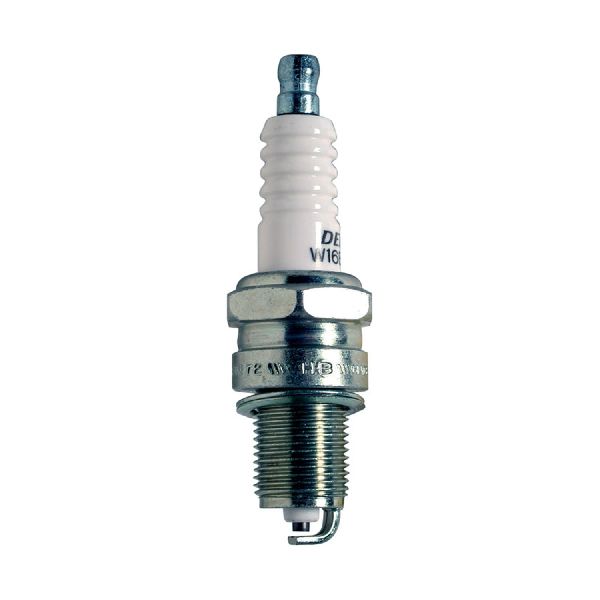
- Standard & Recommended (Copper Core): For a stock engine, these are your best bet. They are what the van was designed for. Brands like Champion, Autolite, and standard NGK or Denso plugs are excellent choices. Champion was a common original equipment (OEM) supplier for Chrysler vehicles of this era, making them a historically accurate and reliable option. Many owners and mechanics stand by them for stock Mopar engines.
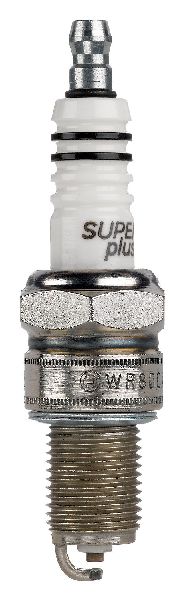
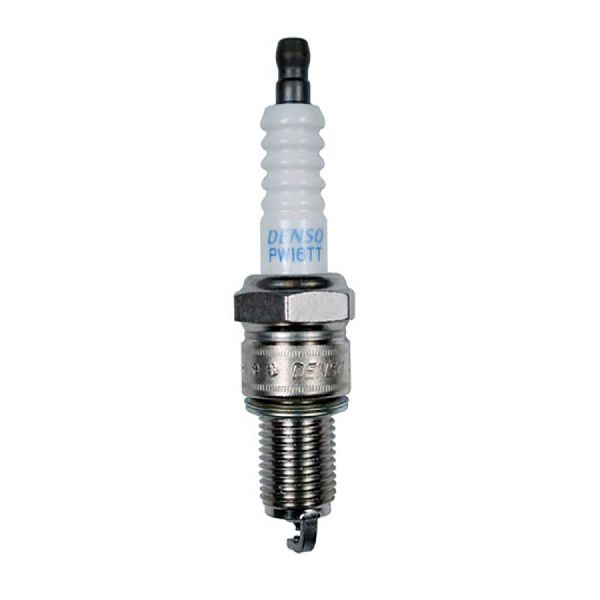
- Premium (Platinum/Iridium): Brands like Bosch, NGK Iridium, and Denso Iridium offer plugs with precious metal tips. These are designed to last much longer than copper plugs. However, they are more expensive and may not provide any noticeable performance benefit on a stock B200 engine. Some owners have had mixed results with platinum plugs in older Mopar engines.
- Performance: Brands like Accel and MSD are geared towards modified engines with upgraded ignition systems. Unless you have made significant performance upgrades to your van's engine, these are likely unnecessary.
Pro Tip: For most 1975-1980 B200s with their original 318 or 360 V8 engines, a set of standard copper core Champion or NGK V-Power plugs is a fantastic, affordable, and reliable choice. They provide a strong spark and are what the ignition system was designed to use.
Aftermarket vs. OEM Quality
For a vehicle of this age, "OEM" (Original Equipment Manufacturer) parts are generally not available in the same way they are for modern cars. Any Mopar-branded plug you might find today is simply a rebranded aftermarket plug. High-quality aftermarket brands like NGK, Denso, Champion, and Autolite are trusted worldwide and produce parts that meet or exceed the original specifications from the 1970s. You can buy aftermarket plugs with confidence.
Estimated Cost of Spark Plugs
| Plug Type | Typical Price Range (Per Plug) | Notes |
|---|---|---|
| Standard Copper Core (Recommended) | $3.23 - $6.00 | Best value and performance for stock engines. |
| Platinum | $5.00 - $15.00 | Longer service life, but may not be ideal for all vintage engines. |
| Iridium / Performance | $9.00 - $25.00+ | Longest life, but overkill for a stock B200. The high end of the price range can reach over $80 for specialized racing plugs. |
Frequently Asked Questions (FAQ)
How often should I change the spark plugs on my B200?
For standard copper core spark plugs, a good rule of thumb is to replace them every 10,000 to 15,000 miles or every two years. This keeps your ignition system in top shape and helps maintain fuel economy and performance.
What is a spark plug gap and why does it matter?
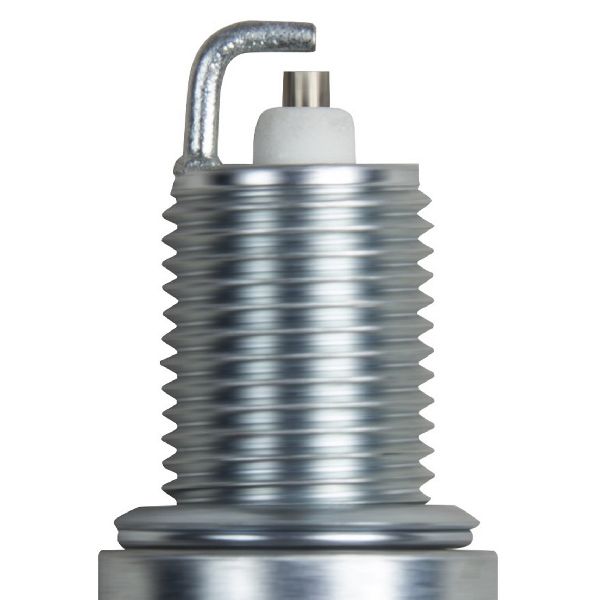
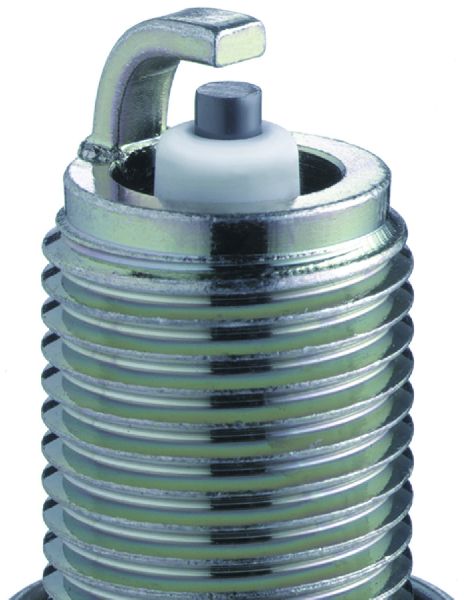
The "gap" is the small space between the center and ground electrodes at the tip of the plug. The spark has to jump this gap. The correct gap size is critical for a strong, consistent spark. For most Dodge V8s of this era, the gap is around 0.035 inches, but you must verify the correct specification for your specific engine. Always check and adjust the gap on new plugs before installing them.
Do I need to use anti-seize on the threads?
Using a very small amount of anti-seize compound on the spark plug threads is a good practice on these older iron cylinder heads. It helps prevent the plugs from getting stuck (seizing) in the head, which makes future replacement much easier. However, be careful not to use too much, and do not get any on the electrode.
Are there any recalls or common issues for my van's spark plugs?
There are no active recalls or major Technical Service Bulletins (TSBs) related to spark plugs for the 1975-1980 Dodge B200. These vehicles are too old for modern TSBs. The most common problems reported by owners are related to using the wrong type of plug, incorrect gapping, or simply old, worn-out plugs and wires.
Technical Specifications
The most common spark plug gap for the Dodge 318 and 360 V8 engines of this era is 0.035 inches. The spark plugs use a 14mm thread and typically require a 5/8 inch spark plug socket. Always confirm the specific requirements for your engine.
We Have This Part in Stock


The information in this article is provided for general reference and educational purposes only. Vehicle specifications, procedures, and part compatibility can vary by production date, trim level, and region. Always consult your vehicle's factory service manual and verify part numbers before purchasing or performing repairs. Safety-critical components such as airbags, seat belts, and braking systems should be installed by a qualified professional.