

Dodge B200 Control Arm Bushing Replacement Guide (1975-1980)
Fix steering wander and clunking noises in your classic Dodge van by choosing the right control arm bushings.
- Failures are due to age; there are no specific recalls or TSBs for this part on your van.
- Choose between a comfortable ride with rubber bushings or improved stability with stiffer polyurethane bushings.
- Replacing bushings requires special tools like a hydraulic press; this is not a simple bolt-off, bolt-on job.
- A wheel alignment is mandatory after replacement to prevent handling issues and rapid tire wear.
Is It Time for New Control Arm Bushings?
The original rubber bushings on your Dodge B200 are now decades old and have likely become hardened, cracked, or completely worn out. When they fail, the metal control arm can move around excessively, leading to a number of handling and safety problems. Listen and feel for these common symptoms to know when it's time for a replacement.
Key Failure Symptoms
- Clunking or Knocking Noises: A common sign is a clunking sound from the front suspension, especially when going over bumps, potholes, or making sharp turns. This is the sound of metal-on-metal contact as the worn bushing allows for too much movement.
- Steering Wander: If you constantly have to make small corrections to keep the van driving straight, your bushings may be to blame. This creates a loose or imprecise feeling in the steering.
- Uneven Tire Wear: Worn bushings can throw off the wheel alignment, causing the inside or outside edges of your front tires to wear down faster than the rest of the tread.
- Vibrations: You might feel vibrations through the steering wheel, especially at higher speeds. This happens because the worn bushings can no longer effectively dampen road imperfections.
Choosing the Right Aftermarket Bushing
For a 1975-1980 B200, new original equipment (OEM) bushings are generally not available. The aftermarket is your primary source, offering several types and brands to fit your needs and budget.
Material: Rubber vs. Polyurethane
Your main choice will be between standard rubber bushings and firmer polyurethane bushings.
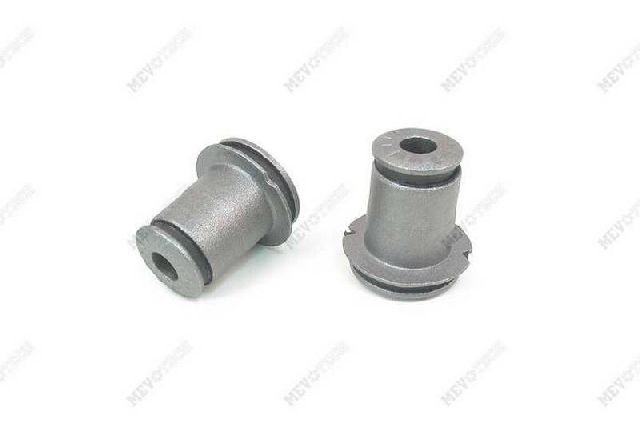
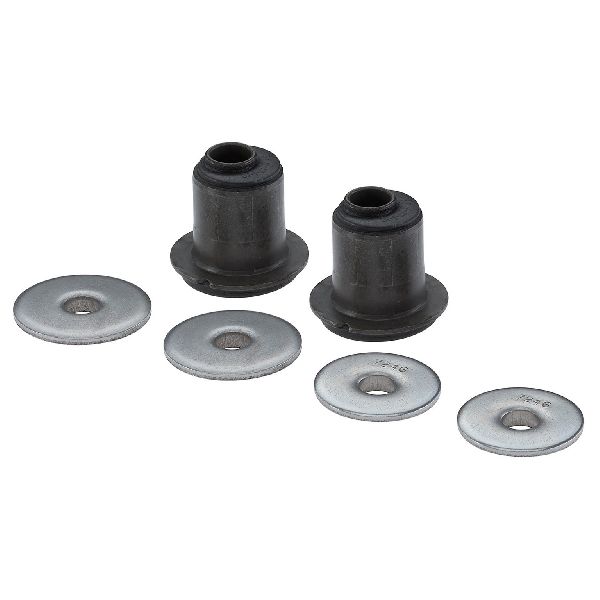
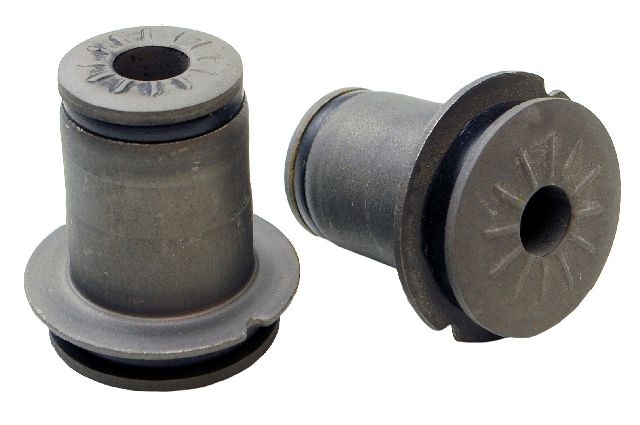
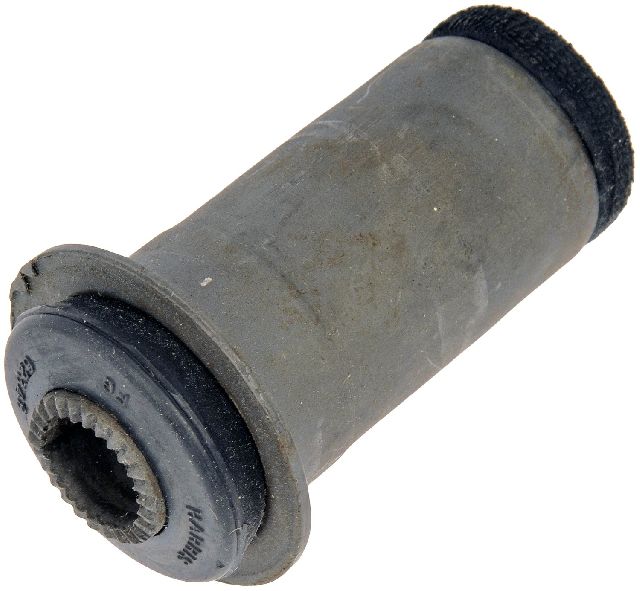
- Rubber Bushings (Good): These are most like the original parts. They offer a comfortable, quiet ride by absorbing lots of vibration. Brands like Dorman, Mevotech, and Delphi typically offer rubber or synthetic rubber replacements that are a direct fit. They are a great choice for a stock restoration or if ride comfort is your top priority.
- Polyurethane Bushings (Better Performance): Brands like Nolathane specialize in polyurethane. These bushings are much stiffer than rubber, which reduces suspension flex and can improve steering response and control—a noticeable benefit on a large van. However, they transmit more road noise and vibration, resulting in a harsher ride. They also require special grease during installation to prevent squeaking. Some users have reported issues with certain polyurethane brands becoming brittle over time.
Pro Tip: For a heavily loaded work van or camper conversion, the added stability from polyurethane bushings can be a significant upgrade. For a daily driver where comfort is key, stick with high-quality rubber.
Brand Tiers
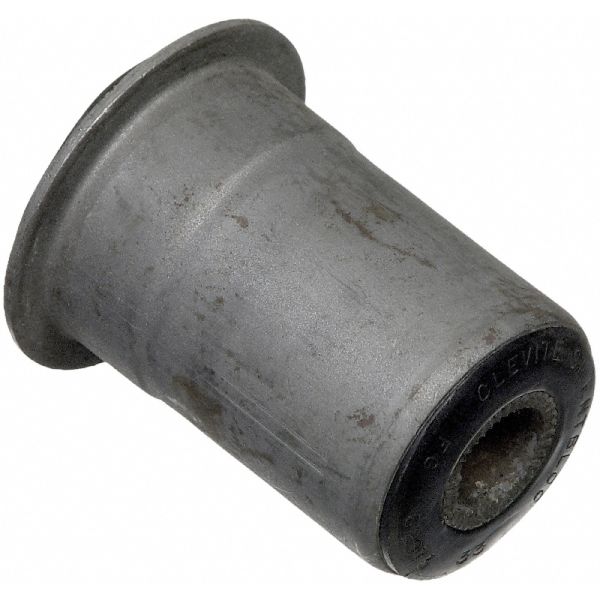
- Premium Brands (Moog, Delphi): Moog is well-regarded for producing high-quality parts that often meet or exceed original specifications. Delphi is also considered a premium brand with a strong OE background. These are excellent choices for durability and peace of mind.
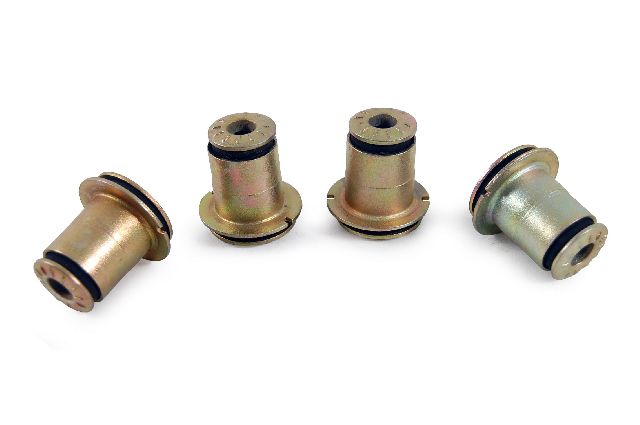
- Standard/Value Brands (Dorman, Mevotech): Dorman offers a huge range of parts at an affordable price, making them a popular choice for budget-conscious repairs. Mevotech is often seen as a good balance between price and quality, sometimes incorporating design improvements over the original.
- Specialty Brands (Nolathane): This brand focuses on polyurethane performance upgrades. Choose this if you are specifically looking for a firmer, more responsive suspension feel.
| Brand Tier | Typical Price Range (Per Kit) |
|---|---|
| Value (Dorman, some Mevotech) | $17.50 - $35.00 |
| Premium / Polyurethane (Moog, Delphi, Nolathane) | $35.00 - $60.35 |
Frequently Asked Questions
Are there any recalls for the B200 control arm bushings?
No. Searches of the National Highway Traffic Safety Administration (NHTSA) database show no recalls or technical service bulletins (TSBs) for suspension control arm bushings on the 1975-1980 Dodge B200. Any failures are a result of the vehicle's age and normal wear and tear.
Can I replace just the bushings, or do I need a whole new control arm?
For this vehicle, bushings are available separately, allowing you to press out the old ones and install new ones into your existing control arms. This is more cost-effective but requires special tools. Some aftermarket brands may offer complete control arms with new bushings and ball joints pre-installed, which can save significant labor time.
Is this a difficult DIY job?
Replacing control arm bushings is an advanced DIY task. It requires safely lifting and supporting the vehicle. The most difficult part is removing the old bushings and pressing in the new ones, which typically requires a hydraulic shop press or specialized bushing press tools. Some replacement bushings also require you to reuse the original outer metal shell, which adds a step. If you don't have these tools, it's best to leave this job to a professional mechanic.
Should I get a wheel alignment after replacing the bushings?
Yes, absolutely. Replacing control arm bushings will change your van's suspension geometry. A full front-end wheel alignment is required afterward to ensure proper handling, prevent pulling, and avoid premature tire wear.
Technical Specifications
OEM Part Numbers: 2269124
Fitment can vary between early (1975-1978) and later (1979-1980) models; always verify your specific year before ordering. Some kits require reusing the original outer metal bushing shell.
We Have This Part in Stock

The information in this article is provided for general reference and educational purposes only. Vehicle specifications, procedures, and part compatibility can vary by production date, trim level, and region. Always consult your vehicle's factory service manual and verify part numbers before purchasing or performing repairs. Safety-critical components such as airbags, seat belts, and braking systems should be installed by a qualified professional.