

1975-1980 Dodge B300 Engine Coolant Bypass Hose Replacement Guide
Address coolant leaks and prevent overheating by understanding this small but critical hose on your classic Dodge B300 van.
- A failing bypass hose will cause coolant leaks and can lead to critical engine overheating.
- For the 1975-1980 B300, new OEM parts are not available; quality aftermarket brands like Gates, Dayco, and ACDelco are the standard choice.
- Always use a pre-molded hose designed for your vehicle; do not use a universal flexible hose.
- It is highly recommended to replace the hose clamps at the same time as the hose to ensure a proper seal.
Signs of a Failing Bypass Hose in Your B300
After 40-plus years of heat cycles and vibration, the original rubber hoses on your Dodge B300 are at the end of their service life. A failure in this small hose can lead to rapid coolant loss and serious engine overheating, just like a main radiator hose. Watch for these clear warning signs:
- Coolant Leaks: This is the most common symptom. You may find puddles of green or yellow coolant under the front of the engine. Because the hose can be hard to see, the leak might look like it's coming from the water pump.
- Low Coolant Level: If you have to add coolant to the radiator or overflow tank often, you have a leak somewhere. A small crack or pinhole in the bypass hose is a common cause.
- Engine Overheating: A leak in the bypass hose will cause your coolant level to drop. If the level gets too low, your engine can't cool itself properly, and the temperature gauge will climb into the red. This can cause severe engine damage.
- Visible Hose Damage: When the engine is cool, inspect the hose. If it looks cracked, brittle, or swollen, or if it feels mushy and soft when you squeeze it, it needs to be replaced immediately.
- Sweet Smell or Steam: A faint, sweet smell of coolant from the engine bay is a sign of a small leak. If coolant drips onto a hot engine, it will create steam that you might see rising from under the hood.
Do Not Ignore a Leaking Hose
A small leak today can become a burst hose tomorrow. A sudden loss of coolant can cause your engine to overheat catastrophically, potentially leading to warped cylinder heads or a cracked engine block. The cost of replacing a hose is minor compared to the cost of major engine repairs.
Choosing the Right Aftermarket Bypass Hose
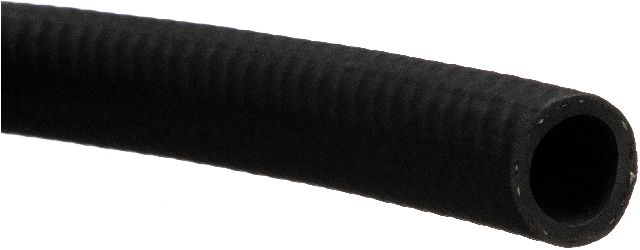
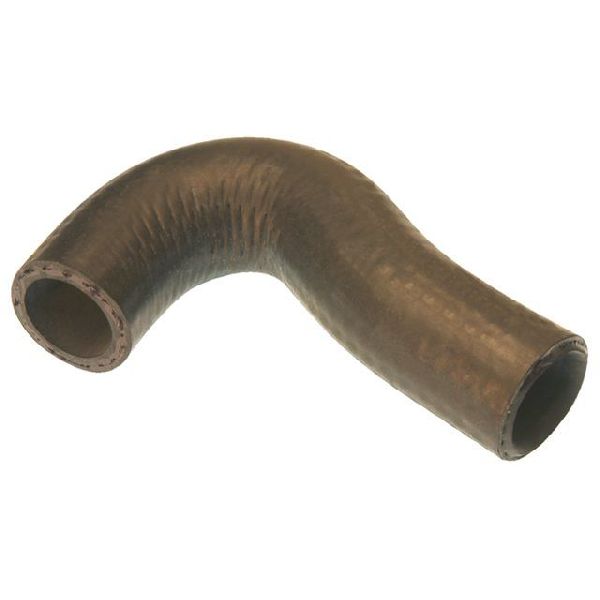
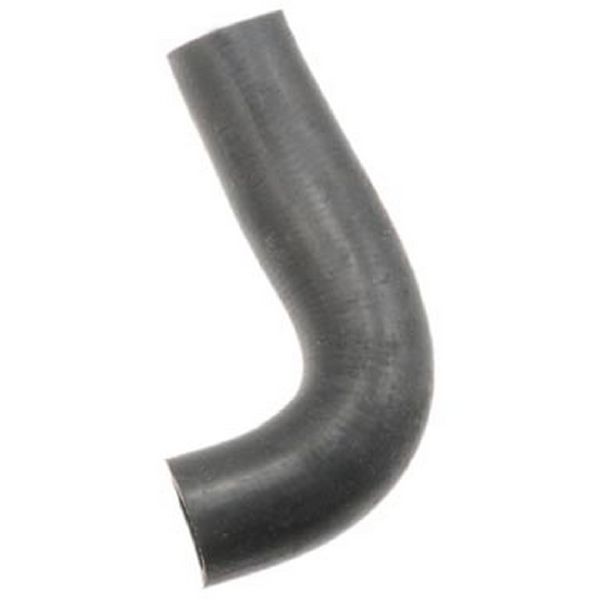
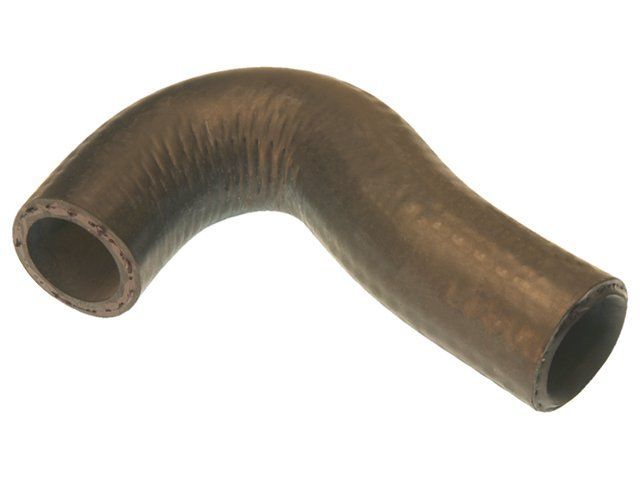
For a vintage vehicle like the 1975-1980 B300, new Original Equipment Manufacturer (OEM) parts are generally not available. The standard for replacement is a quality aftermarket part. The key is to use a pre-molded hose designed specifically for your van; do not use a universal or flexible hose, as it can kink and block coolant flow.
- Good Tier (Standard Replacement): Brands like Gates and Dayco are well-regarded manufacturers of aftermarket hoses. Forum discussions show that mechanics and DIYers use both brands with confidence. They are designed to meet original specifications for fit and function.
- Good Tier (Standard Replacement): ACDelco is another trusted brand that offers professional-grade aftermarket hoses. Like Gates and Dayco, their parts are considered reliable replacements.
Pro Tip: Before you start the installation, hold the new hose up to the old one to make sure all the bends and the overall length match perfectly. This quick check can prevent a big headache if the part was mis-boxed or has a manufacturing defect.
Estimated Cost of Replacement
Replacing the engine coolant bypass hose is an affordable repair. The main cost is the labor, as the part itself is inexpensive. Access can sometimes be tight, which increases labor time.
| Part/Service | Estimated Cost |
|---|---|
| New Aftermarket Bypass Hose | $20 - $82 |
| Shop Labor | $100 - $200 |
| Total Estimated Cost | $120 - $282 |
Note: Costs are estimates and do not include the price of new coolant. It is highly recommended to perform a coolant flush at the same time.
Frequently Asked Questions (FAQ)
Can I replace the bypass hose myself?
Yes, this is a manageable job for a DIYer with basic hand tools. The main challenge is often access. On some Dodge vans, you may need to remove the alternator or A/C compressor and its mounting bracket to reach the hose clamps. Always let the engine cool down completely before starting work.
Should I replace the hose clamps, too?
Absolutely. Always use new hose clamps when installing a new hose. This ensures a tight, leak-free seal. Many owners prefer to use modern worm-drive style clamps, which can be easier to work with than the original spring-type clamps.
Do I need to drain all the coolant?
You will need to at least partially drain the cooling system so the coolant level is below the bypass hose. However, this is a perfect opportunity to flush the entire system and replace the old coolant, which is good practice for maintaining your classic van's engine. When refilling, use a proper coolant mixture with distilled water, not tap water.
Are there any recalls for the bypass hose on my B300?
No. There are no NHTSA recalls or Technical Service Bulletins (TSBs) related to the engine coolant bypass hose for the 1975-1980 Dodge B300. Any failures are due to the age and normal wear of the rubber component.
Technical Specifications
Material: EPDM Rubber. Type: Molded Bypass Hose.
We Have This Part in Stock

The information in this article is provided for general reference and educational purposes only. Vehicle specifications, procedures, and part compatibility can vary by production date, trim level, and region. Always consult your vehicle's factory service manual and verify part numbers before purchasing or performing repairs. Safety-critical components such as airbags, seat belts, and braking systems should be installed by a qualified professional.