

A Guide to Spark Plugs for the 1975-1980 Dodge D100
Get your classic Dodge truck running smoothly with the correct spark plugs for its vintage ignition system.
- For a stock 1975-1980 D100, standard copper-core spark plugs are the best choice.
- Recommended brands for copper plugs include Champion, Autolite, and NGK.
- Always check and adjust the spark plug gap to 0.035 inches before installation.
- Replacing spark plugs is an easy and inexpensive DIY maintenance job that can solve many engine running issues.
Signs of Failing Spark Plugs in Your D100
When spark plugs wear out, your truck will give you clear signs. Because these vehicles do not have modern computer systems, you won't see a check engine light. Instead, you need to pay attention to how the engine runs and feels.
- Rough Idle: The engine may shake or sputter when you're stopped at a light. The idle won't sound smooth and steady.
- Engine Misfires: You might feel the truck hesitate, jerk, or stumble when you accelerate. This is often a sign that one or more cylinders aren't firing correctly.
- Hard Starting: The engine may crank for a long time before it finally starts, especially in cold or damp weather.
- Poor Fuel Economy: If you find yourself visiting the gas station more often, failing spark plugs could be the cause. Inefficient combustion wastes fuel.
- Lack of Power: The truck may feel sluggish or weak, especially when going uphill or trying to accelerate quickly.
Choosing the Right Aftermarket Spark Plug
For a classic truck like the 1975-1980 D100, newer doesn't always mean better when it comes to spark plugs. The original electronic ignition system was designed to work with a specific type of plug. Sticking to this design is the best way to ensure reliability and performance.
The Right Material: Stick with Copper
The single most important factor is the plug's core material. For these trucks, standard copper-core spark plugs are the best choice. They are excellent conductors of electricity and heat, and they work perfectly with the voltage produced by the stock ignition system. While modern engines benefit from long-life platinum or iridium plugs, these are generally not necessary or cost-effective for a stock D100. In some cases, they can even be less effective if the ignition system isn't powerful enough to take advantage of them.
Pro Tip: Always Check The Gap!
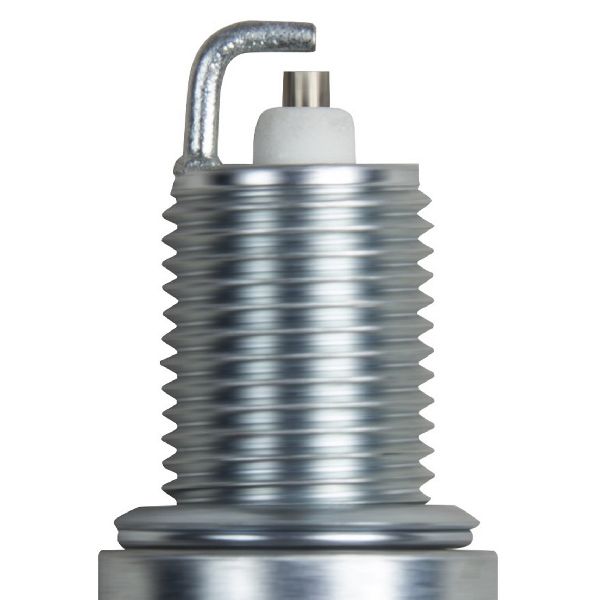
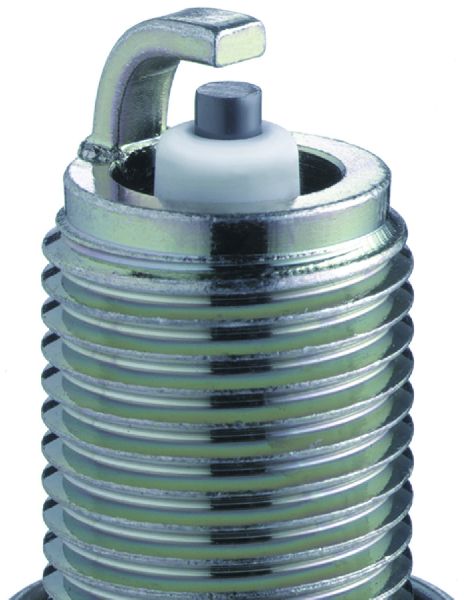
Before installing any new spark plug, you must check the gap. The gap is the space between the center and ground electrodes. For most stock 225, 318, and 360 engines from this era, the correct spark plug gap is 0.035 inches. Use a feeler gauge or a specific spark plug gapping tool to measure and adjust it. Even if the box says "pre-gapped," the gap can change during shipping. An incorrect gap will cause misfires and poor performance.
Recommended Aftermarket Brands
You don't need to spend a lot of money to get high-quality spark plugs for your D100. Focus on reputable brands that offer standard copper plugs.
Tier 1: Excellent OE-Style Replacements (Copper)
- Champion (Copper Plus): Champion was a very common Original Equipment (OE) supplier for Chrysler, Dodge, and Plymouth during this period. Using a standard Champion copper plug is a reliable and authentic choice for your truck.
- Autolite (Copper Core): Autolite is another trusted American brand that has supplied parts to Mopar for decades. Their standard copper plugs are an affordable and dependable option.
- NGK (V-Power): NGK is a top-tier brand known for outstanding quality control. Their standard copper V-Power plugs are a fantastic choice that many owners trust for reliable performance.
Tier 2: Premium & High-Performance Options
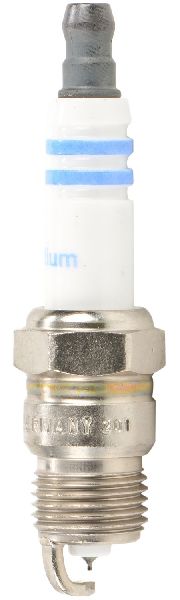
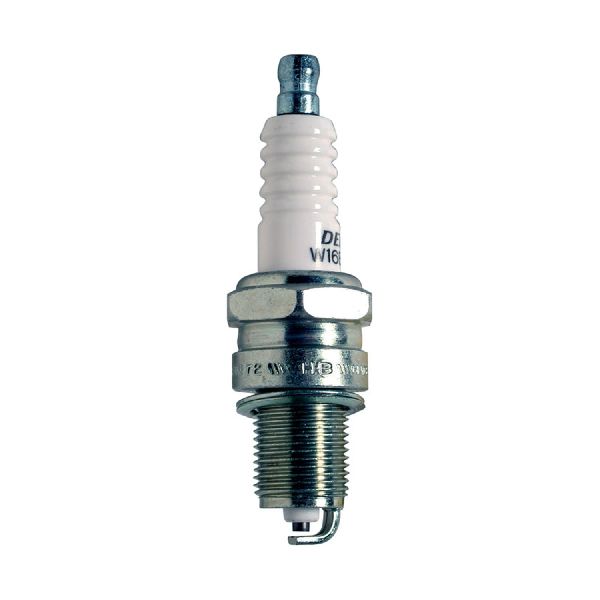
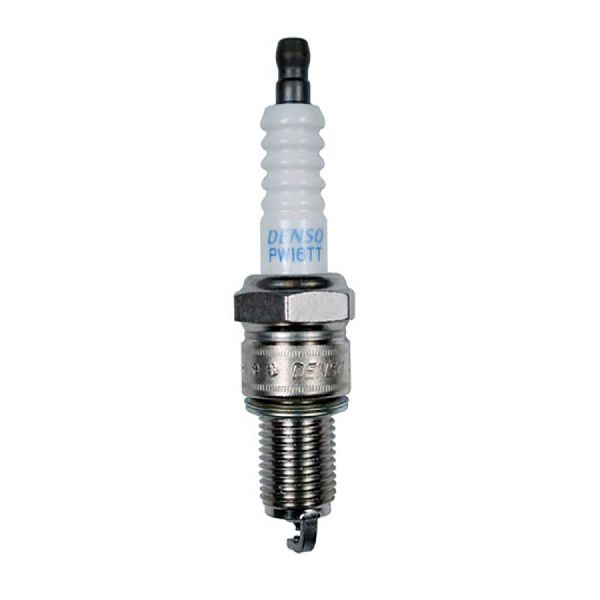
Brands like Accel, MSD, Bosch, and Denso also offer plugs that fit, including premium platinum and iridium types. While these are high-quality parts, they are generally considered overkill for a stock D100 engine. They won't provide a noticeable performance gain over a fresh set of gapped copper plugs and cost significantly more. These are better suited for engines with significant modifications, such as a high-output aftermarket ignition system.
Replacement Cost and Labor
Replacing spark plugs is a common maintenance task. The parts are inexpensive, and the labor is straightforward.
| Item | Estimated Cost |
|---|---|
| Aftermarket Spark Plugs (Set of 6 or 8) | $20 - $60 |
| Shop Labor | $75 - $150 |
Known Issues, Recalls, or TSBs
As of this writing, there are no known recalls or technical service bulletins (TSBs) from the NHTSA specifically concerning spark plugs for the 1975-1980 Dodge D100. Any issues that arise are typically due to normal wear and tear from age and use.
Frequently Asked Questions (FAQ)
How often should I change the spark plugs on my D100?
For a 1975-1980 model using standard copper spark plugs, a good replacement interval is every 15,000 to 20,000 miles, or every two to three years. Copper plugs wear faster than modern plugs, but they are inexpensive, and regular changes are the best way to prevent ignition problems.
Is replacing the spark plugs a difficult DIY job?
No, this is a great DIY job for beginners. On both the Slant-6 and V8 engines in the D100, the spark plugs are typically easy to access. You will need basic tools like a ratchet, a spark plug socket, and a gapping tool. Always work on a cool engine.
Should I put anti-seize on the new spark plug threads?
This is a topic of debate. Some mechanics apply a very small amount of anti-seize compound to the threads to prevent them from getting stuck in the cylinder head. However, some plug manufacturers, like NGK, advise against it because their plugs have a special plating that serves the same purpose. If you do use it, use it sparingly and be aware that it can affect torque readings.
What about the spark plug wires?
While you're replacing the plugs, it's a good time to inspect the spark plug wires. Look for any cracks, brittleness, or signs of arcing (white or black marks on the boots). If the wires are old, replacing them at the same time as the plugs is a good idea to ensure a strong spark gets delivered.
Technical Specifications
OEM Part Numbers: Varies by engine. Cross-reference by your specific engine size (225, 318, 360, etc.)
Recommended Spark Plug Gap: 0.035 inches
We Have This Part in Stock


The information in this article is provided for general reference and educational purposes only. Vehicle specifications, procedures, and part compatibility can vary by production date, trim level, and region. Always consult your vehicle's factory service manual and verify part numbers before purchasing or performing repairs. Safety-critical components such as airbags, seat belts, and braking systems should be installed by a qualified professional.
- 🛍️ Shop This Part
- Signs of Failing Spark Plugs in Your D100
- Choosing the Right Aftermarket Spark Plug
- The Right Material: Stick with Copper
- Pro Tip: Always Check The Gap!
- Recommended Aftermarket Brands
- Replacement Cost and Labor
- Known Issues, Recalls, or TSBs
- Frequently Asked Questions (FAQ)
- 🎟️ Get 5% Off