

A Comprehensive Guide to Accessory Drive Belts for the 1975-1980 Dodge D200
Keep your classic Dodge running strong by choosing the right V-belts for your specific engine and accessories.
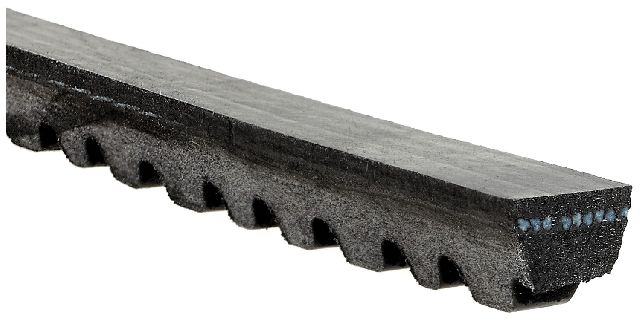
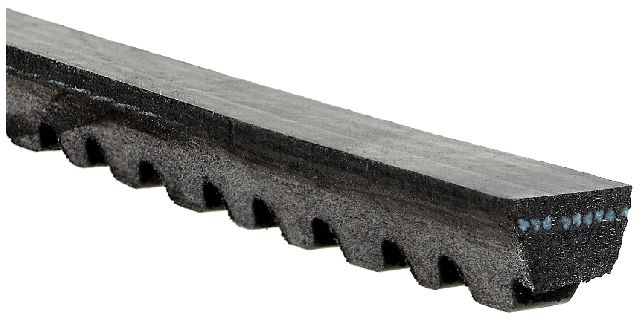
- Your 1975-1980 D200 uses a multiple V-belt system, not a single serpentine belt.
- You must verify your truck's engine and accessories (A/C, power steering) to order the correct belts.
- Tension is set manually by prying on the accessory (like the alternator) before tightening its bolts; there is no automatic tensioner.
- It is best practice to replace all accessory drive belts at the same time for reliability.
Symptoms of a Failing Accessory Drive Belt
A worn or failing V-belt on your Dodge D200 will usually give you clear warning signs. Ignoring them can lead to a breakdown. Look out for these common symptoms:
- Squealing Noises: A high-pitched squeal, especially when you start the engine, accelerate, or turn on the A/C, is the most common sign of a slipping belt. This can be caused by wear, fluid contamination, or improper tension.
- Visible Wear and Damage: Inspect your belts regularly. If you see cracks, splits, fraying edges, or a glazed, shiny appearance on the belt's surface, it's time for a replacement.
- Accessory Problems: The function of the belts is to power your accessories. If you notice dimming headlights (alternator belt), engine overheating (water pump belt), or difficulty steering (power steering belt), a failing belt is a likely cause.
- Vibrations: A worn and unbalanced belt can sometimes cause unusual vibrations from the engine bay.
Choosing the Right Aftermarket Belt
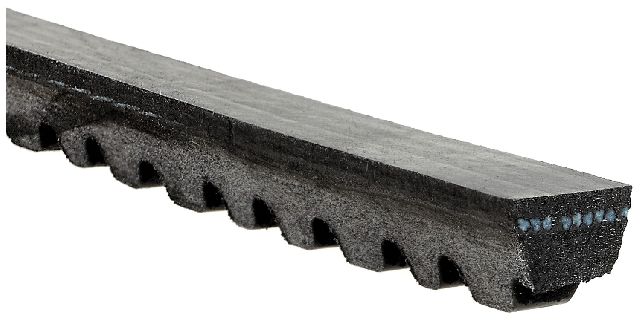
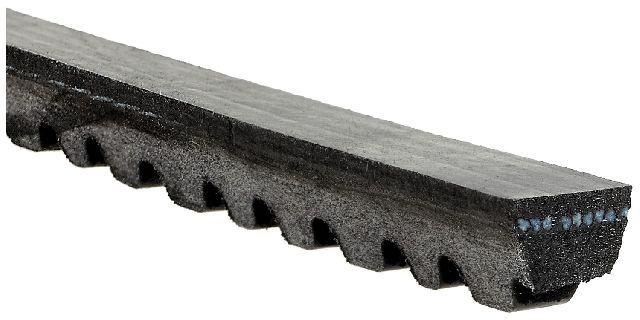
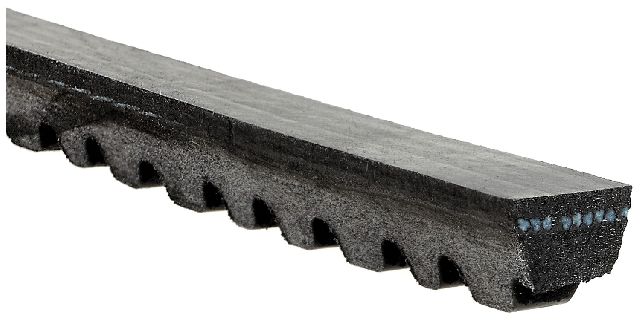
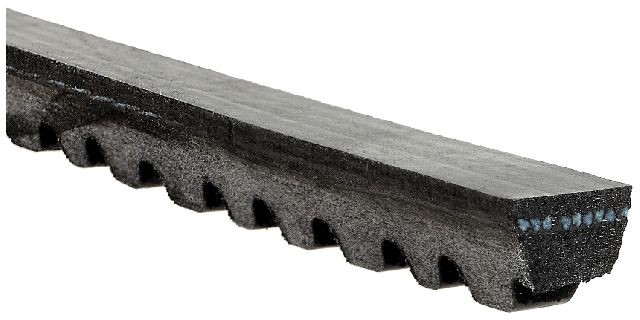
For a vintage truck like the D200, original equipment (OEM) belts are no longer available. The good news is that modern aftermarket belts from reputable brands are made with superior materials like EPDM rubber, which lasts longer and resists heat and oil better than the original neoprene belts. The key is choosing the correct belt for your truck's specific configuration.
Pro Tip: Check Your Configuration
Before ordering, you MUST know your D200's engine (e.g., 5.2L V8, 5.9L V8) and what accessories it has (Air Conditioning, Power Steering, high-output alternator). A belt for a truck with A/C will be different from one without. It's wise to measure the old belt if you are unsure or check part numbers stamped on it.
Brand Quality Tiers
While many brands exist, focusing on established names ensures reliability. For your D200, you can think of brands in these tiers:
- Premium Quality (Gates): Gates is a highly respected brand in the industry, often considered a top-tier choice for durability and performance. Many mechanics and enthusiasts prefer them for their reliability, and they are an excellent choice for peace of mind.
- Quality Alternative (Continental): Continental is another major OEM supplier and produces high-quality aftermarket belts. They are known for quiet operation and are a solid choice, offering performance that is often on par with Gates.
- Standard Replacement (Dayco): Dayco offers a reliable and cost-effective solution. Their belts meet or exceed OEM specifications and are a dependable choice for a standard replacement. While some anecdotal reports mention they can be noisier than other brands, they provide good performance for the price.
| Part Type | Cost Range (Per Belt) | Notes |
|---|---|---|
| New Aftermarket | $7.33 - $41.28 | Price depends on the specific belt (e.g., alternator vs. A/C) and brand. This is the standard and recommended option. |
| New OEM | Not Available | Original Mopar belts from this era are no longer in production. |
Frequently Asked Questions (FAQ)
How many accessory belts does my 1975-1980 D200 have?
It depends on your engine and options. Most V8 models will have at least two or three belts, and potentially more if equipped with A/C, power steering, and other options. There is no single answer; you must inspect your specific engine bay to know for sure.
What's the difference between a V-belt and a serpentine belt?
Your D200 uses multiple, individual V-belts. Modern cars use a single, flat, ribbed serpentine belt that winds its way around all the pulleys with the help of a tensioner. V-belt systems are simpler in some ways but require tensioning each belt by moving the accessory it drives.
How do I know which specific belt to buy?
You need to identify which accessory the belt drives (e.g., Alternator, A/C Compressor). Part descriptions will specify the application. For example, a listing might say "Fan and Alternator" or "Air Conditioning". Always verify these descriptions against your truck's engine and options.
Should I replace all my belts at once?
Yes, this is highly recommended. If one belt is old enough to fail, the others are likely in similar condition. Since you may need to remove outer belts to get to inner ones, replacing them all at the same time saves you from doing the job again in a few months.
Technical Specifications
System Type: Multiple V-Belt. Belt specifications (length, width, V-angle) vary based on engine size and accessory options (e.g., with/without A/C, alternator amperage). Correct fitment requires matching the belt to its specific application on the vehicle.
We Have This Part in Stock

The information in this article is provided for general reference and educational purposes only. Vehicle specifications, procedures, and part compatibility can vary by production date, trim level, and region. Always consult your vehicle's factory service manual and verify part numbers before purchasing or performing repairs. Safety-critical components such as airbags, seat belts, and braking systems should be installed by a qualified professional.