

1975-1980 Dodge D200 Carburetor Replacement and Upgrade Guide
If your classic D200 is running rough, stalling, or guzzling gas, a worn-out carburetor is the likely culprit.
- Symptoms like rough idle, black smoke, and poor performance strongly point to a failing carburetor on a D200.
- New aftermarket carburetors from brands like Edelbrock and Holley are common, reliable upgrades over the 40+ year old original parts.
- For a stock, direct-fit replacement, a remanufactured carburetor from a brand like Uremco is the best option.
- Replacing the carburetor is a feasible DIY project, but swapping brands may require modifying fuel and throttle linkages.
Is Your D200's Carburetor Failing?
After 40+ years of service, the original carburetor on your Dodge D200 is likely worn out. Gaskets dry up, internal passages get clogged with fuel deposits, and moving parts like the throttle shaft can wear, causing air leaks. These issues can prevent your engine from getting the right air-fuel mixture.
Common Symptoms of a Bad Carburetor:
- Poor Engine Performance: You might feel like the truck is lazy or sluggish when you press the gas pedal. A noticeable loss of power and slower acceleration are classic signs.
- Rough Idle or Stalling: The engine may shake, sputter, or die completely when you're stopped at a light. This often points to a problem with the carburetor's idle circuits or a vacuum leak.
- Black Exhaust Smoke: Thick, dark smoke from the tailpipe means the engine is running "rich," or burning too much fuel. This wastes gas and can foul your spark plugs.
- Hard Starting: Difficulty starting the engine, especially when it's cold, can be caused by a faulty choke or an incorrect air-fuel mixture from the carburetor.
- Engine Backfiring: A pop or bang from the engine or exhaust can happen if the fuel mixture is too "lean" (not enough fuel). This condition can cause overheating and potential engine damage.
- Decreased Fuel Economy: If you're filling up the tank more often than you used to, a failing carburetor could be delivering more fuel than the engine needs.
No Recalls or TSBs Found
Searches of the National Highway Traffic Safety Administration (NHTSA) database did not find any recalls or technical service bulletins (TSBs) specifically for carburetor issues on the 1975-1980 Dodge D200. Any problems you experience are likely due to the age and wear of the original component.
Choosing a New Aftermarket Carburetor
Finding a brand-new OEM carburetor from Dodge is no longer possible. Your options are a remanufactured stock-style carburetor or a new aftermarket performance carburetor. For most owners, a new aftermarket unit is the best choice for reliability and performance.
Brand Tiers for Your D200
Tier 1: Performance Upgrades (Edelbrock, Holley)
These brands are popular upgrades for classic trucks. They offer improved performance, reliability, and easier tuning compared to the 40-year-old original designs.
- Edelbrock: Known for being extremely user-friendly. They often run well right out of the box with minimal adjustment, making them a great "set it and forget it" option for a daily driven or street truck. They are praised for their reliability and smooth throttle response.
- Holley: A legendary name in performance, Holley carburetors offer a high degree of tunability for owners who want to get the absolute most power from their engine. While some find them more complex to tune than an Edelbrock, they are the top choice for modified engines and racing applications.
Tier 2: Stock-Style Replacements (Uremco)
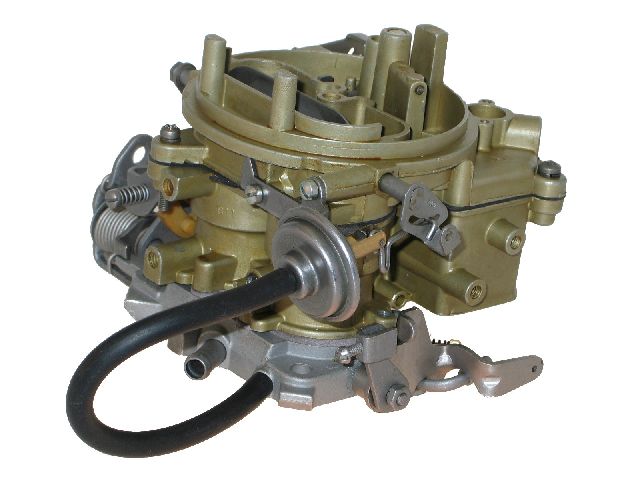
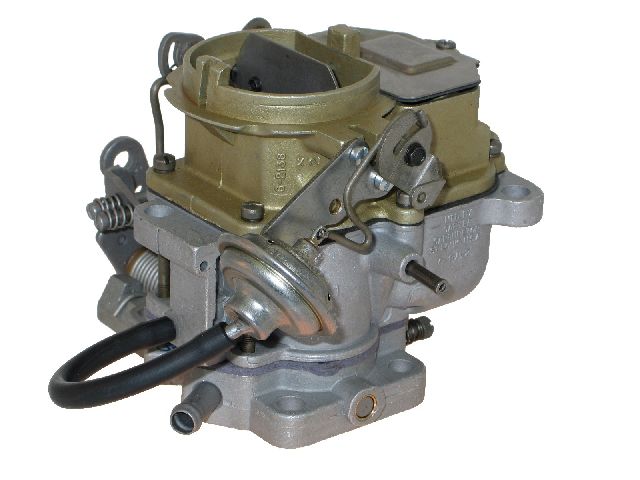
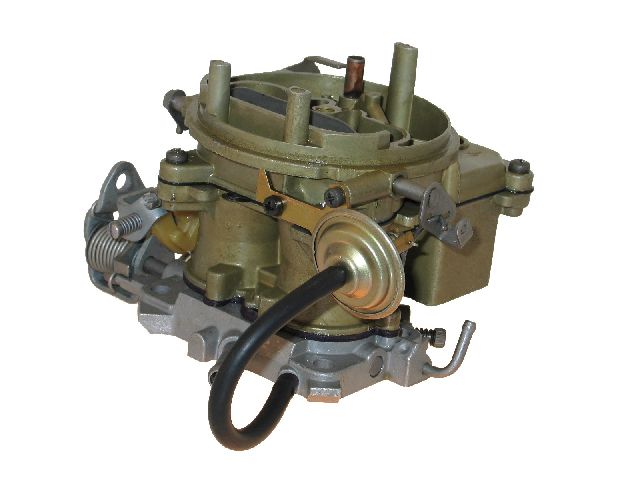
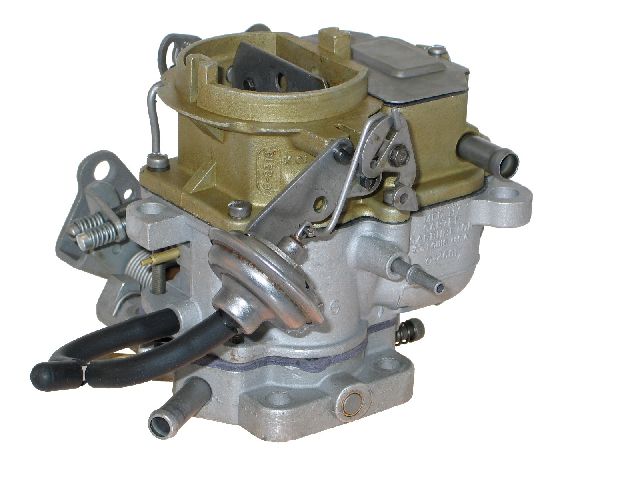
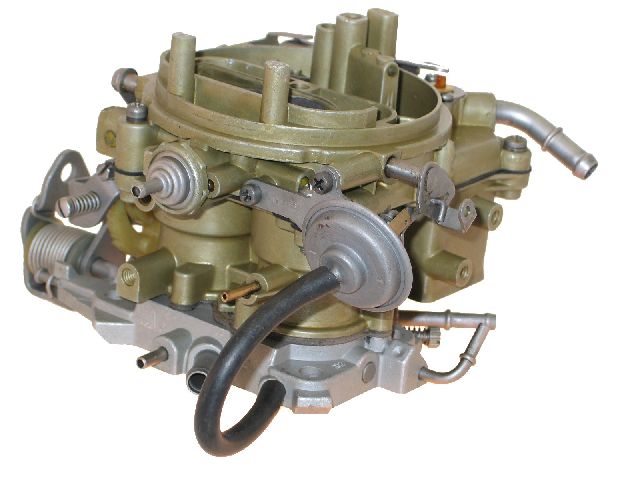
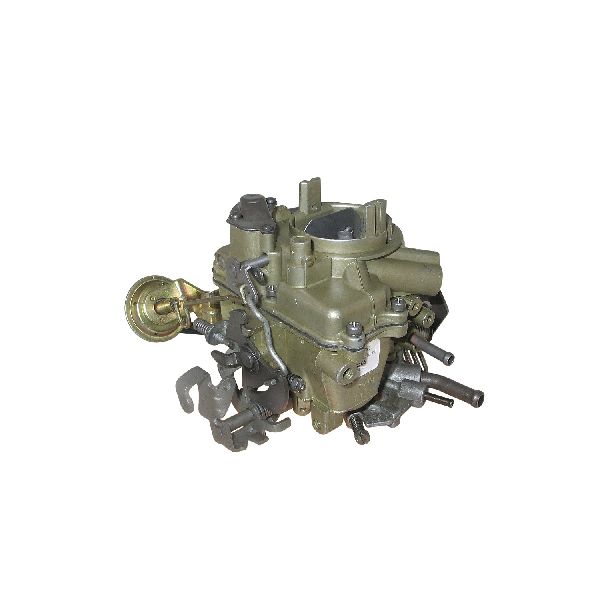
- Uremco: This company specializes in remanufacturing original carburetors back to factory specifications. They completely disassemble, clean, and rebuild original units (like the stock Carter BBD) with new internal parts. A Uremco carburetor is your best bet if you want a direct, bolt-on replacement that functions just like the original part.
Pro Tip: 2-Barrel vs. 4-Barrel
Your D200 likely came with a 2-barrel carburetor (like the Carter BBD). Upgrading to a 4-barrel carburetor from Edelbrock or Holley requires a matching 4-barrel intake manifold. While this can significantly increase power, it's a more involved and expensive job. For a simple replacement, stick with a 2-barrel model.
Cost of Replacing a Dodge D200 Carburetor
Here are the estimated costs for parts and labor. Labor costs can vary based on your location and the shop's hourly rate.
| Item | Estimated Cost |
|---|---|
| New Aftermarket Carburetor (Edelbrock, Holley) | $310 - $520 |
| Remanufactured Carburetor (Uremco) | $250 - $350 |
| Shop Labor | $200 - $450 |
| Total Estimated Cost | $450 - $970 |
Frequently Asked Questions
Can I just clean or rebuild my old carburetor?
Yes, rebuild kits are available and inexpensive. A rebuild involves taking the carburetor apart, cleaning all the passages, and replacing gaskets, seals, and other small parts. However, a rebuild kit won't fix problems like a worn-out throttle shaft, which causes vacuum leaks and a rough idle. If the carburetor body itself is worn, replacement is the better long-term solution.
Do I need to tune a new aftermarket carburetor?
Yes. Even though brands like Edelbrock are known to run well out of the box, you will still need to perform basic adjustments. This includes setting the idle speed and the idle mixture screws to ensure the engine runs smoothly. Proper tuning is essential for the best performance and fuel economy.
Will a new carburetor require other modifications?
If you choose a remanufactured, stock-style carburetor, it should be a direct bolt-on. If you upgrade to a different brand like Edelbrock or Holley, you may need to adapt the throttle linkage, transmission kick-down linkage, and fuel line to fit the new carburetor. These brands usually provide instructions or sell kits to make this easier.
What does CFM mean and what do I need for my D200?
CFM stands for Cubic Feet per Minute, and it measures how much air the carburetor can flow. For a stock or mildly modified V8 engine in a D200 (like a 318 or 360), a carburetor in the 500-600 CFM range is usually a good choice. A carb that is too large can hurt throttle response and drivability.
Technical Specifications
Original carburetors were typically Carter BBD (2-barrel) or Holley 2-barrel models for V8 engines, and Carter BBS (1-barrel) for 6-cylinder engines.
We Have This Part in Stock

The information in this article is provided for general reference and educational purposes only. Vehicle specifications, procedures, and part compatibility can vary by production date, trim level, and region. Always consult your vehicle's factory service manual and verify part numbers before purchasing or performing repairs. Safety-critical components such as airbags, seat belts, and braking systems should be installed by a qualified professional.