

Choosing the Right Mechanical Fuel Pump for Your 1975-1980 Dodge D200
Keep your classic Dodge D200 running strong by understanding its mechanical fuel pump and how to choose the best replacement.
- A failing fuel pump can cause sputtering, power loss, and hard starting.
- A critical symptom is fuel leaking into the engine oil, which requires immediate attention to avoid engine damage.
- For stock replacement, Carter is the most recommended brand by Mopar enthusiasts.
- Driving with a failing fuel pump is not recommended as it can leave you stranded or cause engine damage.
Is Your D200's Fuel Pump Failing?
A failing mechanical fuel pump doesn't usually quit without warning. For a 1975-1980 Dodge D200, the signs are often subtle at first but become more serious. 🎬 Watch: A mechanic explains 5 signs your pump is failing. If the pump can't supply enough fuel, the engine will be starved, leading to poor performance and potential stalling.
Common Symptoms Include:
- Sputtering at Highway Speeds: The truck may run fine around town, but at higher, sustained speeds, it might sputter or lose power. This happens when the pump can't supply the volume of fuel the engine needs.
- Loss of Power Under Load: You might notice the truck struggling to climb hills or accelerate when carrying a heavy load. The engine needs more fuel when working hard, and a weak pump can't keep up.
- Difficulty Starting: If the engine cranks for a long time before it starts, the fuel pump might be weak or have a leaky check valve, allowing fuel to drain back to the tank.
- Engine Stalling: The engine may stall, especially when it's hot. Sometimes, it will restart after cooling down for a while.
- Fuel in the Oil: This is a critical symptom. A ruptured diaphragm inside the pump can leak gasoline directly into the engine's crankcase. If you smell gasoline on your oil dipstick, stop driving the vehicle immediately to prevent severe engine damage. 🎬 Watch: 5 easy checks to see if your pump is bad.
Choosing the Right Aftermarket Fuel Pump
Original Mopar fuel pumps for a truck of this age are no longer available from dealers. The good news is that the aftermarket offers a wide selection of quality replacements. For these classic Dodge trucks, brands with a long history are often the most trusted by owners.
Brand Quality Tiers for Your D200
Not all brands are created equal. Based on owner feedback in Mopar communities, here’s a breakdown of what to expect.
Tier 1: High-Quality & Performance Brands
- Carter: This is the most frequently recommended brand in Mopar forums for a stock replacement. Carter was an original equipment supplier for Chrysler, and their pumps are known for reliability and correct pressure output for carbureted engines. While some modern production may be outsourced, it remains the go-to choice for many classic truck owners.
- Holley & Edelbrock: These are premium, performance-oriented brands. If your D200 has engine modifications like an aftermarket carburetor or camshaft, a Holley or Edelbrock pump is an excellent choice. They are well-built and reliable, though some high-flow models may require a separate fuel pressure regulator to avoid overwhelming the carburetor.
Tier 2: Standard Replacement Brands
- Spectra Premium, GMB, US Motor Works, Delphi: These brands are common in general auto parts stores and offer a cost-effective solution. User reviews are often mixed; some owners have used them for years without issue, while others prefer to stick with the more established names for a critical component like a fuel pump. They are generally considered a standard, functional replacement for a daily driver under normal conditions.
Pro Tip: For a stock or lightly modified engine, a Carter mechanical fuel pump offers the best combination of originality, reliability, and correct performance without needing a separate pressure regulator.
Cost of a New Mechanical Fuel Pump (1975-1980 Dodge D200)
| Part Type | Estimated Cost |
|---|---|
| New Aftermarket Mechanical Fuel Pump | $34.93 - $58.07 |
| Shop Labor for Installation | $120 - $250 |
| Total Professional Replacement | $155 - $310 |
Cost estimates are for parts and labor and can vary by location and shop rates.
Frequently Asked Questions (FAQ)
Do I need a fuel pressure regulator with my new pump?
For a stock engine with a standard replacement pump (like a Carter), you typically do not need a regulator. These pumps are designed to output the correct pressure (5-8 PSI) for the carburetor. However, if you choose a high-performance or "racing" pump from Holley or Edelbrock, you may need a regulator to dial the pressure down and prevent flooding the carburetor.
Is it difficult to replace the fuel pump myself?
For a mechanic with some experience, the job is straightforward. Access is typically gained by removing the front passenger-side wheel. The process involves safely disconnecting the fuel lines, unbolting the old pump from the side of the engine block, and installing the new one. It's important to ensure the new pump's lever is correctly positioned on the camshaft lobe. The difficulty is low to moderate.
🎬 See this walkthrough on how to replace a Dodge mechanical pump.Are there any recalls on the fuel pump for my D200?
No, there are no active recalls or common Technical Service Bulletins (TSBs) from the NHTSA for the mechanical fuel pump on the 1975-1980 Dodge D200. Any issues you experience are likely due to the age and wear of the original component.
What is a "weep hole" on a mechanical fuel pump?
The weep hole is a safety feature. It's a small hole on the underside of the pump. If the internal diaphragm begins to fail and leak fuel, the gasoline is designed to drip out of this hole. This provides a visible warning of a problem and helps prevent fuel from being forced into the engine's crankcase. If you see fuel dripping from the pump, it needs to be replaced immediately.
Helpful Videos
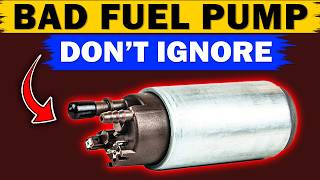
Technical Specifications
The key specification for this part is the fuel pressure. A replacement pump should be rated for low pressure, typically between 5 and 8 PSI, which is suitable for a carbureted fuel system.
We Have This Part in Stock
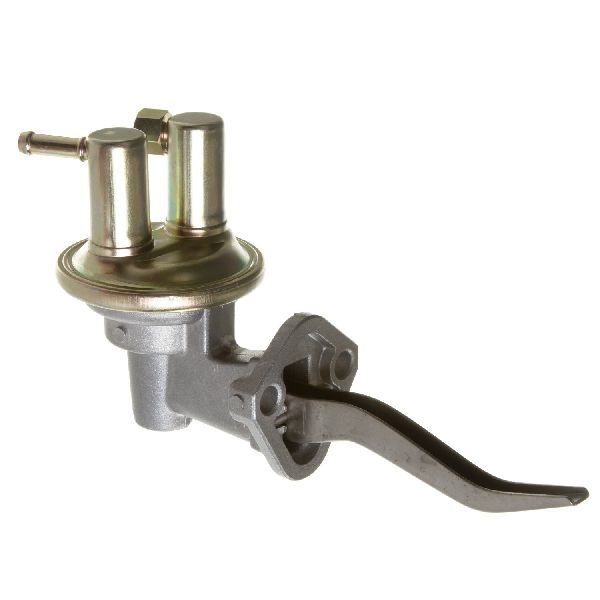
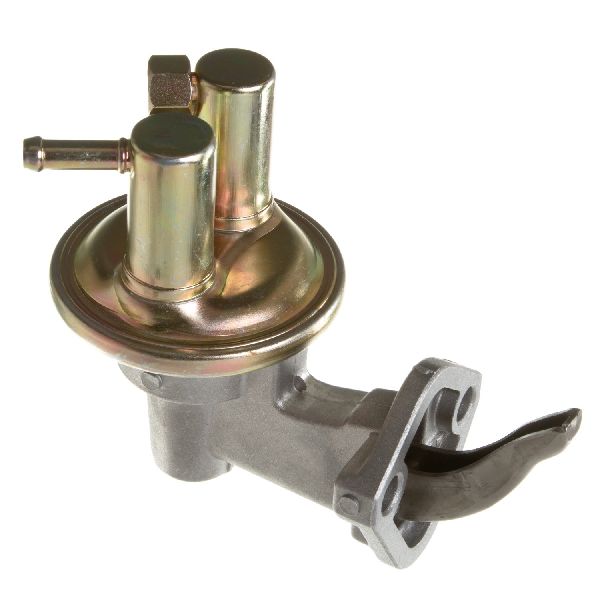
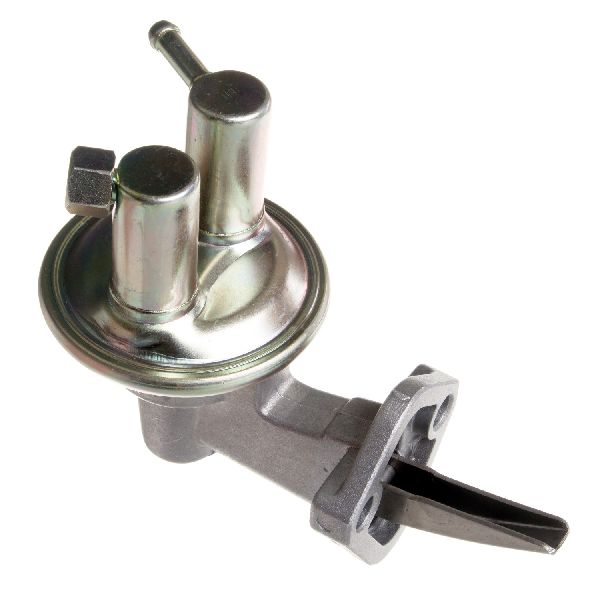
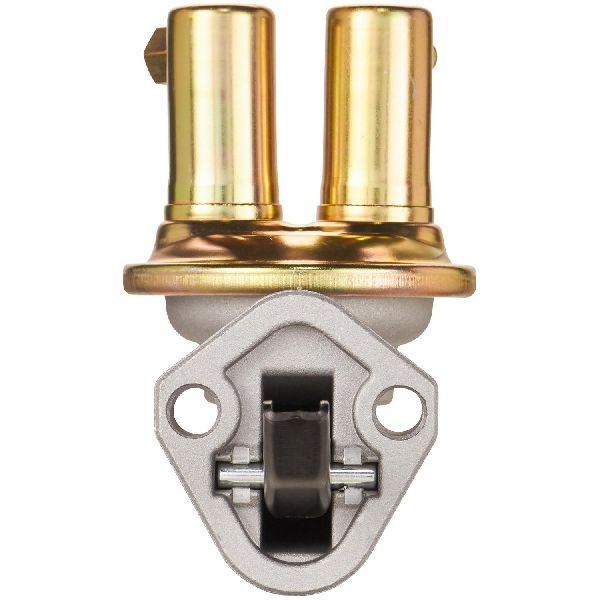
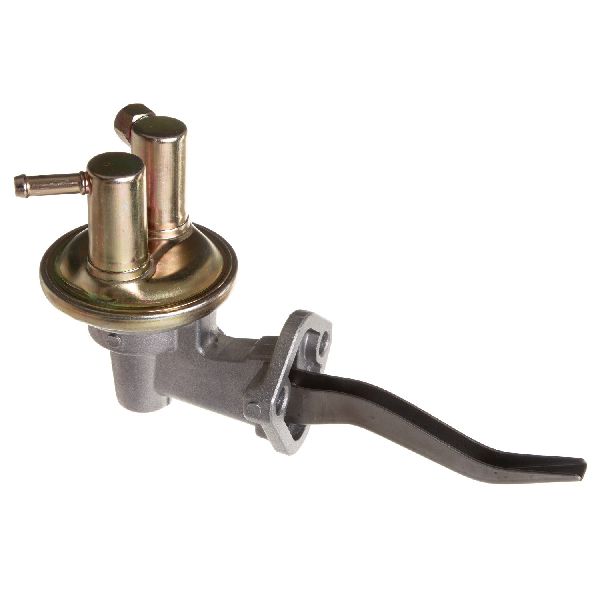
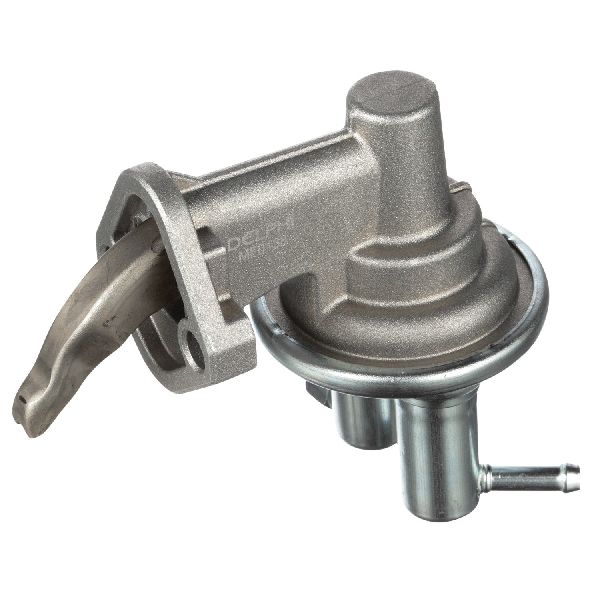

The information in this article is provided for general reference and educational purposes only. Vehicle specifications, procedures, and part compatibility can vary by production date, trim level, and region. Always consult your vehicle's factory service manual and verify part numbers before purchasing or performing repairs. Safety-critical components such as airbags, seat belts, and braking systems should be installed by a qualified professional.