

Choosing the Right Aftermarket Carburetor for Your 1975-1980 Dodge D300
Get your classic Dodge one-ton running strong again by picking the perfect new carburetor for its engine.
- Common failure symptoms include hard starting, rough idle, black exhaust smoke, and poor power.
- New OEM carburetors are not available; your options are new aftermarket or remanufactured.
- Edelbrock is known for easy, out-of-the-box use, while Holley offers more tuning potential for performance.
- For a stock V8 engine, a carburetor rated between 500 and 650 CFM is generally the correct size.
Is Your D300's Carburetor Failing?
A carburetor wears out over time. Gaskets get old, passages get clogged with fuel varnish, and moving parts stop working correctly. If your D300 is showing signs of trouble, the carburetor is a common part to check. Watch for these symptoms:
- Hard Starting: The engine cranks but won't start easily, especially when cold. This can happen when the choke isn't working or the fuel mixture is wrong.
- Rough Idle: The engine sputters, shakes, or stalls when you're stopped.
- Poor Performance & Hesitation: Your truck feels sluggish when you press the gas pedal and lacks the power it used to have.
- Black Smoke from Exhaust: Dark smoke means the carburetor is sending too much gasoline into the engine, a condition called "running rich." This wastes fuel and can foul your spark plugs.
- Backfiring or Overheating: Backfiring can be caused by a lean mixture (too much air, not enough fuel), which can also make the engine run hotter than normal.
No Recalls or TSBs Found
Searches of the National Highway Traffic Safety Administration (NHTSA) database and other technical resources did not find any specific recalls or technical service bulletins (TSBs) for carburetor issues on the 1975-1980 Dodge D300. Any problems you experience are likely due to the age and wear of the original part.
Choosing Your New Aftermarket Carburetor
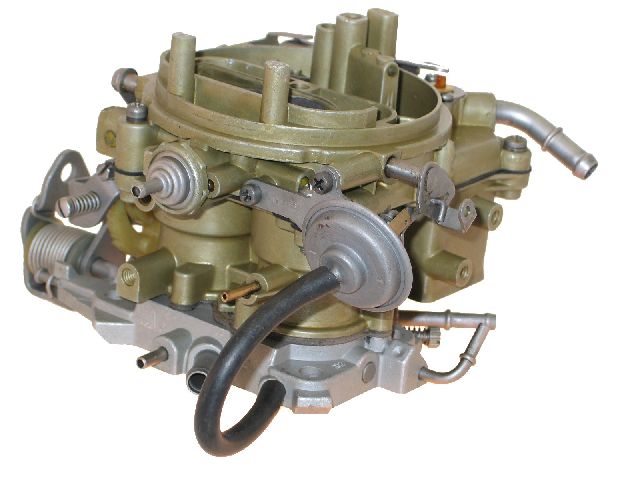
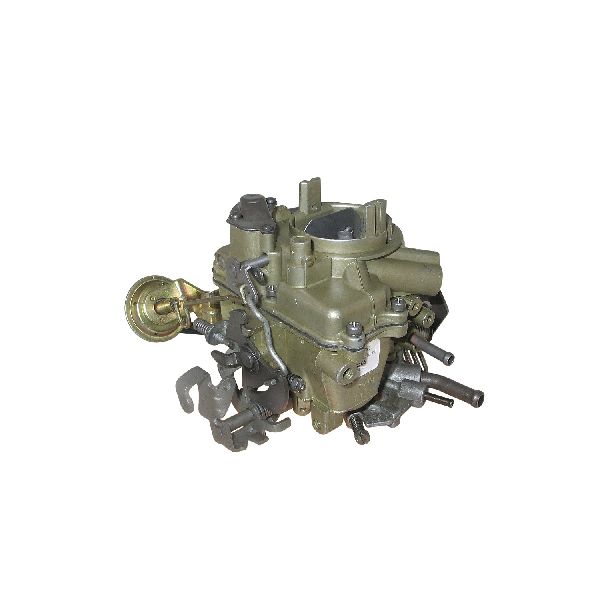
Finding a brand-new original equipment (OEM) carburetor for a truck this age is nearly impossible. The good news is that several aftermarket companies make high-quality replacements. Your choice depends on your goals for the truck.
Brand Reputations: Holley vs. Edelbrock vs. Uremco
Your D300 likely has a 318, 360, or 440 V8 engine. The most popular aftermarket brands for these Mopar engines are Holley and Edelbrock.
- Holley: Often preferred by those who want maximum performance and the ability to fine-tune their engine. They are highly adjustable but may require more initial setup to get running perfectly. Many Mopar enthusiasts have great success with Holley carbs on their small block engines.
- Edelbrock: Known for being very user-friendly and reliable for street driving. They often run well right out of the box with minimal adjustment, making them a popular "set it and forget it" choice for daily drivers and work trucks.
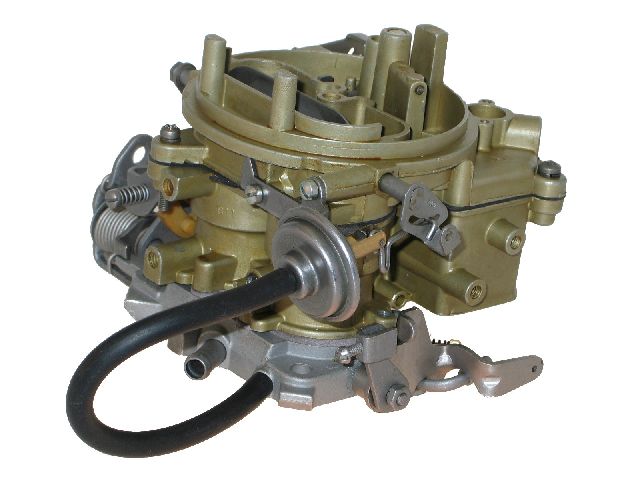
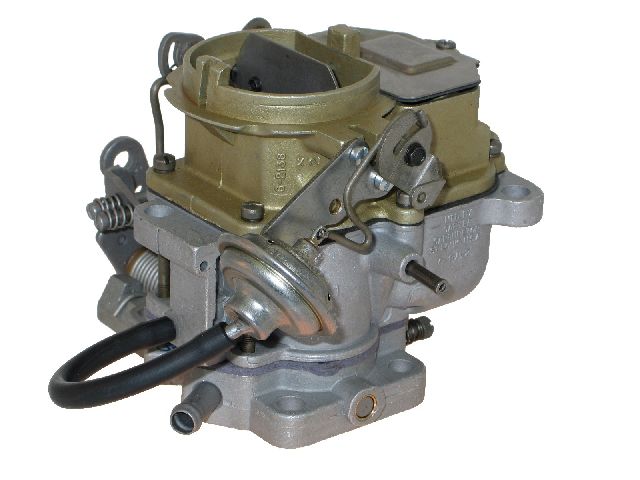
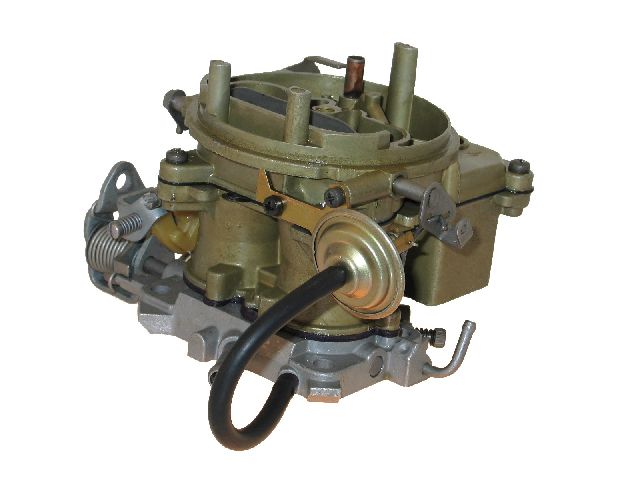
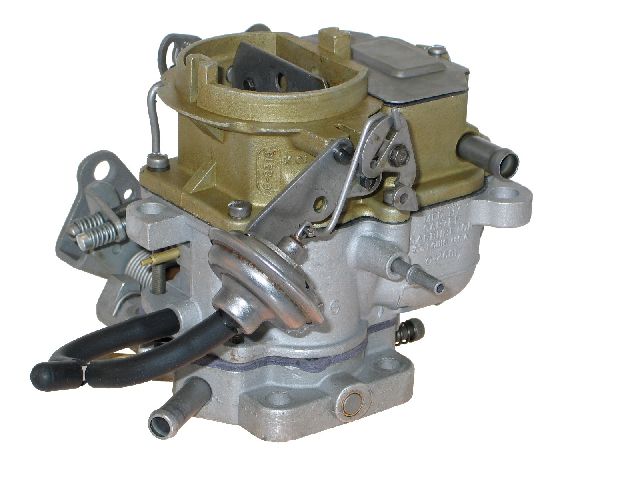
- Uremco: This brand specializes in remanufactured carburetors. They are built to be direct, stock-style replacements. While some users report occasional quality control issues, many find them to be a cost-effective solution that installs easily and runs well without modification.
What is CFM?
CFM stands for "Cubic Feet per Minute" and it measures how much air the carburetor can flow. For a mostly stock 318 or 360 V8 in a D300, a carburetor in the 500-650 CFM range is usually recommended. Going too big can hurt throttle response and drivability, so bigger isn't always better.
Aftermarket Carburetor Cost for 1975-1980 Dodge D300
| Part Type | Estimated Price Range |
|---|---|
| New Aftermarket (Holley, Edelbrock) | $308.16 - $519.95 |
| Remanufactured (Uremco) | $250 - $400 |
| New OEM | Not Available |
| Shop Labor for Installation | $150 - $300 |
Frequently Asked Questions
Is it hard to replace the carburetor myself?
For someone with basic mechanical skills and tools, replacing the carburetor is a very doable DIY job. It involves disconnecting the fuel line, throttle linkage, and vacuum hoses, then unbolting the old carb and bolting the new one on. It typically takes 1 to 2 hours. Following the instructions included with the new part is crucial.
Do I need a 2-barrel or 4-barrel carburetor?
This depends on your truck's original engine and intake manifold. Many stock 318 and 360 engines came with 2-barrel carburetors for economy. Performance versions or larger engines like the 440 often used 4-barrel carbs. You must match the new carburetor to your intake manifold's bolt pattern (2-bolt or 4-bolt).
Should I get an electric choke or a manual choke?
Most modern aftermarket carburetors come with an electric choke. It automatically helps the engine start when cold and is very convenient. A manual choke requires you to pull a cable inside the cab, but some people prefer its simplicity and direct control. For a work truck, an electric choke is usually the easiest option.
Should I rebuild my old carburetor instead of buying a new one?
Rebuilding is an option if the carburetor body and throttle shafts are not worn out. A rebuild kit contains new gaskets, seals, and other small parts. However, if you are not experienced with carburetors, it can be a complex and frustrating job. Buying a complete new or professionally remanufactured carburetor ensures all components are fresh and is often a faster, more reliable solution.
Technical Specifications
Engine Options: 5.2L (318ci) V8, 5.9L (360ci) V8, 7.2L (440ci) V8. Original carburetors were typically 2-barrel or 4-barrel models from Carter, Holley, or Rochester depending on engine and year.
We Have This Part in Stock

The information in this article is provided for general reference and educational purposes only. Vehicle specifications, procedures, and part compatibility can vary by production date, trim level, and region. Always consult your vehicle's factory service manual and verify part numbers before purchasing or performing repairs. Safety-critical components such as airbags, seat belts, and braking systems should be installed by a qualified professional.