

1975-1980 Dodge D300 Engine Coolant Bypass Hose: A Complete Guide
Understand, diagnose, and replace the engine coolant bypass hose on your classic Dodge D300 to prevent overheating.
- A failing bypass hose will cause coolant leaks and can lead to critical engine overheating; do not drive if you suspect a major leak.
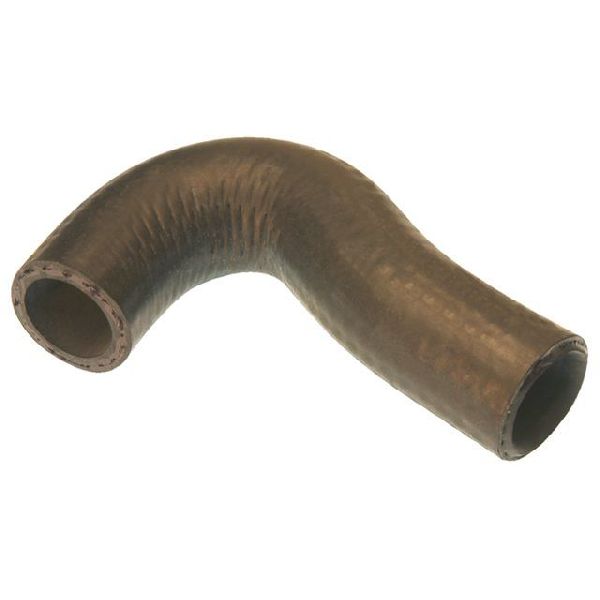
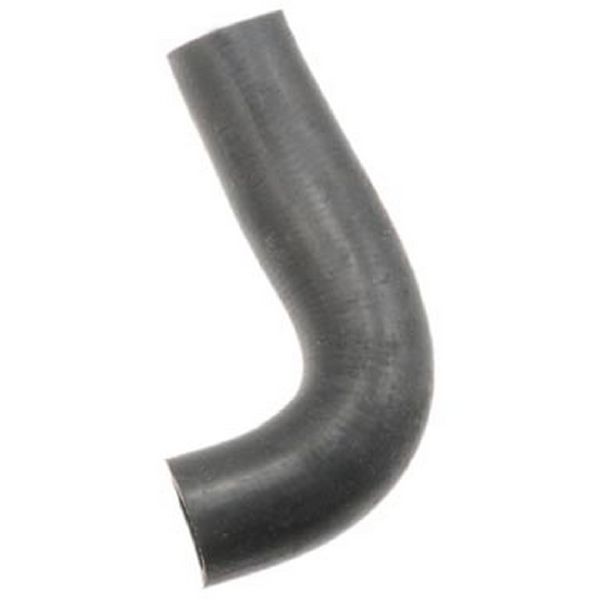
- Always use a pre-molded hose from a quality aftermarket brand like Dayco or Gates; do not use a straight hose that can kink.
- For this model year, there are no OEM parts available, so a new aftermarket hose is the only option.
- Replacement is a manageable DIY task but may require removing the alternator and its bracket for access.
Signs of a Failing Coolant Bypass Hose
This hose is made of rubber and is exposed to constant heat and pressure, which means it will eventually wear out. Ignoring the signs of failure can lead to serious engine trouble. Watch for these common symptoms:
- Coolant Leaks: This is the most obvious sign. You might find a puddle of green or orange fluid under the front of your truck. The leak often starts as a slow drip from the area around the water pump and intake manifold.
- Sweet Smell: If you notice a distinct sweet smell coming from the engine bay, you likely have a coolant leak, even if you can't see it.
- Engine Overheating: A small leak can cause coolant levels to drop over time, leading to overheating. A complete hose failure can dump coolant quickly, causing your truck's temperature gauge to climb into the red and risking severe engine damage.
- Visible Hose Damage: Pop the hood and inspect the hose. If it looks swollen, bulging, cracked, or feels mushy and soft when you squeeze it, it's time for a replacement. A hardened or brittle hose is also a sign of age and impending failure.
Do Not Drive With a Leaking Hose
Driving with a leaking coolant bypass hose is not recommended. A sudden failure can lead to rapid coolant loss and catastrophic engine overheating, potentially causing warped cylinder heads or a blown head gasket.
Choosing the Right Aftermarket Hose
For a classic truck like the 1975-1980 D300, finding new original equipment manufacturer (OEM) parts is nearly impossible. Fortunately, modern aftermarket hoses from reputable brands are excellent replacements and often exceed the quality of the original parts. The two main brands you will find are Dayco and Gates.
- Dayco: Often considered a quality brand, some users feel their hoses are slightly thicker and provide a good fit.
- Gates: A very popular and trusted brand for hoses and belts. Some mechanics prefer Gates for their accurate cataloging and fitment, though others have experienced occasional fitment issues.
Pro Tip: Both Dayco and Gates are reliable choices. The most important factor is to buy a pre-molded hose specifically designed for your D300's engine. Do not use a straight piece of bulk hose, as it can kink and restrict coolant flow, leading to overheating.
Estimated Costs for Replacement
The cost for a new aftermarket bypass hose is generally low, but labor can add to the total if you have it done at a shop. The wide price range for the part itself can be due to different hose designs for various engines available in the D300.
| Part/Service | Estimated Cost |
|---|---|
| New Aftermarket Hose (Dayco, Gates) | $20 - $82 |
| Shop Labor | $100 - $200 |
| Total Estimated Cost (At a Shop) | $120 - $282 |
Frequently Asked Questions (FAQ)
Are there any recalls for the D300 coolant bypass hose?
No. There are no specific recalls or technical service bulletins (TSBs) from Dodge or the NHTSA for the engine coolant bypass hose on 1975-1980 Dodge D-series trucks. Any failures are due to the age and natural wear of the rubber part.
Can I replace the bypass hose myself?
Yes, this is a feasible DIY job for someone with basic mechanical skills. However, access can be tight. On many Dodge V8 engines, you may need to remove the alternator and its mounting bracket to reach the hose and its clamps. Always allow the engine to cool completely before working on the cooling system.
Should I replace anything else at the same time?
Yes. It is highly recommended to replace the hose clamps when you replace the hose. It's also a good time to inspect all other cooling system hoses (radiator hoses, heater hoses) and the serpentine or V-belts for wear and tear. If you're already removing the alternator, it's a perfect opportunity to check its condition as well.
What kind of coolant should I use in my 1975-1980 D300?
For these classic trucks, a conventional "green" ethylene glycol-based coolant is typically the correct choice. Always mix it 50/50 with distilled water. Check your owner's manual if you have it, but avoid using modern OAT (Organic Acid Technology) coolants like Dex-Cool (orange) or HOAT (Hybrid OAT) coolants unless you have completely flushed the entire system, as mixing coolant types can cause gelling and blockages.
Technical Specifications
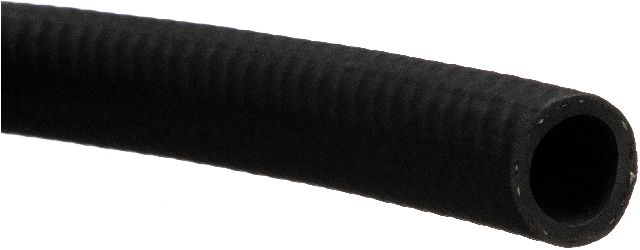
The hose is typically a molded, curved rubber component connecting the water pump housing to the engine's intake manifold. Inner diameter can vary based on the specific engine (e.g., 16mm or 25mm).
We Have This Part in Stock

The information in this article is provided for general reference and educational purposes only. Vehicle specifications, procedures, and part compatibility can vary by production date, trim level, and region. Always consult your vehicle's factory service manual and verify part numbers before purchasing or performing repairs. Safety-critical components such as airbags, seat belts, and braking systems should be installed by a qualified professional.