

A Guide to Spark Plugs for the 1975-1980 Dodge D300
Keep your classic Dodge one-ton running strong by choosing the right spark plugs for its engine.
- Stick with standard copper core spark plugs from a reputable brand like Champion or NGK for the best performance in a stock D300.
- Always verify your truck's engine size (e.g., 318, 360, 440) before purchasing to ensure you get the correct part number.
- Checking and setting the correct spark plug gap before installation is critical for a smooth-running engine.
- No recalls or technical service bulletins related to spark plugs were found for this vehicle.
Symptoms of Failing Spark Plugs
Worn-out spark plugs can cause a number of noticeable problems in your 1975-1980 Dodge D300. Because these trucks have simple ignition systems, they are very sensitive to the condition of the plugs.
- Rough Idle: The engine may shake or vibrate more than usual when stopped.
- Engine Misfires: You might feel a hesitation or stumble from the engine, especially when accelerating.
- Reduced Power: The truck may feel sluggish and have trouble hauling heavy loads.
- Poor Fuel Economy: Worn plugs lead to incomplete fuel combustion, meaning you'll be stopping for gas more often.
- Hard Starting: A weak spark makes it difficult for the engine to fire up, particularly when cold.
- Flooded Engine: If a plug fails to spark, unburnt fuel can accumulate in the cylinder, making the engine difficult to start and causing a strong gasoline smell.
Fouled Plugs Can Signal Other Problems
If you pull out your spark plugs and find them covered in black soot or oil, it's often a sign of another issue. A carburetor that is running too rich or worn piston rings causing oil to enter the combustion chamber can foul even brand-new plugs. Spark plug non-foulers are available and can be a temporary fix for minor oil consumption issues.
Choosing the Right Aftermarket Spark Plug
For a classic truck like the D300, you don't need the most expensive, high-tech spark plugs. The original ignition system was designed for standard copper core plugs, and they still work best. Champion was a common original equipment brand for Mopar vehicles of this era.
Brand Tiers & Materials
It's more important to use a quality brand and the correct plug for your specific engine (like the 318, 360, or 440 V8) than to buy the most expensive option.
- Standard (Recommended): Brands like Champion, Autolite, and NGK offer excellent performance for these trucks. Many Mopar enthusiasts prefer Champion for originality or NGK for their reputation of high quality and reliability. These are typically copper-core plugs, which are the best electrical conductors and work perfectly with the stock ignition system.
- Premium: Brands like Bosch and Denso also make excellent quality plugs. Performance-focused brands like Accel and MSD are available, but for a stock engine, they will offer similar performance to standard plugs.
- Iridium & Platinum: These plugs were designed for modern cars to last up to 100,000 miles. While they will work in your D300, they offer no real performance advantage over copper plugs and are not worth the extra cost unless you want a very long interval between changes.
Check Your Engine
Before buying, confirm which engine your D300 has. The most common V8 options were the 5.2L (318ci) and 5.9L (360ci), but the 225ci Slant-Six and 440ci V8 were also available. Each requires a different spark plug part number.
Cost of Aftermarket Spark Plugs (1975-1980 Dodge D300)
| Category | Price Range (Per Plug) | Notes |
|---|---|---|
| Standard Copper (Recommended) | $3.23 - $6.00 | Best value and performance for the stock ignition system. Includes brands like Champion, Autolite, and standard NGK. |
| Premium / Iridium | $7.00 - $25.00+ | Long-life plugs. Not necessary for performance but can extend change intervals. Includes NGK Iridium, Bosch, etc. |
| Performance | $8.00 - $81.18 | For modified engines with upgraded ignition systems. Includes brands like MSD and Accel. |
Frequently Asked Questions
How often should I change the spark plugs on my D300?
For standard copper spark plugs, a good interval is every 15,000 to 30,000 miles or every couple of years. Since these trucks often sit for periods, changing them regularly is good preventative maintenance to ensure easy starting and smooth running.
What is a spark plug gap and why is it important?
The gap is the small space between the center and ground electrodes at the tip of the plug. The voltage must jump this gap to create the spark. An incorrect gap can lead to a weak spark, misfires, and poor performance. Always check the gap with a feeler gauge and adjust it to your truck's specifications before installation.
Should I use copper, platinum, or iridium plugs in my classic Dodge?
For a stock 1975-1980 D300, copper plugs are the best choice. The original ignition system was not designed for the materials used in platinum or iridium plugs. Copper is the best conductor of electricity and will provide a strong, reliable spark with the stock coil.
Do I need special tools to change my spark plugs?
You will need a standard ratchet, a spark plug socket (which has a rubber insert to protect the plug's ceramic), and an extension. A spark plug gap gauge/tool is also essential for checking and setting the gap. For plugs that are hard to reach, a swivel or universal joint can be very helpful.
Technical Specifications
Engine configuration (Slant-Six or V8) and displacement (225, 318, 360, 440 ci) are required to select the correct spark plug. The most critical specification is the spark plug gap, which must be set according to the vehicle's service manual before installation.
We Have This Part in Stock
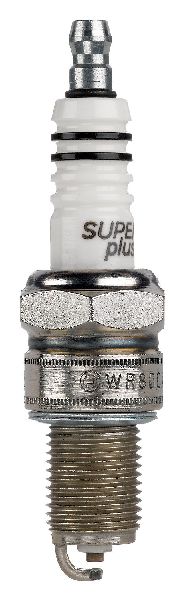
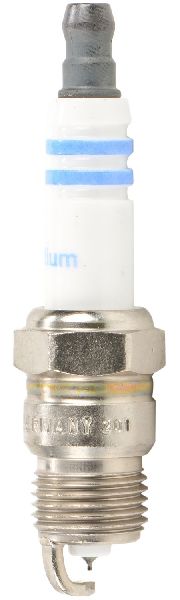

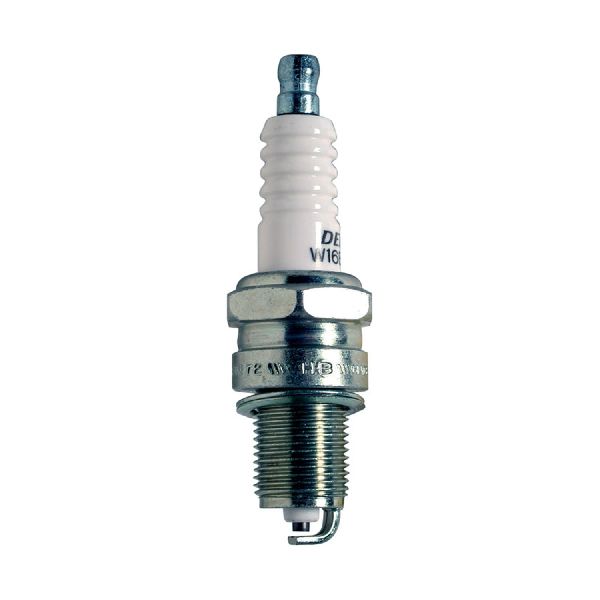
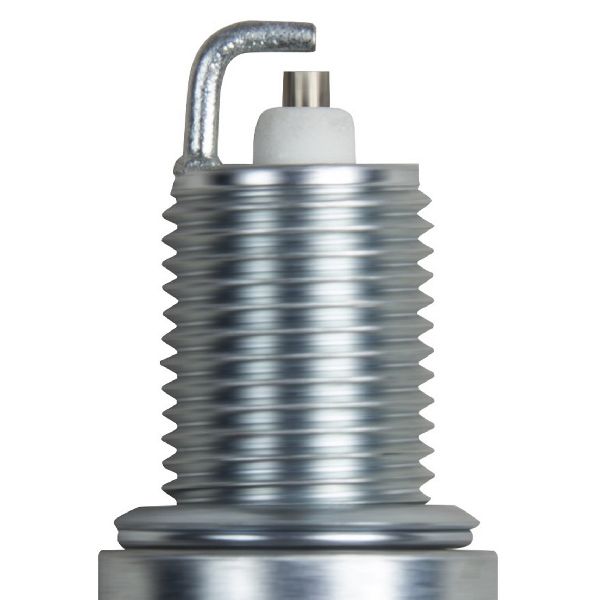

The information in this article is provided for general reference and educational purposes only. Vehicle specifications, procedures, and part compatibility can vary by production date, trim level, and region. Always consult your vehicle's factory service manual and verify part numbers before purchasing or performing repairs. Safety-critical components such as airbags, seat belts, and braking systems should be installed by a qualified professional.