

Your Comprehensive Guide to the 1975-1980 Dodge D300 Speedometer Cable
Solve your bouncing speedometer needle or dead gauge with the right replacement cable for your classic Dodge truck.
- A bouncing needle, noise, or a dead gauge are the main signs of a bad speedometer cable.
- Aftermarket cables are the only option for a new part; choose between budget-friendly direct fits (Pioneer, ATP) or premium cut-to-fit options (Lokar).
- Proper routing is critical for a long life; avoid sharp bends and keep the cable away from exhaust heat.
- Lubricating the new inner cable with grease before installation can prevent noise and premature failure.
Is Your Speedometer Acting Up?
If you own a 1975-1980 Dodge D300, you know that keeping these classic trucks on the road means dealing with aging parts. The speedometer cable is a common failure point. Because it's a mechanical part with a spinning core, it wears out over time. The most common problem is a wavering or bouncing speedometer needle. You might also hear a screeching or clicking noise from the dash or notice the speedometer doesn't work at all. These issues usually point to a cable that is kinked, unlubricated, or broken internally.
Diagnosing the Problem
Before you buy a new part, it's wise to confirm the cable is the issue. Disconnect the cable from the back of the speedometer. Have a helper watch the inner cable core while you slowly drive a few feet, or safely jack up the rear axle and spin a tire. If the inner core doesn't turn, the problem is the cable or the drive gear in the transmission. If the core does turn, the problem is likely the speedometer gauge (head unit) itself. You can also test the gauge by connecting the end of the cable to a drill and spinning it slowly.
Choosing the Right Aftermarket Cable
New original equipment (OEM) Mopar cables for this era are virtually impossible to find. The market for new parts consists entirely of aftermarket replacements. Quality and price can vary, so it's important to know what you're buying. The available brands generally fall into two categories.
1. Standard Replacement Cables
Brands: Pioneer Cable, ATP
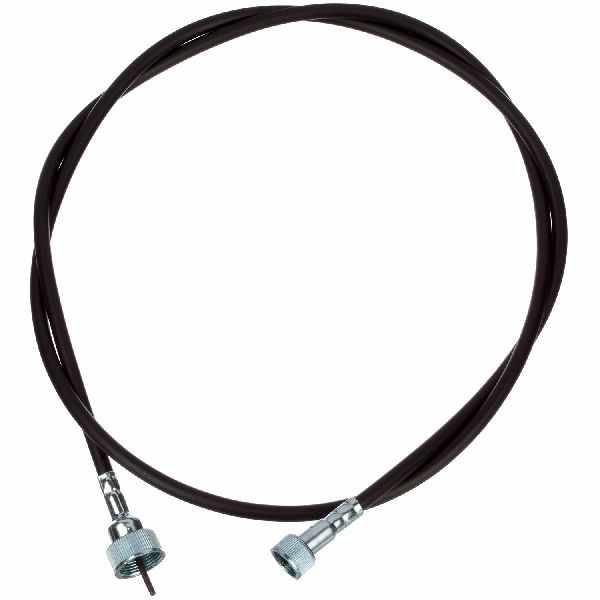
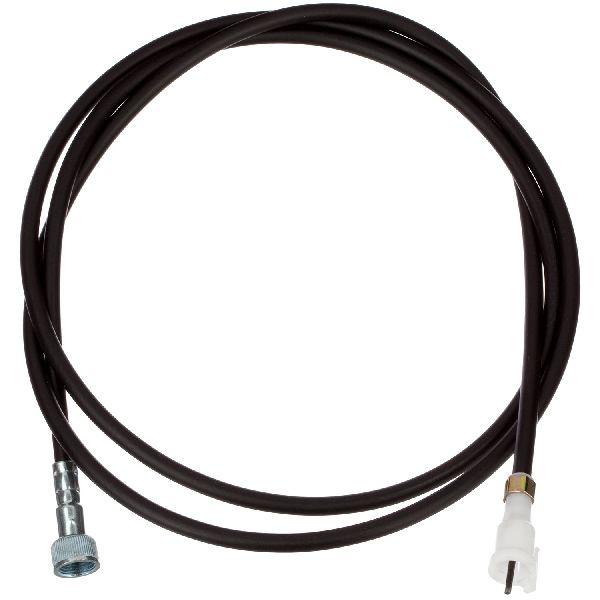
These cables are designed to be direct, budget-friendly replacements. They typically mimic the original's construction with a plastic or polymer outer housing and are available in specific lengths for your truck. While they get the job done, be aware that online forums contain mixed reviews for these brands across various classic vehicles. Some users have reported issues with premature failure, seizing, and poor fitment right out of the box. When buying a standard replacement, inspect it carefully before installation.
2. Premium / Universal Cut-to-Fit Cables
Brands: Lokar
For a more robust, long-term solution, brands like Lokar offer high-quality universal cables. These often feature a durable stainless steel braided housing and machined aluminum fittings. They are sold in a long length (e.g., 7 feet) that you cut to fit your specific application. This makes them a great choice for modified trucks with different transmissions or non-standard cable routing. While more expensive and requiring an extra installation step (cutting the cable and crimping the tip), they are known for their durability and smooth operation.
Aftermarket Speedometer Cable Cost
| Tier | Price Range | Notes |
|---|---|---|
| Standard Replacement (ATP, Pioneer) | $16.75 - $45.00 | Direct fit, basic construction. A functional, low-cost option. |
| Premium Cut-to-Fit (Lokar) | $100.00 - $150.74 | Requires cutting to length. Superior materials for durability. |
Installation Pro-Tip
Regardless of which brand you choose, proper installation is key. Before installing, pull the inner cable out of the housing and apply a light coat of white lithium grease or specific cable lubricant, leaving the top 6-12 inches clean to prevent grease from getting into the speedometer head. When routing the new cable, ensure it has gentle curves and is kept away from hot exhaust manifolds or sharp frame edges that could damage the housing.
Frequently Asked Questions (FAQ)
Is a bouncing speedometer needle always the cable?
Most of the time, yes. A bouncing needle is the classic sign of an old cable that is binding and releasing as it spins. It's caused by kinks in the housing or a lack of lubrication. However, it can sometimes indicate a problem within the speedometer head itself.
Are there any recalls for the 1975-1980 D300 speedometer cable?
No. Searches of the National Highway Traffic Safety Administration (NHTSA) database show no recalls or safety campaigns related to the speedometer or speedometer cable for this vehicle. This is a simple mechanical wear-and-tear part.
Do I need special tools for this job?
No, basic hand tools are all that's required. You'll need pliers to release the clip on the back of the gauge and a wrench or pliers to unscrew the fitting at the transmission. Accessing the back of the instrument cluster can be tight, but it is a straightforward job for a DIY mechanic.
Why is my new cable noisy or failing already?
This is almost always caused by improper routing. A cable that is bent too sharply will cause the inner core to bind and wear out quickly. Likewise, a cable routed too close to an exhaust pipe can melt, seizing the inner core. Ensure the cable follows a smooth path from the transmission to the firewall.
Technical Specifications
Common aftermarket cables are around 80 inches in length. The transmission connection is typically a 5/8-18 female threaded fitting, and the speedometer connection is a push-on style with a spring clip.
We Have This Part in Stock


The information in this article is provided for general reference and educational purposes only. Vehicle specifications, procedures, and part compatibility can vary by production date, trim level, and region. Always consult your vehicle's factory service manual and verify part numbers before purchasing or performing repairs. Safety-critical components such as airbags, seat belts, and braking systems should be installed by a qualified professional.