

Choosing the Right Spark Plugs for Your 1975-1980 Dodge W200
Keep your classic Dodge truck's engine firing on all cylinders with the correct set of plugs.
- Standard copper-core spark plugs from brands like Champion or Autolite are the recommended choice for the stock ignition system on a 1975-1980 W200.
- You must verify the correct spark plug part number for your specific engine (225, 318, 360, or 440) to ensure proper fit and function.
- Always check and adjust the spark plug gap before installation using a feeler gauge; do not assume they are correctly gapped out of the box.
- Replacing spark plugs is a simple, low-cost maintenance task that can significantly improve engine performance and reliability.
Symptoms of Failing Spark Plugs
Worn or fouled spark plugs can cause a number of noticeable issues in your W200. Because these plugs are a routine maintenance item, you should expect to replace them periodically. If you experience any of the following, it might be time for a new set:
- Rough Idling: The engine may shake or vibrate more than usual when the truck is stopped.
- Hard Starting: The engine cranks for a long time before it starts, or it may not start at all.
- Engine Misfires: You might feel a hesitation or stumble from the engine during acceleration. In some cases, you can hear a popping sound from the exhaust.
- Reduced Fuel Economy: If you notice you're filling up the gas tank more often, worn plugs could be a cause. Inefficient combustion wastes fuel.
- Poor Acceleration: The truck may feel sluggish or lack power when you press the gas pedal.
Choosing the Right Aftermarket Spark Plug
Your 1975-1980 Dodge W200 could have one of several engines, including the 225 Slant 6, 318 V8, 360 V8, or 440 V8. The most important step is to get the correct spark plug for your specific engine. Using the wrong plug can lead to poor performance or even engine damage.
Stick with Copper for Classic Engines
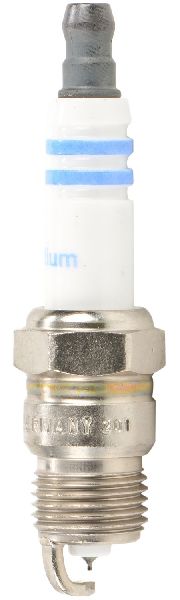
While modern vehicles benefit from long-life iridium and platinum plugs, the ignition systems in classic trucks like the 1975-1980 W200 were designed for standard copper-core spark plugs. These plugs are inexpensive and provide excellent performance for these applications. Fancy, expensive plugs are not necessary and may not provide any benefit.
Aftermarket Brand Tiers
For a part as essential as a spark plug, brand reputation matters. Based on owner feedback and mechanic consensus, here’s a breakdown of reliable brands for your Dodge truck:
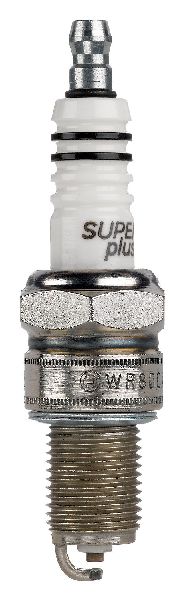
- OEM Equivalent / Highly Recommended: Champion was the original equipment plug for many Mopar vehicles of this era. Many owners find that simple Champion Copper Plus plugs work best and provide reliable performance. Autolite is another excellent choice, widely trusted for classic American engines.
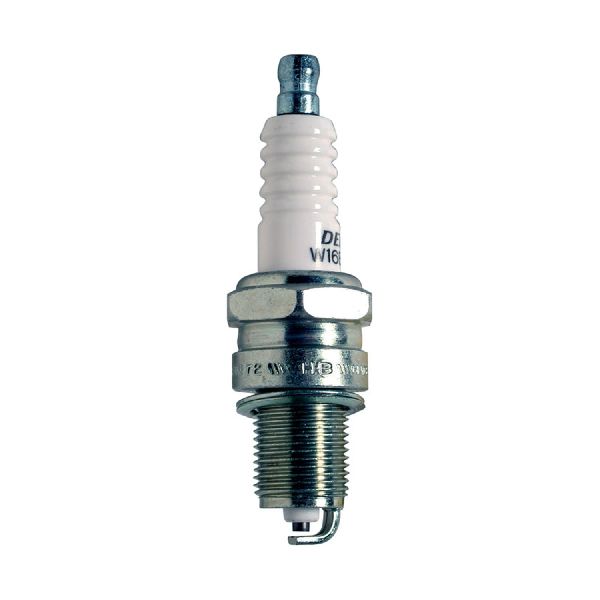
- Quality Alternatives: NGK and Denso are Japanese brands known for their high quality and excellent performance. Many Mopar enthusiasts use NGK plugs as a preferred alternative to Champion, citing great reliability. Just be sure to select the correct heat range for your engine.
- Performance Brands: Brands like Accel and MSD are geared more towards modified or high-performance engines. For a stock or lightly modified W200, they are not typically necessary but are a quality option.
- Budget-Friendly: While brands like Skyward are available at a lower price point, it is generally recommended to stick with a well-known manufacturer for a critical, yet inexpensive, part like a spark plug.
Check the Gap!
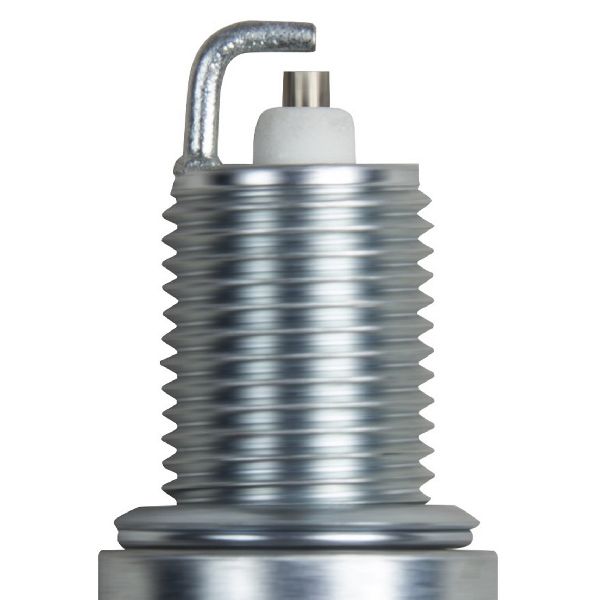
Even if plugs are advertised as "pre-gapped," you should always check the gap with a feeler gauge or gapping tool before installation. The correct spark plug gap is crucial for your W200's ignition system to work properly. The required gap can vary by engine and year, so consult a service manual for your truck's specific needs. A common gap for these engines is .035 inches.
Known Issues, Recalls, and Service Bulletins
No recalls or technical service bulletins (TSBs) specific to spark plugs were found for the 1975-1980 Dodge W200. This is expected for a vehicle of this age. Any issues you encounter will likely be due to normal wear and tear of these routine maintenance parts.
Cost of New Spark Plugs
The cost of replacing spark plugs can vary based on the brand you choose and whether you do the work yourself. Labor costs are generally low for this straightforward job.
| Part Type | Estimated Cost |
|---|---|
| New Aftermarket Spark Plugs (per plug) | $3.23 - $12.00 |
| Shop Labor | $75 - $150 |
Frequently Asked Questions (FAQ)
How often should I change the spark plugs on my W200?
For a 1975-1980 Dodge W200 using standard copper spark plugs, a good rule of thumb is to inspect them every 10,000 miles and plan to replace them every 15,000 to 20,000 miles, or as part of a regular tune-up. This ensures your classic truck continues to run reliably.
What is a spark plug's "heat range"?
The heat range refers to a spark plug's ability to transfer heat away from its firing tip. A "hotter" plug transfers heat more slowly, while a "colder" plug transfers it more quickly. It's critical to use the heat range specified for your engine to prevent fouling (from a plug that's too cold) or pre-ignition (from a plug that's too hot).
Do I need to use anti-seize on the spark plug threads?
This is a topic of debate. Some plug manufacturers, like NGK, apply a special plating to their threads that acts as an anti-seize and recommend not using additional compound. If you do use anti-seize, use it sparingly and reduce the torque applied to the plug by about 10-15% to avoid over-tightening and damaging the cylinder head.
What is a spark plug non-fouler and do I need one?
A spark plug non-fouler is an adapter that fits between the spark plug and the cylinder head. It's typically used on older, worn engines that burn oil. The non-fouler pulls the spark plug tip slightly out of the combustion chamber to prevent it from being coated in oil and "fouling out." If your engine is in good health, you do not need a non-fouler.
Technical Specifications
Spark plug selection is dependent on the engine installed in the truck. Engines available from 1975-1980 included the 225 cu in (3.7L) Slant 6, 318 cu in (5.2L) V8, 360 cu in (5.9L) V8, and 440 cu in (7.2L) V8. Always use a part-lookup tool to confirm the correct plug for your engine.
We Have This Part in Stock


The information in this article is provided for general reference and educational purposes only. Vehicle specifications, procedures, and part compatibility can vary by production date, trim level, and region. Always consult your vehicle's factory service manual and verify part numbers before purchasing or performing repairs. Safety-critical components such as airbags, seat belts, and braking systems should be installed by a qualified professional.